Walnuts
Home/Food & Drink/Best Superfoods in the World
Food & Drink · Best Superfoods in the World

Walnuts

The Brain Nut
#12
World Ranking
0%
of All Votes
0
Total Votes

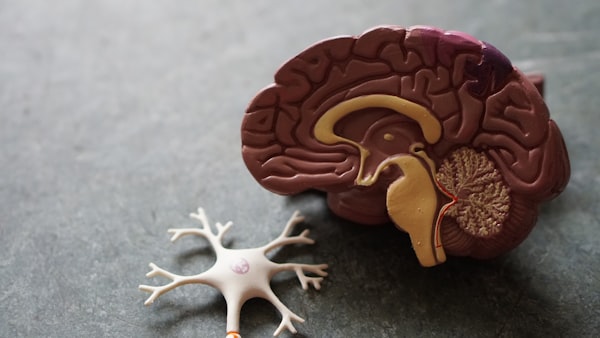
The only nut with significant omega-3 content. Shaped like a brain for a reason — proven to improve cognitive function and reduce depression.

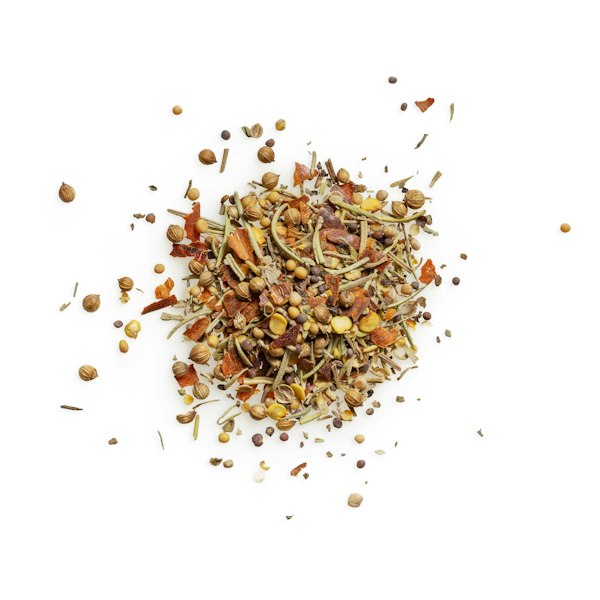
Turmeric history India
9,000
Years of History
History & Origins

Born in Central Asia and the Middle East (Persia)

Walnuts are among the oldest tree foods consumed by humans, with evidence of consumption dating back 9,000 years in Iraq and Turkey. They were cultivated throughout ancient Persia and spread along trade routes to Greece, Rome, and China. The Romans called the walnut 'Jupiter's acorn' (Juglans regia) and considered it food fit for the gods. English walnuts reached Britain and North America via trade.

Cultural Significance

In ancient Persia, walnuts were so valued they were used as currency in trade. The Greeks associated walnuts with Zeus and used them in religious ceremonies and wedding rituals — throwing walnuts at weddings symbolised fertility and prosperity. In China, walnuts were symbols of longevity and health; hand-carved walnut pairs (Wenwan walnuts) were rotated in the palms by scholars and emperors to improve brain function — a practice still followed today.

Science-Backed

Properties & Benefits

Cardiovascular Protection
ALA omega-3 reduces arterial inflammation, LDL oxidation, and platelet aggregation. L-arginine in walnuts increases nitric oxide production, improving arterial dilation and blood flow. Polyphenols prevent LDL oxidation — the step that makes LDL cholesterol actually dangerous.
Neuroprotective
Neuroprotective
DHA derived from walnut ALA maintains synaptic membrane fluidity, supports myelin sheath integrity, and reduces neuroinflammation. Walnut polyphenols additionally protect neurons from oxidative damage and improve mitochondrial function in brain cells.
Prebiotic
Prebiotic
Walnut fiber and polyphenols are selectively fermented by beneficial gut bacteria, producing butyrate and other short-chain fatty acids that reduce intestinal inflammation and strengthen the gut barrier.
Anti-Cancer
Anti-Cancer
Ellagitannins in walnuts are converted by gut bacteria to urolithins — compounds that inhibit cancer cell proliferation, reduce tumour angiogenesis, and induce apoptosis in prostate, breast, and colon cancer cell lines.
Sleep Support
Sleep Support
Walnuts are one of the few foods containing melatonin in bioavailable form. Consumption raises serum melatonin levels and is associated with improved sleep onset, duration, and quality in clinical studies.
Anti-Inflammatory
Anti-Inflammatory
The combination of ALA omega-3, polyphenols (ellagic acid, juglone), and vitamin E in walnuts reduces multiple inflammatory markers including CRP, IL-6, and TNF-α, with effects measurable after just 8 weeks of daily consumption.
From Farm to Jar

How Walnuts is Made

Juglans regia (English walnut) · Seed (nut kernel within the drupe fruit)
1
Cultivation
Walnut trees take 7-10 years to begin significant production but live for over 200 years, with trees producing up to 100kg of walnuts annually at peak productivity. They require deep, well-drained soil and cold winters for proper dormancy and nut set.
2
Harvesting
Walnuts are harvested in September-November when the green outer husk begins to split. Mechanical shakers attach to the trunk and shake nuts to the ground, where they are swept into rows and collected by harvesting machines.
3
Hulling and Washing
The green outer husk is removed within hours of harvest to prevent staining and decay. Nuts are washed, then sorted by size using mechanical graders. Damaged or discoloured nuts are removed.
4
Drying and Storage
Freshly harvested walnuts contain 20-25% moisture and must be dried to 8% for storage. They are dried in forced-air dryers at 43°C for 24-48 hours. Properly dried walnuts store for 12 months at room temperature, 2 years refrigerated, or 3 years frozen.
Turmeric production process
Nutrition Facts
Serving size: 28g walnuts (small handful — about 14 halves)
ALA Omega-3 (key compound)2.5g
Calories185 kcal
Carbohydrates3.9g
Protein4.3g
Fat18.5g
Fiber1.9g
Magnesium11% DV
Copper22% DV
Nutritional Profile

What's Inside?

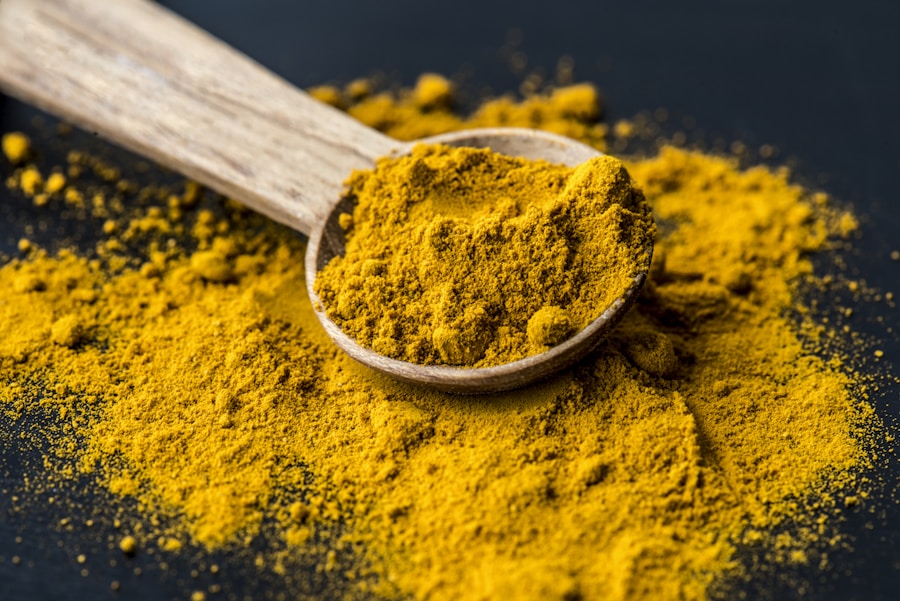
The key compound in turmeric is curcumin — not the vitamins or minerals. At 60-90mg per teaspoon, you need consistent daily use or supplements to reach therapeutic doses of 500-2000mg. Always combine with black pepper to activate absorption by up to 2,000%.
Key Compound
Curcumin
Therapeutic Dose
500-2000mg/day
Absorption Booster
Black Pepper
Increase
2,000%
In the Kitchen

Recipes with Walnuts

Walnut and Rosemary Baked Oats
30 min
Walnut and Rosemary Baked Oats
Modern Wellness · 4 servings
Ingredients
200g rolled oats
100g walnuts, roughly chopped
500ml milk or plant milk
2 eggs
3 tbsp maple syrup
1 tsp vanilla
1 tsp cinnamon
fresh rosemary, finely chopped
pinch of salt
Method
1
Mix all ingredients together and pour into a greased baking dish.
2
Bake at 180°C for 25-28 minutes until golden and set.
3
Serve warm with yogurt or fresh fruit.
💡 Baked oats keep refrigerated for 5 days and reheat in 2 minutes. The walnuts toast during baking, intensifying their flavour.
Walnut Pesto
10 min
Walnut Pesto
Liguria, Italy · 6 servings
Ingredients
100g walnuts
large bunch fresh basil
50g parmesan or nutritional yeast
2 garlic cloves
100ml extra virgin olive oil
juice of half a lemon
salt and pepper
Method
1
Toast walnuts in a dry pan for 3 minutes until fragrant.
2
Blend all ingredients except oil until roughly chopped.
3
With blender running, slowly add olive oil until smooth. Season generously.
💡 Walnut pesto is milder and more affordable than pine nut pesto. The omega-3s in walnuts make it nutritionally superior. Keeps refrigerated for 1 week under a layer of oil.
Spiced Candied Walnuts
15 min
Spiced Candied Walnuts
Middle East · 8 servings
Ingredients
200g walnut halves
3 tbsp honey
1 tsp cinnamon
half tsp cumin
quarter tsp cayenne
pinch of sea salt
Method
1
Warm honey in a pan over medium heat. Add spices and stir.
2
Add walnuts and stir continuously for 4-5 minutes until coated and caramelised.
3
Spread on baking paper to cool completely before serving.
💡 These keep for 2 weeks in an airtight jar and work on salads, cheese boards, porridge, or as a snack. The cayenne adds depth without obvious heat.
Honest Assessment

Pros & Cons

Advantages
Cardiovascular Triple Effect
Walnuts are one of the only foods proven to simultaneously reduce LDL cholesterol, raise HDL cholesterol, and lower triglycerides in randomised controlled trials. The combination of ALA omega-3, polyphenols, and arginine produces comprehensive cardiovascular protection.
Brain Health
DHA derived from walnut ALA maintains brain cell membrane integrity, reduces neuroinflammation, and supports neurotransmitter function. Multiple studies show regular walnut consumption improves cognitive performance and mood, and is associated with lower dementia risk.
Gut Microbiome Support
Walnuts are a prebiotic food — their fiber and polyphenols preferentially feed beneficial gut bacteria including Lactobacillus and Bifidobacterium. A clinical trial showed walnuts significantly increased microbiome diversity within 8 weeks.
Cancer Prevention
Urolithins produced when gut bacteria metabolise walnut polyphenols have shown strong anti-cancer activity in laboratory studies, particularly for prostate and breast cancer. Population studies link regular nut consumption to lower cancer mortality.
Disadvantages
ALA Conversion Inefficiency
ALA must be converted to EPA and DHA by the body at conversion rates of only 5-15%. For full omega-3 benefits — particularly brain health — walnuts alone are insufficient; marine or algae-based EPA/DHA is needed for vegetarians.
High Calorie Density
At 654 calories per 100g, walnuts are one of the most calorie-dense foods. A therapeutic daily dose of 28-42g provides 185-370 calories — significant for those managing caloric intake.
Phytic Acid
Like all nuts, walnuts contain phytic acid that reduces mineral absorption. Soaking walnuts overnight and rinsing removes 25-50% of phytic acid and improves digestibility significantly.
Head-to-Head

Walnuts vs Others

Walnuts
vs
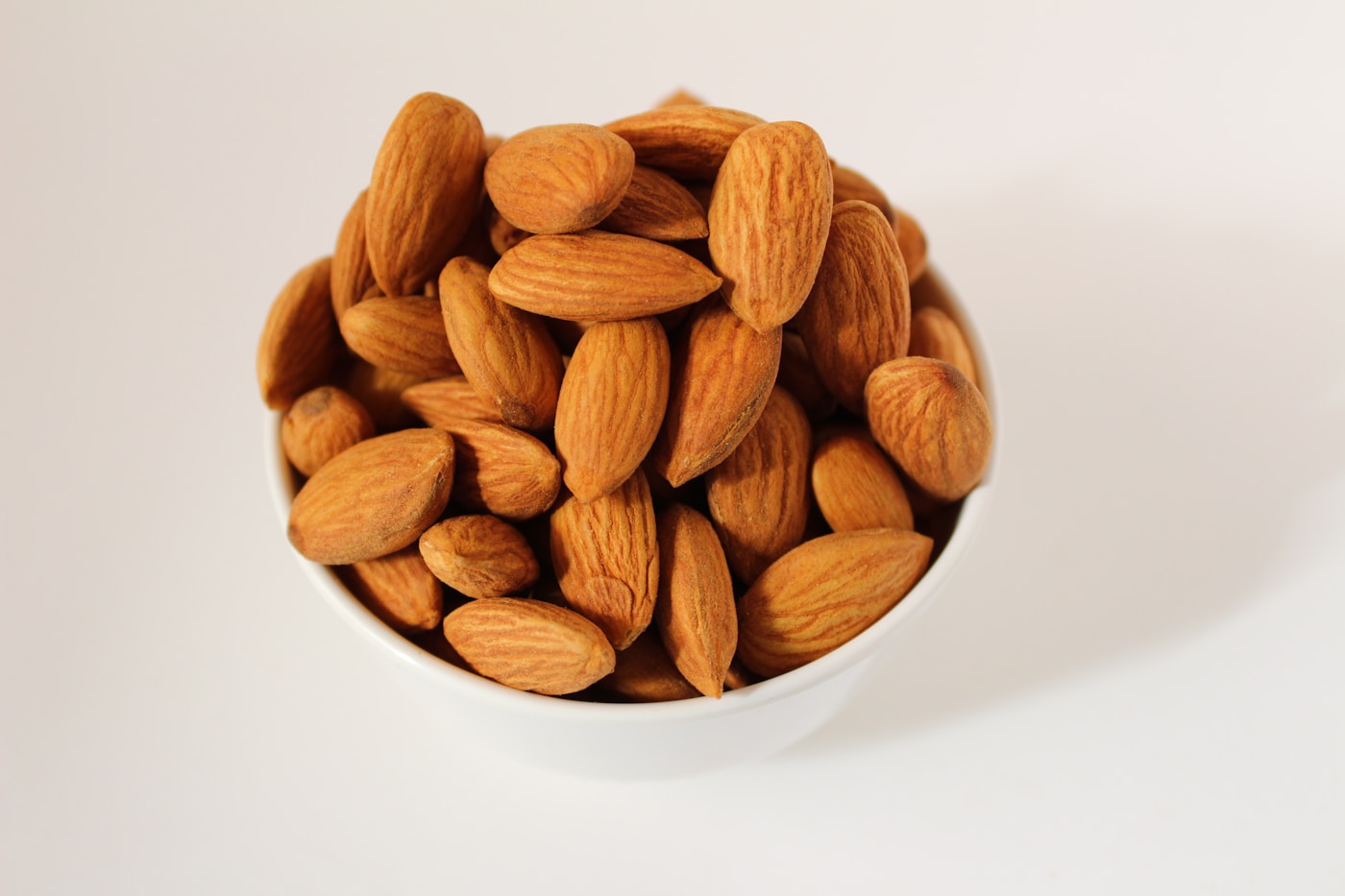
Almonds
Similarity
Both are nutrient-dense tree nuts with cardiovascular and metabolic benefits
Key Difference
Almonds provide more vitamin E, calcium, and protein; walnuts provide far more omega-3 ALA and superior brain health polyphenols
Choose walnuts for omega-3 and brain health; almonds for vitamin E and calcium. Mixing both provides the most complete nut nutrition.
Walnuts
vs
Salmon
Similarity
Both provide omega-3 fatty acids with brain and cardiovascular benefits
Key Difference
Salmon provides EPA and DHA directly; walnuts provide ALA requiring conversion. Salmon provides complete protein; walnuts provide fiber and plant polyphenols
Choose salmon for direct EPA/DHA bioavailability; walnuts for plant-based omega-3 and prebiotic benefits. Vegans should combine walnuts with algae-based omega-3 supplements.
Walnuts
vs
Chia Seeds
Similarity
Both are plant-based ALA omega-3 sources with cardiovascular benefits
Key Difference
Walnuts provide more polyphenols and prebiotic fiber; chia seeds provide more calcium and complete protein with fewer calories per omega-3 gram
Both provide ALA omega-3 with different supporting nutrients. Use both daily — walnuts as a snack and chia seeds added to meals — for complementary benefits.
Important

Warnings & Precautions

🤧
Tree Nut Allergy
Walnut allergy is one of the most common and severe tree nut allergies. Reactions can range from oral itching to anaphylaxis. Walnut allergy often cross-reacts with other tree nuts. Always check food labels carefully.
⚖️
Calorie Density
Walnuts contain 654 calories per 100g. While these are nutritionally valuable calories, portion control is important — a serving is 28g (a small handful). Mindless snacking from a large bag is easy and calorically significant.
💊
Blood Thinning
The omega-3 content of walnuts has mild blood-thinning effects. People scheduled for surgery or on anticoagulant medications should moderate intake and inform their healthcare provider.
Surprising Facts

Did You Know?

01
Walnuts are the only nut that contains significant amounts of ALA omega-3 fatty acids — a single 28g serving provides 2.5g of ALA, more than the daily recommended intake for omega-3 from plant sources.
02
The walnut's physical resemblance to a human brain — two wrinkled hemispheres within a hard shell — led ancient physicians under the Doctrine of Signatures to prescribe it for brain ailments. Modern neuroscience has confirmed they were right.
03
Walnuts are one of only three foods shown in randomised controlled trials to reduce LDL cholesterol, raise HDL cholesterol, AND lower triglycerides simultaneously — the three primary cardiovascular risk markers.
04
The skin of a walnut (the papery brown coating around the kernel) contains 90% of the nut's antioxidants and should never be removed. Blanched white walnuts have had most of their antioxidant value destroyed.
05
Walnuts contain melatonin in bioavailable form — one of the very few foods to do so. Regular walnut consumption has been shown to raise blood melatonin levels and improve sleep quality in clinical studies.
Explore More

Other Superfoods

Avocado
Avocado
2 votes
Turmeric
Turmeric
1 votes
Ginger
Ginger
1 votes
Garlic
Garlic
1 votes
Moringa
Moringa
0 votes
Chia Seeds
Chia Seeds
0 votes
Matcha
Matcha
0 votes
Kale
Kale
0 votes
Name Your Side

Is Walnuts the world's best superfood?

Vote head-to-head against the other 14 superfoods. Live rankings built by real votes from people worldwide.

Vote Now →
Home
Ask
Profile