Chia Seeds
Home/Food & Drink/Best Superfoods in the World
Food & Drink · Best Superfoods in the World

Chia Seeds

The Aztec Running Fuel
#6
World Ranking
0%
of All Votes
0
Total Votes

Tiny seeds loaded with omega-3 fatty acids, fiber, and protein. Used by Aztec warriors as a long-distance energy food.
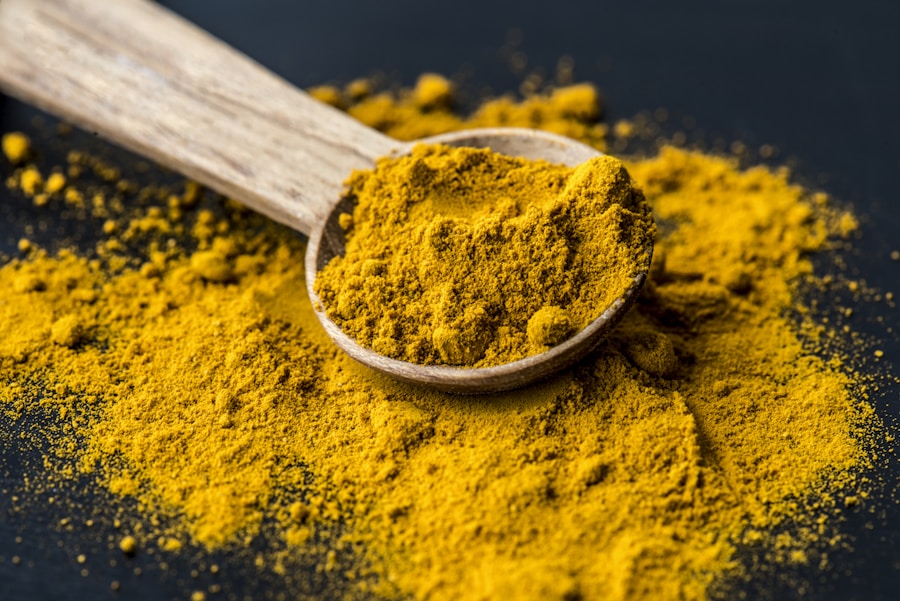
Turmeric history India
5,500
Years of History
History & Origins

Born in Mexico and Guatemala

Chia seeds have been cultivated in Mexico and Guatemala since at least 3500 BC. They were a staple crop of the Aztec and Maya civilisations, ranking alongside maize and beans as a dietary foundation. After the Spanish conquest, chia cultivation was suppressed for centuries before being rediscovered in the late 20th century.

Cultural Significance

The Aztecs used chia seeds as tribute payments and religious offerings to the god Tlaloc. Aztec warriors carried chia seed pouches on long campaigns, and Tarahumara long-distance runners of northern Mexico still use chia-water (iskiate) as their primary endurance fuel — a tradition unbroken for over 500 years.

Science-Backed

Properties & Benefits

Sustained Energy Release
The gel formed by chia seeds in the stomach slows carbohydrate digestion and glucose absorption, creating a slow, steady energy release without blood sugar spikes — ideal for endurance athletes.
Omega-3 Anti-Inflammatory
ALA omega-3 reduces levels of C-reactive protein and inflammatory cytokines, providing systemic anti-inflammatory effects that support cardiovascular health and joint function.
Prebiotic Fiber
Prebiotic Fiber
Chia's soluble fiber (primarily mucilage) is fermented by gut bacteria into short-chain fatty acids, feeding beneficial microbiome species and reducing intestinal inflammation.
Hydration Regulation
The hydrogel formed by chia seeds retains water and electrolytes in the body, prolonging hydration during exercise — the mechanism behind their use by long-distance runners.
Cardiovascular Support
Regular chia consumption reduces triglycerides, raises HDL cholesterol, lowers blood pressure, and reduces visceral fat in clinical studies.
Bone Mineralisation
Bone Mineralisation
The combination of calcium, phosphorus, magnesium, and protein in chia seeds supports bone formation and density — providing more calcium per gram than most dairy products.
From Farm to Jar

How Chia Seeds is Made

Salvia hispanica · Seeds
1
Cultivation
Chia plants grow in semi-arid conditions and reach 1 metre tall, producing purple or white flowers. They require minimal water and no pesticides, making them one of the most sustainable crops available.
2
Harvesting
Plants are harvested when the seed heads dry on the stalk, typically 4-5 months after planting. Seeds are threshed from the dried flower heads by machine or hand.
3
Cleaning
Harvested seeds are cleaned to remove chaff, plant material, and debris using air classification and screening. No chemical processing is required.
4
Packaging
Chia seeds require no further processing — they are packaged whole. For powder, seeds are cold-milled at low temperatures to preserve omega-3 content. No heat treatment is used.
Turmeric production process
Nutrition Facts
Serving size: 2 tablespoons chia seeds (28g)
ALA Omega-3 (key compound)5g
Calories138 kcal
Carbohydrates12g
Protein4.7g
Fat8.7g
Fiber9.8g
Calcium18% DV
Phosphorus27% DV
Nutritional Profile

What's Inside?

The key compound in turmeric is curcumin — not the vitamins or minerals. At 60-90mg per teaspoon, you need consistent daily use or supplements to reach therapeutic doses of 500-2000mg. Always combine with black pepper to activate absorption by up to 2,000%.
Key Compound
Curcumin
Therapeutic Dose
500-2000mg/day
Absorption Booster
Black Pepper
Increase
2,000%
In the Kitchen

Recipes with Chia Seeds

Classic Chia Pudding
5 min + 4 hours
Classic Chia Pudding
Modern Wellness · 2 servings
Ingredients
4 tbsp chia seeds
250ml coconut milk
1 tbsp maple syrup
1 tsp vanilla extract
fresh berries to serve
Method
1
Whisk chia seeds, coconut milk, maple syrup, and vanilla together.
2
Refrigerate for at least 4 hours or overnight, stirring once after 30 minutes.
3
Top with fresh berries and serve cold.
💡 The ratio is 1 part chia to 4 parts liquid. Adjust milk for thicker or thinner texture.
Iskiate (Aztec Runner Drink)
5 min
Iskiate (Aztec Runner Drink)
Mexico · 1 serving
Ingredients
1 tbsp chia seeds
250ml cold water
juice of 1 lime
1 tsp honey or agave
pinch of sea salt
Method
1
Combine all ingredients and stir well.
2
Let sit for 10 minutes until chia seeds swell and gel forms.
3
Stir again and drink immediately before exercise.
💡 This is the exact drink Tarahumara ultramarathon runners use before 100-mile races. The salt replenishes electrolytes.
Chia Egg Replacer
5 min
Chia Egg Replacer
Modern Vegan · 1 serving
Ingredients
1 tbsp chia seeds
3 tbsp water
Method
1
Mix chia seeds and water in a small bowl.
2
Let sit for 5 minutes until gel forms.
3
Use as a direct replacement for one egg in baking recipes.
💡 Works perfectly in muffins, pancakes, and cookies. The gel binds ingredients exactly as egg does.
Honest Assessment

Pros & Cons

Advantages
Omega-3 Powerhouse
Two tablespoons provide 5g of ALA omega-3 — more per gram than salmon. While ALA conversion to EPA/DHA is limited, it still provides significant anti-inflammatory and cardiovascular benefits.
Exceptional Fiber Content
At 10g of fiber per 28g serving, chia seeds are one of the densest fiber sources available. The soluble fiber feeds gut bacteria and creates satiety; insoluble fiber supports bowel regularity.
Complete Protein
Chia seeds contain all nine essential amino acids, making them one of the rare plant-based complete proteins — particularly valuable for vegetarians and vegans.
Bone Health
Two tablespoons provide 18% of daily calcium, 27% of phosphorus, and significant magnesium — three minerals essential for bone density, making chia seeds superior to dairy per calorie for bone support.
Disadvantages
Low EPA/DHA Conversion
ALA omega-3 must be converted to EPA and DHA by the body, with conversion rates of only 5-15%. For brain and cardiovascular benefits requiring EPA/DHA, marine sources or algae supplements are more effective.
Calorie Dense
At 138 calories per 2 tablespoons, chia seeds are calorie-dense. They are easy to over-consume when added to multiple meals, which can add significant calories without awareness.
Phytic Acid Content
Like all seeds, chia contains phytic acid which can reduce absorption of iron and zinc. Soaking chia seeds reduces phytic acid content and improves mineral bioavailability.
Head-to-Head

Chia Seeds vs Others

Chia Seeds
vs
Flaxseeds
Similarity
Both are rich in ALA omega-3, fiber, and lignans with similar cardiovascular benefits
Key Difference
Flaxseeds must be ground for full absorption; chia seeds are fully bioavailable whole. Flaxseeds have more lignans; chia has more calcium and complete protein
Choose chia for convenience and complete nutrition; flaxseeds for higher lignan content and oestrogen-balancing effects
Chia Seeds
vs
Hemp Seeds
Similarity
Both are complete plant proteins with healthy fat profiles
Key Difference
Hemp seeds provide more protein and better omega-6 to omega-3 ratio; chia provides more fiber and calcium
Choose chia for fiber and omega-3; hemp seeds for protein content and easier digestion
Chia Seeds
vs
Quinoa
Similarity
Both are complete plant proteins popular in health food
Key Difference
Quinoa is a grain providing more protein per serving; chia seeds provide more fiber and omega-3 with fewer carbohydrates
Choose quinoa as a meal base for protein; chia seeds as a daily supplement added to existing meals
Important

Warnings & Precautions

💧
Hydration Essential
Chia seeds absorb enormous amounts of liquid. Always consume with plenty of water — dry chia seeds without adequate hydration can cause digestive discomfort or in rare cases oesophageal obstruction.
💊
Blood Thinners
The high omega-3 content of chia seeds has mild blood-thinning effects. People on anticoagulant medications should consult their doctor before consuming large amounts daily.
⚠️
Digestive Adjustment
Starting with large amounts can cause bloating and gas in people unused to high-fiber foods. Begin with 1 teaspoon daily and increase gradually over 2 weeks.
Surprising Facts

Did You Know?

01
Chia seeds were the primary fuel of Aztec warriors and runners — the word 'chia' means 'strength' in the Mayan language, and a single tablespoon was believed sufficient to sustain a warrior for 24 hours.
02
Chia seeds can absorb up to 12 times their weight in water, forming a gel that slows digestion and creates sustained energy release — making them one of the most effective natural endurance foods.
03
Chia seeds contain more omega-3 fatty acids per gram than salmon, making them the richest plant-based source of omega-3 ALA in the world.
04
Unlike flaxseeds, chia seeds do not need to be ground to be absorbed — their omega-3s and nutrients are fully bioavailable whole, making them the most convenient omega-3 source available.
05
The chia plant (Salvia hispanica) belongs to the mint family and produces tiny seeds that were so valued by the Aztecs they were used as currency and offered to gods in religious ceremonies.
Explore More

Other Superfoods

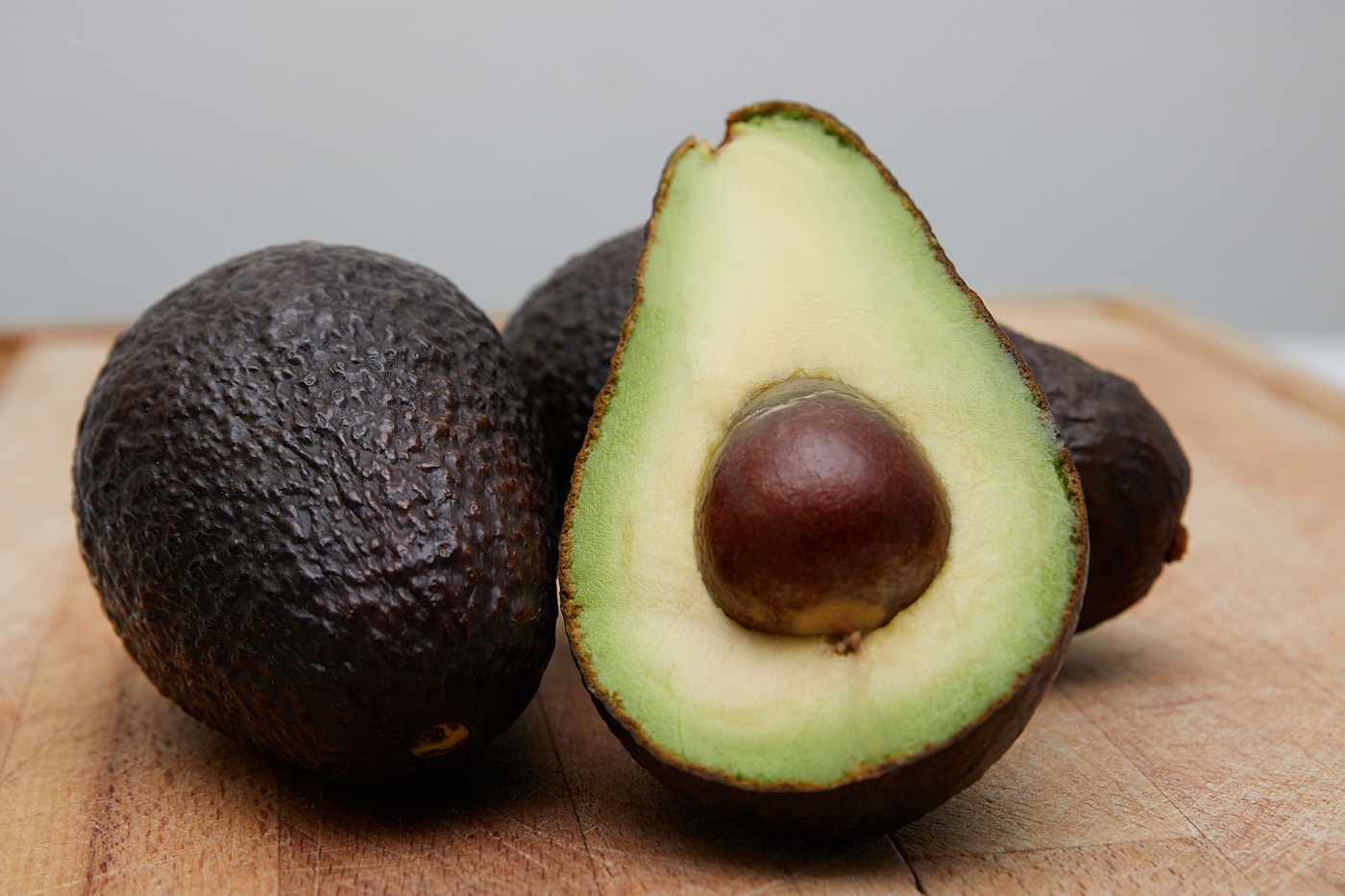
Avocado
Avocado
2 votes
Turmeric
Turmeric
1 votes
Ginger
Ginger
1 votes
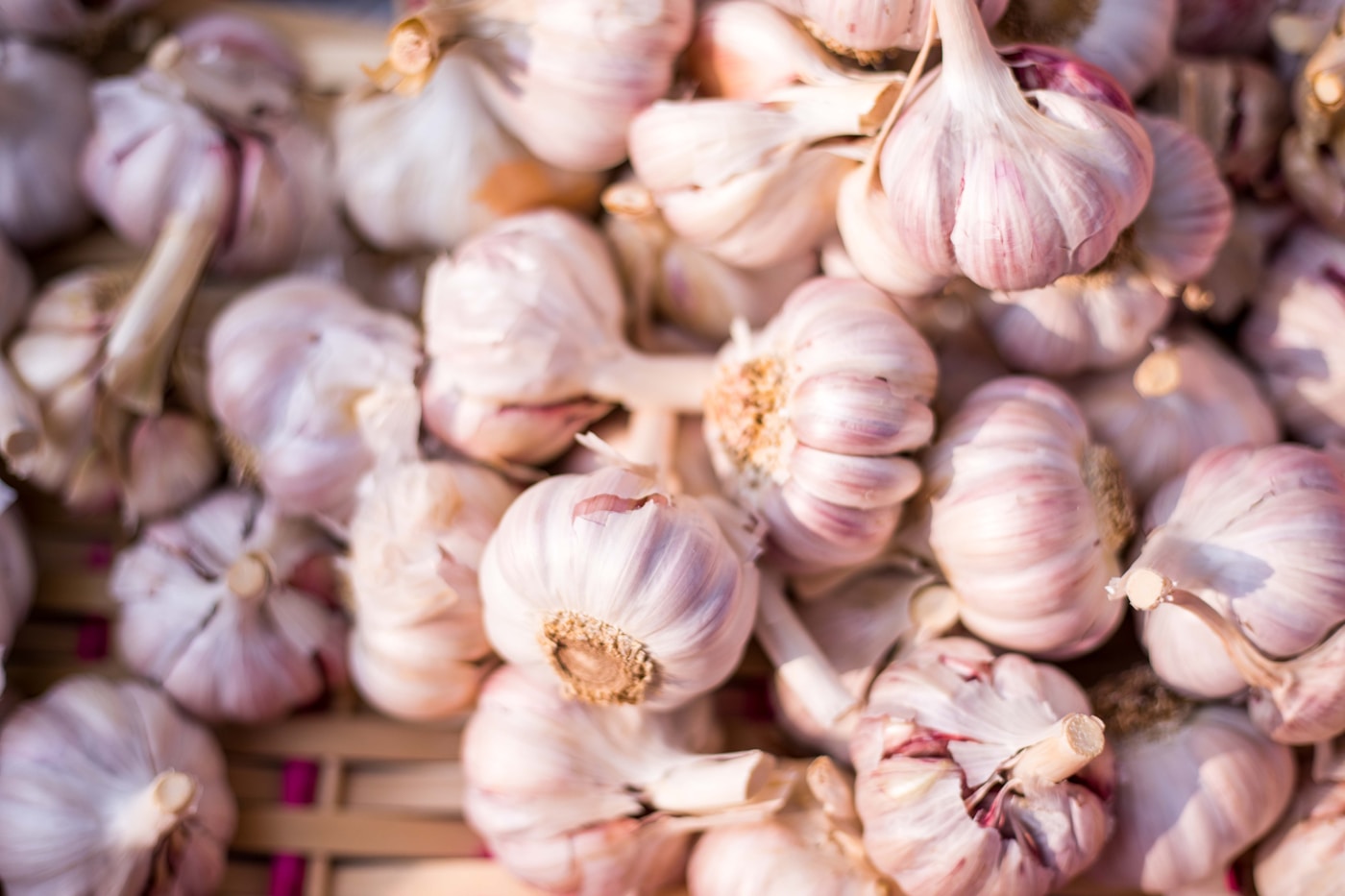
Garlic
Garlic
1 votes
Moringa
Moringa
0 votes
Matcha
Matcha
0 votes
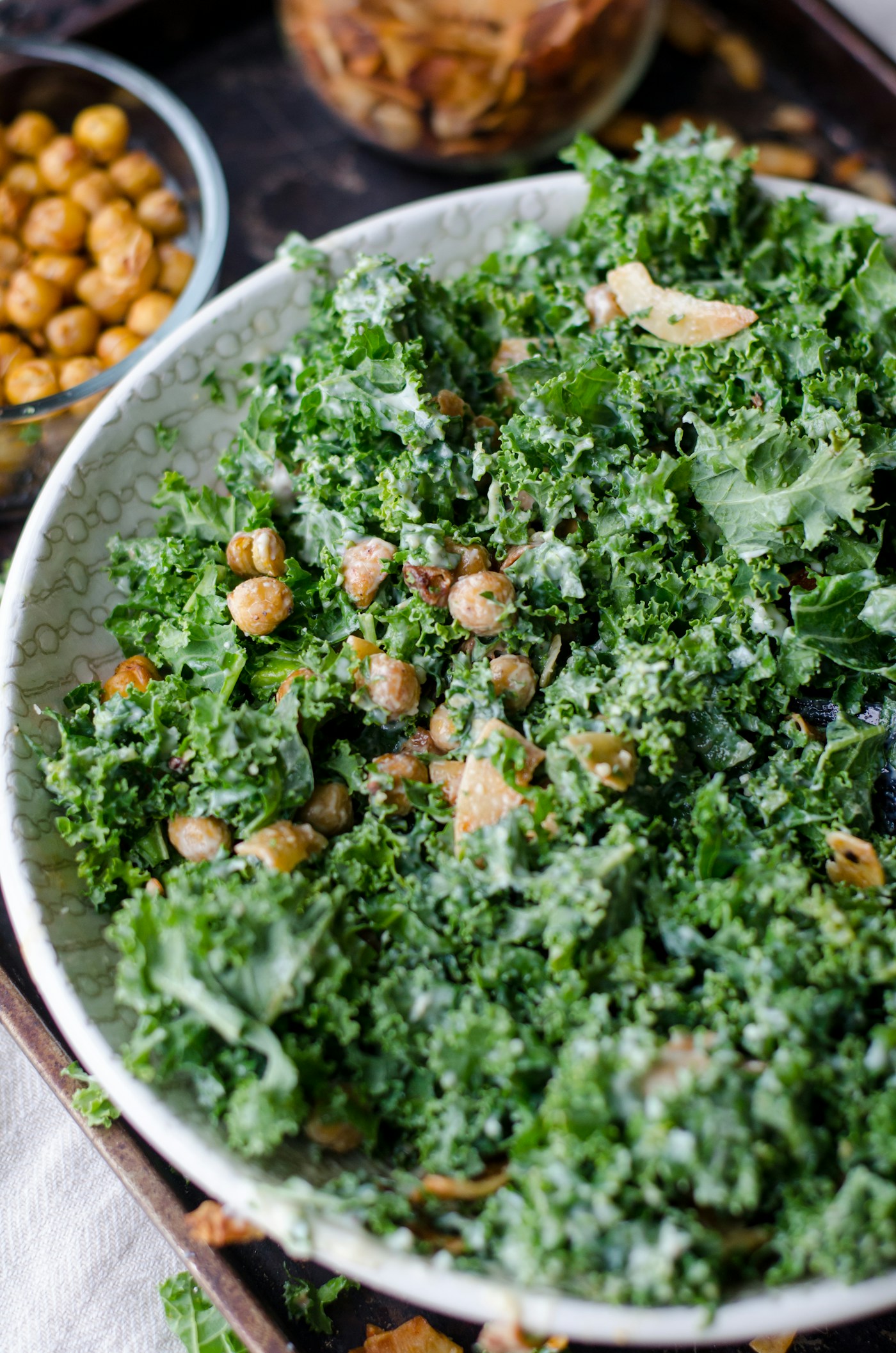
Kale
Kale
0 votes
Açaí
Açaí
0 votes
Name Your Side

Is Chia Seeds the world's best superfood?

Vote head-to-head against the other 14 superfoods. Live rankings built by real votes from people worldwide.

Vote Now →
Home
Ask
Profile