Moringa
Home/Food & Drink/Best Superfoods in the World
Food & Drink · Best Superfoods in the World

Moringa

The Miracle Tree
#5
World Ranking
0%
of All Votes
0
Total Votes

Called the miracle tree. Contains 7x more vitamin C than oranges, 4x more calcium than milk, and 3x more potassium than bananas.
Turmeric history India
4,000
Years of History
History & Origins

Born in Sub-Himalayan foothills of India, Pakistan, and Nepal

Moringa has been used in Ayurvedic medicine for at least 4,000 years, with ancient Sanskrit texts describing it as a remedy for over 300 diseases. It spread throughout tropical Asia and Africa along ancient trade routes and was adopted by the Romans and Greeks as a food preservative and medicine. Today it is cultivated across 80 tropical and subtropical countries as a nutritional intervention crop.

Cultural Significance

In India, moringa (drumstick tree) is an essential ingredient in South Indian sambar and curries — its pods are eaten as a vegetable and its leaves as a daily green. In the Philippines, moringa (malunggay) is added to soups and considered essential for nursing mothers. In East Africa, moringa leaf powder is distributed by UNICEF and WHO as a malnutrition treatment for children and pregnant women.

Science-Backed

Properties & Benefits

Nutritional Completeness
Moringa is the only plant food to provide all essential amino acids, vitamins A, C, E, K, and B-complex, and minerals calcium, iron, potassium, and magnesium in meaningful amounts in a single food.
Anti-Diabetic
Anti-Diabetic
Chlorogenic acid inhibits alpha-glucosidase and alpha-amylase enzymes that digest carbohydrates, reducing post-meal glucose spikes. Isothiocyanates improve insulin receptor sensitivity at the cellular level.
Anti-Inflammatory
Anti-Inflammatory
Isothiocyanates (particularly moringin) inhibit NF-κB inflammatory signalling, while quercetin suppresses COX-2 enzyme activity — a dual anti-inflammatory mechanism targeting different pathways simultaneously.
Hepatoprotective
Hepatoprotective
Multiple animal studies show moringa extracts protect liver cells from toxic damage, reduce liver fibrosis markers, and normalise elevated liver enzymes. The mechanism involves antioxidant protection of hepatocytes.
Antimicrobial
Antimicrobial
Moringa extracts show activity against E. coli, Salmonella, Staphylococcus aureus, and Helicobacter pylori in laboratory studies. Moringa seed extracts have been shown to reduce waterborne bacterial counts by up to 99.9%.
Neuroprotective
Neuroprotective
Moringinine and other alkaloids in moringa cross the blood-brain barrier and show neuroprotective effects in animal models of Alzheimer's and Parkinson's disease, reducing neuroinflammation and oxidative damage to neurons.
From Farm to Jar

How Moringa is Made

Moringa oleifera · Leaves (primarily), also pods, seeds, and flowers
1
Cultivation
Moringa grows in tropical and subtropical climates and reaches full leaf production within 6-12 months of planting. Trees are typically cut back (coppiced) annually to encourage dense leaf production and maintain harvestable height.
2
Leaf Harvesting
Leaves are harvested by hand, stripping them from branches. Young leaves and stems are preferred for fresh use; mature leaves are harvested for drying. A single tree can produce 400-600g of dried leaf powder annually.
3
Drying
For powder production, leaves are shade-dried at temperatures below 40°C to preserve heat-sensitive vitamins and enzymes. Sun drying degrades vitamin C and chlorophyll. The drying process takes 3-5 days in shade with good air circulation.
4
Milling
Dried leaves are ground to a fine powder in mills, then sieved to remove stems and achieve uniform particle size. The powder is immediately vacuum-sealed or nitrogen-flushed to prevent oxidation, which degrades nutrients rapidly.
Turmeric production process
Nutrition Facts
Serving size: 10g moringa leaf powder
Isothiocyanates (key compound)~30mg
Calories26 kcal
Carbohydrates3.7g
Protein2.7g
Fat0.5g
Fiber2g
Vitamin A47% DV
Iron17% DV
Nutritional Profile

What's Inside?

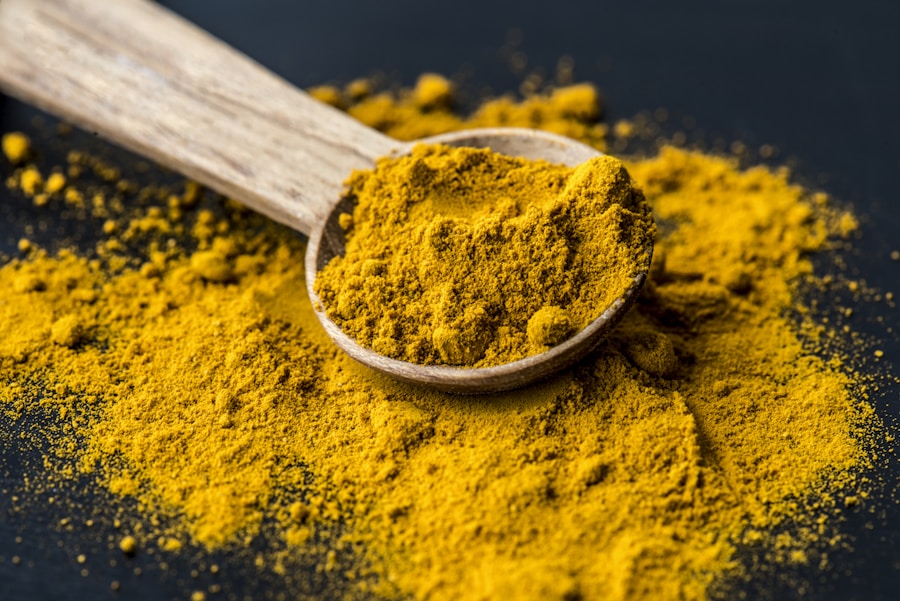
The key compound in turmeric is curcumin — not the vitamins or minerals. At 60-90mg per teaspoon, you need consistent daily use or supplements to reach therapeutic doses of 500-2000mg. Always combine with black pepper to activate absorption by up to 2,000%.
Key Compound
Curcumin
Therapeutic Dose
500-2000mg/day
Absorption Booster
Black Pepper
Increase
2,000%
In the Kitchen

Recipes with Moringa

Moringa Green Smoothie
5 min
Moringa Green Smoothie
Modern Wellness · 1 serving
Ingredients
1 tsp moringa powder
1 banana
150ml coconut milk
1 tbsp honey
juice of half a lime
handful of spinach
Method
1
Blend all ingredients until completely smooth.
2
Taste and adjust sweetness — moringa has a grassy, slightly bitter flavour.
3
Serve immediately over ice.
💡 Start with half a teaspoon of moringa powder if new to it. The flavour is strong and earthy — banana and honey balance it well.
South Indian Drumstick Sambar
40 min
South Indian Drumstick Sambar
South India · 4 servings
Ingredients
200g moringa pods (drumsticks), cut into 5cm pieces
150g red lentils (masoor dal)
1 onion, diced
2 tomatoes, chopped
2 tbsp sambar powder
1 tsp turmeric
1 tbsp tamarind paste
2 tbsp coconut oil
mustard seeds, curry leaves for tempering
Method
1
Cook lentils in 600ml water with turmeric until soft, about 20 minutes.
2
Fry mustard seeds and curry leaves in oil until popping. Add onion and cook until golden.
3
Add tomatoes, sambar powder, tamarind, and moringa pods. Cook 10 minutes, then combine with lentils and simmer 10 more minutes.
💡 Moringa pods must be scraped — the outer skin is tough and fibrous. Only the inner flesh and seeds are eaten.
Moringa Golden Milk
5 min
Moringa Golden Milk
India / Modern · 1 serving
Ingredients
1 tsp moringa powder
half tsp turmeric
quarter tsp ginger powder
250ml warm milk or oat milk
1 tsp honey
pinch of black pepper
Method
1
Warm milk gently — do not boil.
2
Whisk in moringa, turmeric, ginger, and black pepper.
3
Sweeten with honey and drink warm before bed.
💡 This combines moringa's nutrients with turmeric's anti-inflammatory curcumin and ginger's digestive benefits into a single nightly drink.
Honest Assessment

Pros & Cons

Advantages
Extraordinary Nutrient Density
Moringa leaf powder is the most nutrient-dense plant food ever measured, providing significant percentages of daily vitamins A, C, E, K, B6, and minerals including iron, calcium, and potassium in a single teaspoon.
Complete Plant Protein
Moringa leaves contain all nine essential amino acids, making it one of the rare complete plant proteins. At 27% protein by dry weight, it has a higher protein percentage than most legumes.
Anti-Inflammatory and Antioxidant
Moringa contains quercetin, chlorogenic acid, and isothiocyanates — three distinct classes of antioxidants and anti-inflammatory compounds that work synergistically to reduce oxidative stress and chronic inflammation.
Blood Sugar Regulation
Chlorogenic acid in moringa inhibits glucose absorption from the gut and improves insulin sensitivity. Multiple clinical trials show moringa leaf powder reduces fasting blood sugar by 13-28% in diabetic patients.
Disadvantages
Strong Flavour
Moringa powder has a pronounced earthy, grassy, slightly bitter flavour that many people find challenging. It can overpower smoothies and foods when used in excess and requires careful flavour pairing.
Pregnancy Contraindication
The roots, bark, and flowers contain compounds that stimulate uterine contractions. While leaves are generally safer, the supplement form is not recommended during pregnancy due to insufficient safety data.
Limited Clinical Research
Despite thousands of years of traditional use and promising laboratory studies, large-scale clinical trials in humans remain limited. Many claimed benefits are based on animal studies or small human trials.
Head-to-Head

Moringa vs Others

Moringa
vs
Spirulina
Similarity
Both are extraordinarily nutrient-dense green superfoods used as daily powder supplements
Key Difference
Spirulina provides more protein and B12; moringa provides more vitamins A, C, K, and a broader mineral profile
Choose spirulina for protein and B12 supplementation; moringa for broader vitamin and mineral coverage. Together they provide the most complete plant-based nutritional supplement available.
Moringa
vs
Kale
Similarity
Both are among the most nutrient-dense green foods available
Key Difference
Kale provides more vitamin K and glucosinolates for cancer prevention; moringa provides more protein, iron, and total vitamin density
Choose kale for cancer prevention and vitamin K; moringa for protein, iron, and comprehensive micronutrient density
Moringa
vs
Matcha
Similarity
Both are green powder supplements with antioxidant and anti-inflammatory properties
Key Difference
Matcha provides caffeine, L-theanine, and EGCG for cognitive performance; moringa provides comprehensive nutrition without stimulants
Choose matcha for energy and cognitive focus; moringa for nutritional supplementation without caffeine. Both can be used daily for different purposes.
Important

Warnings & Precautions

🤰
Pregnancy Warning
Moringa root, bark, and flowers contain compounds that can stimulate uterine contractions and must be strictly avoided during pregnancy. Moringa leaves in culinary amounts are generally considered safe, but supplements should be avoided.
💊
Thyroid Medication
Moringa may enhance the effects of thyroid hormone medications. People on levothyroxine or other thyroid treatments should consult their doctor before regular supplementation.
⚠️
Laxative Effect
Large amounts of moringa can have a significant laxative effect, particularly the roots and bark. Leaf powder in doses above 3-4g daily may cause loose stools in sensitive individuals.
Surprising Facts

Did You Know?

01
Moringa leaves contain 7 times more vitamin C than oranges, 10 times more vitamin A than carrots, 17 times more calcium than milk, 9 times more protein than yogurt, and 15 times more potassium than bananas — making it the most nutrient-dense plant food ever documented.
02
Every part of the moringa tree is edible and useful: leaves, pods, seeds, flowers, bark, and roots are all consumed as food or used medicinally across Asia and Africa, earning it the name 'the tree that never lies'.
03
Moringa seeds can purify water — the crushed seeds release natural polyelectrolytes that cause suspended particles and bacteria to clump and settle, making them one of the oldest natural water purification methods known.
04
The moringa tree can grow 3 metres in a single year and survives drought, poor soil, and neglect that would kill most plants. In sub-Saharan Africa and South Asia, it is cultivated specifically to combat malnutrition.
05
Moringa oil (ben oil) pressed from the seeds is so stable it does not go rancid for up to 5 years and was used by ancient Egyptians to preserve perfumes and protect skin — it was found in Egyptian tombs over 3,000 years old.
Explore More

Other Superfoods

Avocado
Avocado
2 votes
Turmeric
Turmeric
1 votes
Ginger
Ginger
1 votes
Garlic
Garlic
1 votes
Chia Seeds
Chia Seeds
0 votes
Matcha
Matcha
0 votes
Kale
Kale
0 votes
Açaí
Açaí
0 votes
Name Your Side

Is Moringa the world's best superfood?

Vote head-to-head against the other 14 superfoods. Live rankings built by real votes from people worldwide.

Vote Now →
Home
Ask
Profile