Matcha
Home/Food & Drink/Best Superfoods in the World
Food & Drink · Best Superfoods in the World

Matcha

Zen Energy in a Cup
#7
World Ranking
0%
of All Votes
0
Total Votes

Concentrated green tea powder with 137x more antioxidants than regular green tea. Provides calm, sustained energy without jitters.
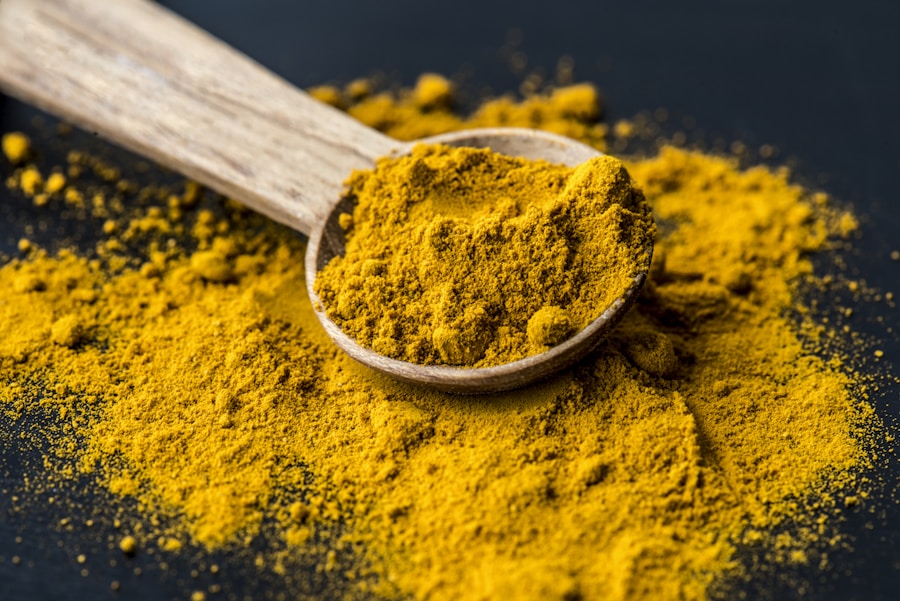
Turmeric history India
1,200
Years of History
History & Origins

Born in China (Tang Dynasty), perfected in Japan

Matcha originated in Tang Dynasty China around 800 AD, where tea leaves were steamed and ground into powder. The practice was brought to Japan by the Buddhist monk Eisai in 1191, where it was refined over centuries into the ceremonial tradition still practised today. Japan's unique terroir and cultivation methods produced a matcha far superior to its Chinese origins.

Cultural Significance

The Japanese tea ceremony (Chado or the Way of Tea) built an entire philosophy around matcha preparation and consumption — incorporating principles of harmony, respect, purity, and tranquillity. Matcha was the exclusive domain of samurai and Zen monks for centuries before becoming accessible to all. Today Japan's Uji region remains the world standard for ceremonial grade matcha.

Science-Backed

Properties & Benefits

Cognitive Enhancement
The synergistic combination of caffeine and L-theanine produces measurable improvements in attention, working memory, and processing speed in multiple randomised controlled trials — superior to either compound alone.
EGCG Antioxidant Activity
EGCG is the most potent and extensively studied catechin in nutritional science. It neutralises reactive oxygen species, inhibits oxidative damage to DNA, and activates the body's own antioxidant enzyme systems.
Thermogenic Fat Oxidation
Matcha synergistically combines caffeine and EGCG to increase fat oxidation during exercise by up to 17% and resting metabolic rate by 4-17%, making it one of the few foods with genuine evidence for body composition effects.
Cardiovascular Protection
Regular green tea and matcha consumption is associated with 31% lower cardiovascular disease risk in large population studies. EGCG improves endothelial function, reduces LDL oxidation, and lowers blood pressure.
Cancer Prevention
Cancer Prevention
EGCG inhibits cancer cell proliferation, induces apoptosis, and inhibits tumour angiogenesis across multiple cancer types. Population studies in Japan, where matcha consumption is highest, show significantly lower rates of several cancers.
Blood Sugar Regulation
Matcha polyphenols inhibit alpha-glucosidase enzymes that digest carbohydrates, reducing post-meal blood sugar spikes by 30-40% when consumed with carbohydrate-rich meals.
From Farm to Jar

How Matcha is Made

Camellia sinensis (tea plant) · Young leaves (tencha), stone-ground to powder
1
Shade Growing
3-4 weeks before harvest, tea plants are covered with bamboo or fabric screens blocking 90% of sunlight. This stress response increases chlorophyll (creating vivid green colour), L-theanine, and EGCG content dramatically.
2
Hand Harvesting
Only the youngest, most tender leaves (ichibancha — first flush) are hand-picked in May. Each picker harvests approximately 4kg of leaves per day, which produces just 400g of finished matcha.
3
Steaming and Drying
Leaves are steamed within hours of harvest to halt oxidation (unlike black tea), preserving the green colour and catechin content. They are then air-dried to create tencha — the unground precursor to matcha.
4
Stone Grinding
Dried tencha leaves are slowly ground between granite stone mills at low speed to prevent heat generation. Each mill produces just 30-40g of matcha per hour. Heat would degrade the delicate catechins and L-theanine.
Turmeric production process
Nutrition Facts
Serving size: 1g matcha powder (1 serving)
EGCG Catechins (key compound)105mg
Calories3 kcal
Carbohydrates0.5g
Protein0.3g
Fat0g
Fiber0.3g
Vitamin C3% DV
L-Theanine~20mg
Nutritional Profile

What's Inside?

The key compound in turmeric is curcumin — not the vitamins or minerals. At 60-90mg per teaspoon, you need consistent daily use or supplements to reach therapeutic doses of 500-2000mg. Always combine with black pepper to activate absorption by up to 2,000%.
Key Compound
Curcumin
Therapeutic Dose
500-2000mg/day
Absorption Booster
Black Pepper
Increase
2,000%
In the Kitchen

Recipes with Matcha

Traditional Usucha (Thin Matcha)
5 min
Traditional Usucha (Thin Matcha)
Japan · 1 serving
Ingredients
1.5g ceremonial grade matcha (about 1 tsp)
70ml water at 80°C (not boiling)
bamboo whisk (chasen) if available
Method
1
Sift matcha powder into a warmed bowl to remove clumps.
2
Add 70ml of water at 80°C — never boiling, which destroys L-theanine.
3
Whisk in a rapid W or M motion for 20-30 seconds until frothy. Drink immediately.
💡 Water temperature is critical. Boiling water makes matcha bitter and destroys heat-sensitive compounds. 75-80°C is ideal.
Matcha Latte
5 min
Matcha Latte
Modern / Japan · 1 serving
Ingredients
2g matcha powder
30ml hot water (80°C)
200ml oat milk or whole milk
1 tsp honey (optional)
Method
1
Whisk matcha with hot water to a smooth paste with no lumps.
2
Heat milk to 65°C and froth if desired.
3
Pour milk over matcha paste, sweeten if desired, and stir.
💡 Making a paste first prevents clumping. Oat milk's natural sweetness complements matcha better than other plant milks.
Matcha Energy Balls
15 min
Matcha Energy Balls
Modern Wellness · 12 servings
Ingredients
200g rolled oats
3 tbsp matcha powder
4 tbsp honey or maple syrup
3 tbsp almond butter
2 tbsp white chocolate chips
pinch of sea salt
Method
1
Mix all ingredients together until a sticky dough forms.
2
Roll into 12 balls and refrigerate for 30 minutes to firm up.
3
Store refrigerated for up to 1 week.
💡 These provide sustained energy from oats, focus from matcha caffeine and L-theanine, and healthy fats from almond butter.
Honest Assessment

Pros & Cons

Advantages
Focused Energy Without Jitters
The combination of caffeine and L-theanine produces a uniquely calm, focused alertness — distinct from coffee's stimulation. L-theanine modulates caffeine's effects, eliminating the anxiety and crash while preserving mental clarity.
Exceptional Antioxidant Density
EGCG (epigallocatechin gallate) in matcha is the most studied antioxidant in nutritional science, with proven effects on cancer prevention, cardiovascular protection, and metabolic health.
Metabolic Enhancement
Matcha increases metabolic rate by 4-17% and fat oxidation during exercise by up to 17%. It is one of the few foods with clinical evidence for genuine thermogenic fat-burning effects.
Brain Health
L-theanine increases dopamine and GABA levels, improving mood, reducing anxiety, and enhancing working memory. Combined with caffeine, it produces measurable improvements in attention and reaction time.
Disadvantages
Caffeine Sensitivity
The high caffeine content can cause insomnia, anxiety, and heart palpitations in sensitive individuals. Afternoon consumption often disrupts sleep even in regular caffeine consumers.
Cost and Quality Variance
Authentic ceremonial grade matcha from Japan is expensive (£20-40 per 30g). Cheap culinary grade matcha has minimal L-theanine and EGCG content, making grade selection critical for therapeutic benefit.
Acquired Taste
High-quality matcha has a complex, grassy, umami bitterness that many people find unpleasant initially. Culinary grade matcha is more bitter still, requiring sweetening that adds calories.
Head-to-Head

Matcha vs Others

Matcha
vs
Coffee
Similarity
Both provide caffeine-based cognitive enhancement and are consumed as morning beverages globally
Key Difference
Coffee provides 2-3x more caffeine with stronger stimulation; matcha provides L-theanine for focused calm, EGCG antioxidants, and no acid reflux
Choose matcha for sustained, anxiety-free focus and antioxidant benefits; coffee for maximum immediate alertness
Matcha
vs
Blueberries
Similarity
Both provide exceptional antioxidant protection with brain-health benefits
Key Difference
Blueberries provide anthocyanins for long-term neuroprotection; matcha provides EGCG and L-theanine for immediate cognitive enhancement
Use matcha for daily focus and energy; blueberries for long-term brain protection. Together they provide complete cognitive support.
Matcha
vs
Spirulina
Similarity
Both are green superfoods with exceptional nutrient density used as daily supplements
Key Difference
Spirulina provides protein, B12, and iron; matcha provides caffeine, L-theanine, and EGCG. Completely different nutritional profiles
Choose matcha for cognitive performance and antioxidants; spirulina for protein, B vitamins, and detoxification support
Important

Warnings & Precautions

Caffeine Content
Matcha contains 35-70mg of caffeine per gram — more than coffee per gram. People sensitive to caffeine, pregnant women, and children should limit consumption to 1-2 cups daily maximum.
🩸
Iron Absorption
The tannins in matcha can reduce iron absorption by up to 25% when consumed with iron-rich foods. Avoid drinking matcha with or immediately after iron-rich meals.
⚠️
Lead Contamination
Green tea plants absorb lead from soil. Matcha, being the whole leaf, concentrates more lead than brewed tea. Choose certified organic matcha from Japan, where soil contamination is lower than Chinese sources.
Surprising Facts

Did You Know?

01
Matcha contains the entire green tea leaf ground to powder — meaning you consume 100% of the leaf's nutrients, not just a water extraction. One cup of matcha equals approximately 10 cups of regular green tea in nutrient density.
02
Japanese Zen Buddhist monks have used matcha for over 800 years to achieve a state of 'alert calm' during meditation — the L-theanine in matcha produces alpha brain waves associated with relaxed focus without drowsiness.
03
Matcha contains 137 times more EGCG antioxidants than regular brewed green tea, making it the most antioxidant-dense food per gram ever measured by ORAC testing.
04
The shade-growing process used for matcha — covering plants for 3-4 weeks before harvest — increases chlorophyll by 300% and L-theanine by 200% compared to regular green tea grown in full sun.
05
A single gram of ceremonial grade matcha requires the hand-picking of approximately 30 tea leaves, and the stone-grinding of 30g of leaves takes one hour — explaining why authentic matcha is one of the most labour-intensive foods in the world.
Explore More

Other Superfoods

Avocado
Avocado
2 votes
Turmeric
Turmeric
1 votes
Ginger
Ginger
1 votes
Garlic
Garlic
1 votes
Moringa
Moringa
0 votes
Chia Seeds
Chia Seeds
0 votes
Kale
Kale
0 votes
Açaí
Açaí
0 votes
Name Your Side

Is Matcha the world's best superfood?

Vote head-to-head against the other 14 superfoods. Live rankings built by real votes from people worldwide.

Vote Now →
Home
Ask
Profile