Avocado
Home/Food & Drink/Best Superfoods in the World
Food & Drink · Best Superfoods in the World

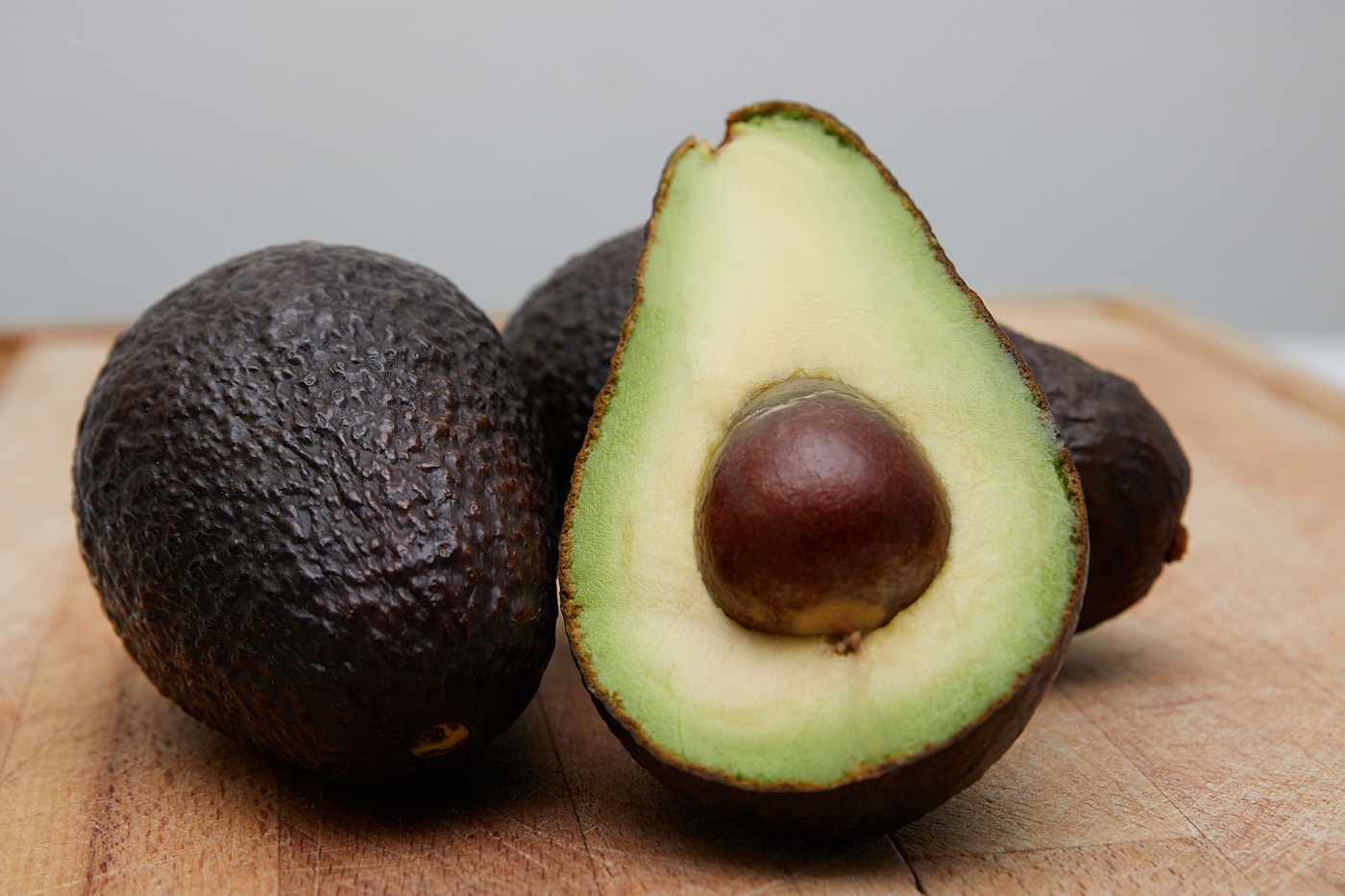
Avocado

The Healthy Fat Revolution
#1
World Ranking
40%
of All Votes
2
Total Votes

Unique fruit packed with healthy monounsaturated fats, potassium, and folate. One of the most nutrient-dense foods available.

Turmeric history India
10,000
Years of History
History & Origins

Born in Mexico and Central America

Avocados have been cultivated in Mexico and Central America for at least 10,000 years. The Aztecs called it 'ahuacatl' and considered it a sacred food of the gods, associated with fertility and strength. Spanish conquistadors discovered it in the 16th century and introduced it to Europe.

Cultural Significance

The Aztec and Maya civilisations revered avocados as food for warriors, nobles, and priests. Aztec emperor Montezuma reportedly served avocado at state banquets. In modern Mexico, guacamole remains a cultural institution dating back to pre-Columbian times.

Science-Backed

Properties & Benefits

Cardiovascular Protection
Oleic acid reduces inflammation in arterial walls, lowers oxidised LDL cholesterol, and reduces triglycerides. Studies show regular avocado consumption reduces cardiovascular disease risk by 16-21%.
Absorption Enhancer
Absorption Enhancer
The fat content dramatically increases bioavailability of carotenoids (beta-carotene, lycopene, lutein) from other foods eaten in the same meal by 3-15 times.
Anti-Inflammatory
Anti-Inflammatory
Phytosterols and polyhydroxylated fatty alcohols in avocados inhibit pro-inflammatory enzymes (COX-1 and COX-2), reducing systemic inflammation markers.
Blood Sugar Stabiliser
Despite tasting rich, avocados have a glycaemic index of near zero. Their fiber and fat slow digestion and blunt post-meal blood sugar spikes when eaten with carbohydrates.
Eye Health
Eye Health
Avocados are exceptionally rich in lutein and zeaxanthin — carotenoids that accumulate in the retina and protect against age-related macular degeneration and cataracts.
Prebiotic Support
Prebiotic Support
Avocado fiber, particularly soluble fiber, preferentially feeds beneficial Lactobacillus and Faecalibacterium bacteria in the gut, improving microbiome diversity.
From Farm to Jar

How Avocado is Made

Persea americana · Fruit (technically a large berry)
1
Cultivation
Avocado trees require a subtropical climate and take 3-4 years after planting to produce fruit. They bloom once yearly and a single tree can produce 200-300 avocados per season.
2
Harvesting
Avocados are unique — they only ripen after being picked. They are harvested by hand when they reach optimal oil content (typically after 12-14 months on the tree) and before natural drop.
3
Ethylene Ripening
Commercial avocados are shipped hard and unripe, then exposed to ethylene gas in ripening rooms at 15-20°C for 24-72 hours to trigger uniform softening.
4
Oil Production
For avocado oil, ripe flesh is separated from skin and stone, then cold-pressed at under 50°C to extract oil while preserving oleic acid and fat-soluble vitamins. Virgin avocado oil undergoes no further processing.
Turmeric production process
Nutrition Facts
Serving size: Half an avocado (75g)
Oleic Acid (key compound)10g
Calories120 kcal
Carbohydrates6.4g
Protein1.5g
Fat11g
Fiber5g
Vitamin K18% DV
Potassium14% DV
Nutritional Profile

What's Inside?

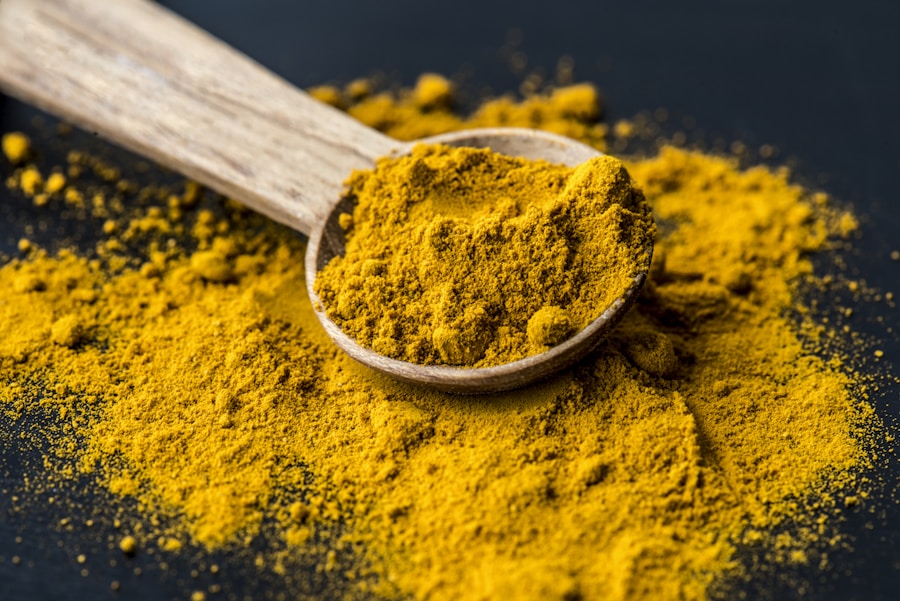
The key compound in turmeric is curcumin — not the vitamins or minerals. At 60-90mg per teaspoon, you need consistent daily use or supplements to reach therapeutic doses of 500-2000mg. Always combine with black pepper to activate absorption by up to 2,000%.
Key Compound
Curcumin
Therapeutic Dose
500-2000mg/day
Absorption Booster
Black Pepper
Increase
2,000%
In the Kitchen

Recipes with Avocado

Classic Guacamole
10 min
Classic Guacamole
Mexico · 4 servings
Ingredients
2 ripe avocados
juice of 1 lime
1 small white onion, finely diced
1 tomato, deseeded and diced
handful fresh coriander
1 jalapeño, minced
salt to taste
Method
1
Halve avocados, remove stones, and scoop flesh into a bowl.
2
Mash to desired consistency — chunky or smooth.
3
Fold in lime juice, onion, tomato, coriander and jalapeño. Season with salt.
💡 Press cling film directly onto the surface to prevent browning. The lime juice also helps delay oxidation.
Avocado Toast with Poached Egg
15 min
Avocado Toast with Poached Egg
Australia / Modern · 1 serving
Ingredients
1 ripe avocado
2 slices sourdough bread
2 eggs
red chilli flakes
lemon juice
sea salt and black pepper
Method
1
Toast bread until golden. Mash avocado with lemon juice and season.
2
Poach eggs in simmering water with a splash of vinegar for 3 minutes.
3
Spread avocado on toast, top with egg, and finish with chilli flakes and seasoning.
💡 Add a drizzle of extra virgin olive oil and microgreens for extra nutrients and presentation.
Avocado Chocolate Mousse
10 min
Avocado Chocolate Mousse
Modern Wellness · 2 servings
Ingredients
2 ripe avocados
3 tbsp cacao powder
3 tbsp maple syrup
1 tsp vanilla extract
pinch of sea salt
Method
1
Blend all ingredients until completely smooth.
2
Taste and adjust sweetness. Refrigerate for 30 minutes before serving.
💡 The fat in avocado creates a mousse texture indistinguishable from dairy cream. Serve topped with berries.
Honest Assessment

Pros & Cons

Advantages
Heart-Healthy Fats
75% of avocado's fat is oleic acid — the same monounsaturated fat in olive oil. Studies show it reduces LDL cholesterol and triglycerides while raising protective HDL cholesterol.
Exceptional Nutrient Density
Avocados contain over 20 vitamins and minerals including folate (30% DV), vitamin K (26% DV), B vitamins, and more potassium than bananas per gram.
Enhances Nutrient Absorption
The fat in avocados increases absorption of fat-soluble vitamins (A, D, E, K) and carotenoids from other foods by up to 15 times when eaten together.
Satiety and Weight Management
The combination of fat, fiber (7g per avocado), and low sugar creates prolonged satiety. Studies show avocado eaters consume fewer calories overall throughout the day.
Disadvantages
High Calorie Content
A whole avocado contains 320 calories — more than many meals. Portion control is necessary, especially for those managing weight.
Environmental Cost
Avocados require 320 litres of water per fruit and have contributed to deforestation in Mexico. The environmental footprint is significantly higher than local seasonal produce.
Ripeness Window
Avocados have a very narrow ripeness window of 1-2 days. Timing consumption requires planning, and overripe avocados develop an unpleasant taste.
Head-to-Head

Avocado vs Others

Avocado
vs
Olive Oil
Similarity
Both are rich in oleic acid with similar cardiovascular benefits
Key Difference
Avocado provides fiber, potassium, and folate that olive oil lacks; olive oil is better for cooking and dressings
Choose avocado as a whole food for satiety and nutrients; use olive oil for cooking and dressings
Avocado
vs
Salmon
Similarity
Both provide healthy fats with anti-inflammatory and cardiovascular benefits
Key Difference
Salmon provides omega-3s (EPA/DHA) which avocado lacks; avocado provides fiber and is suitable for vegans
Combine them — their fats are complementary and together provide complete fat coverage
Avocado
vs
Walnuts
Similarity
Both are high-fat, nutrient-dense foods with cardiovascular benefits
Key Difference
Walnuts provide more omega-3 ALA and protein; avocado provides more fiber, potassium, and lower calorie density per serving
Choose avocado for meals needing creaminess and satiety; walnuts for snacking and omega-3 intake
Important

Warnings & Precautions

⚠️
High Calorie Density
Avocados are calorie-dense at around 320 calories each. While the fats are healthy, overconsumption can contribute to excess caloric intake.
🤧
Latex Allergy
People with latex allergies may react to avocados due to cross-reactive proteins. Symptoms include oral itching, hives, and in rare cases anaphylaxis.
💊
Blood Thinners
Avocados contain vitamin K which can interfere with warfarin (Coumadin). People on anticoagulant therapy should maintain consistent avocado intake and consult their doctor.
Surprising Facts

Did You Know?

01
Avocados are technically a fruit — specifically a large berry with a single seed — and were called 'alligator pears' in English until the 20th century.
02
The avocado is the only fruit that contains significant amounts of healthy monounsaturated fat, making it nutritionally closer to olive oil than to other fruits.
03
Avocados were nearly extinct 13,000 years ago when their natural seed dispersers — giant ground sloths and gomphotheres — disappeared. Humans saved the avocado by cultivating it.
04
A single avocado contains more potassium than a banana — 975mg versus 422mg — making it one of the best natural sources of this essential mineral.
05
The Hass avocado, which accounts for 80% of global production, traces back to a single seedling planted by a postman named Rudolph Hass in La Habra Heights, California in 1926.
Explore More

Other Superfoods

Turmeric
Turmeric
1 votes
Ginger
Ginger
1 votes
Garlic
Garlic
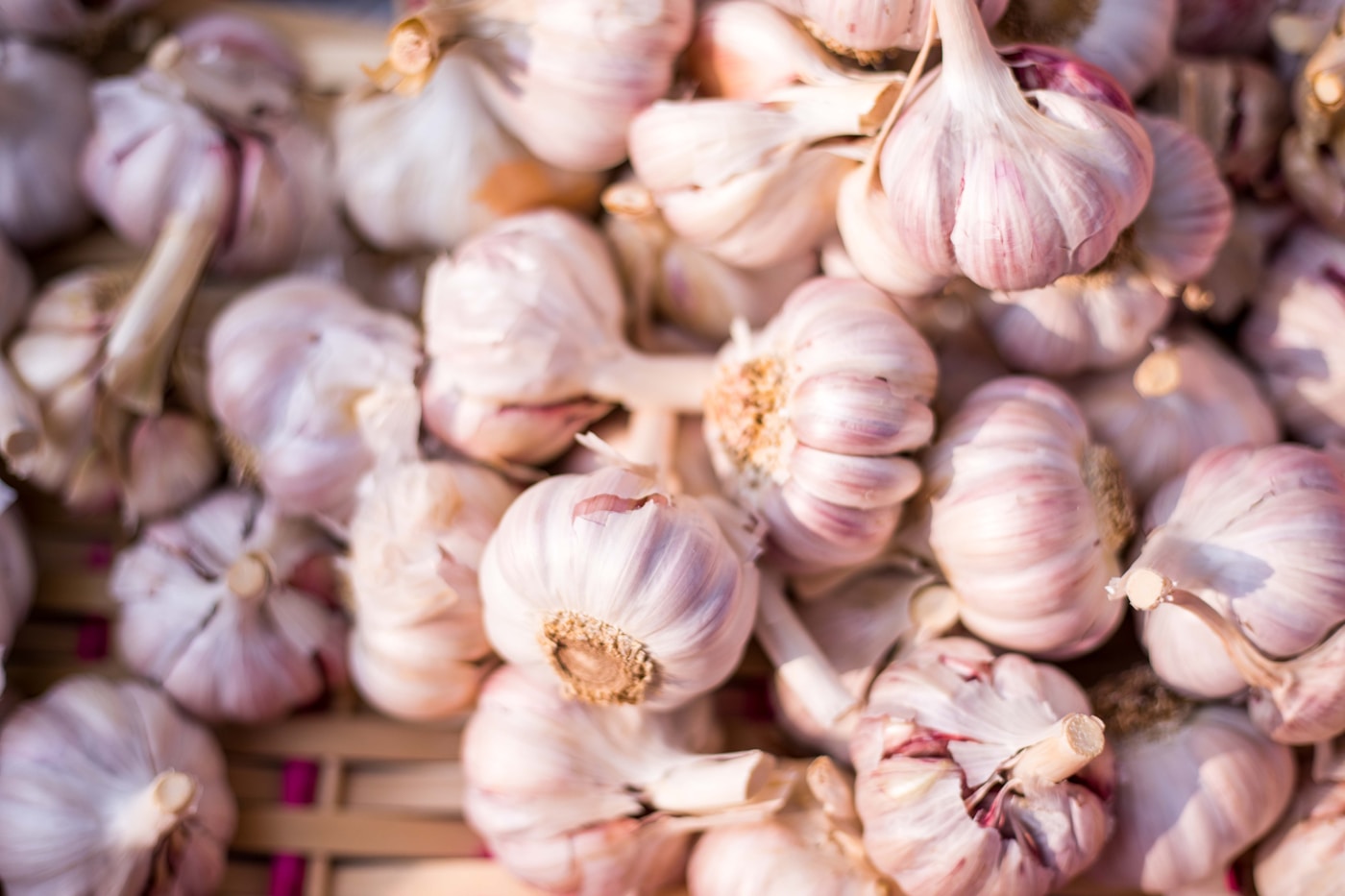
1 votes
Moringa
Moringa
0 votes
Chia Seeds
Chia Seeds
0 votes
Matcha
Matcha
0 votes
Kale
Kale
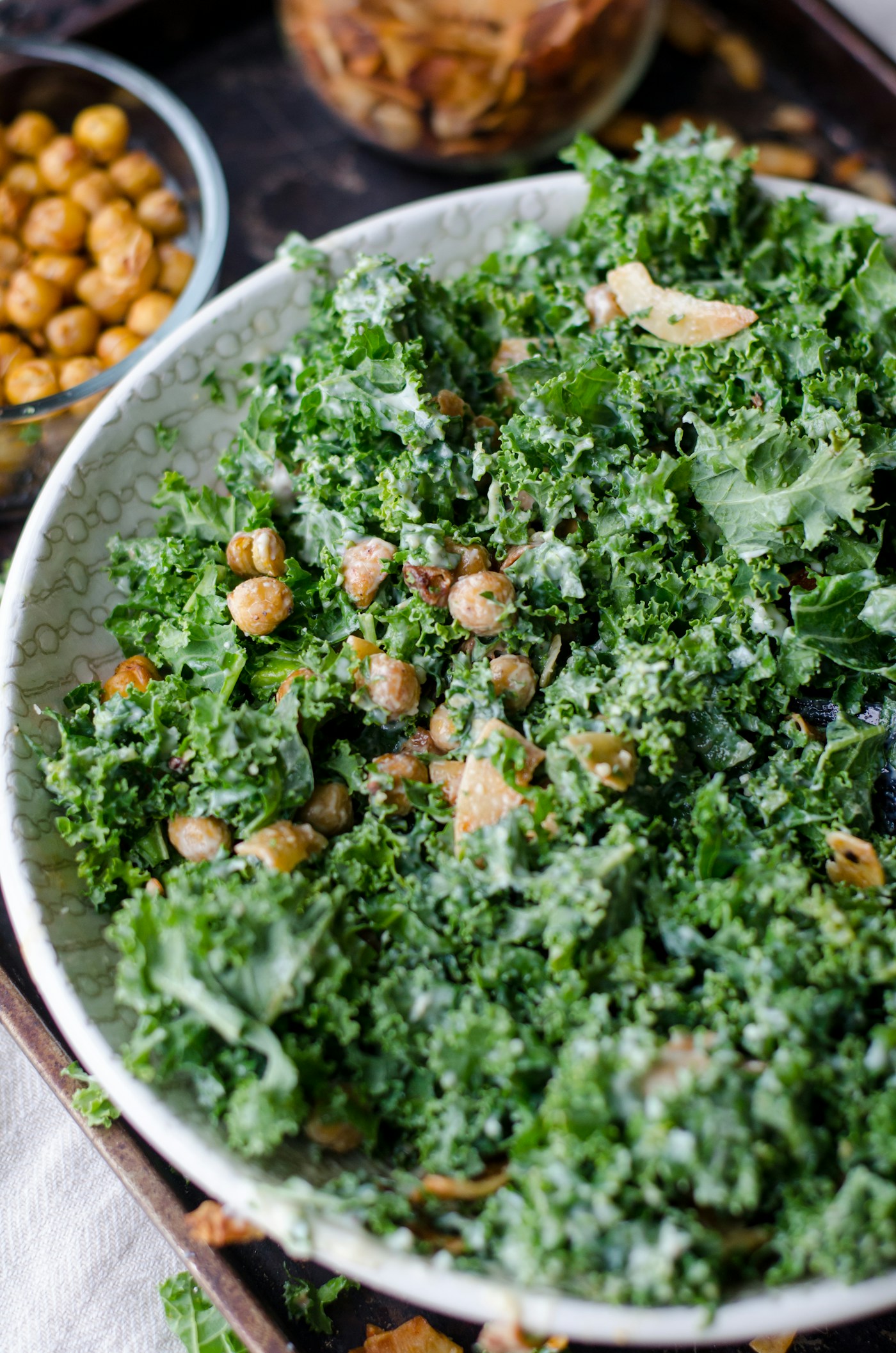
0 votes
Açaí
Açaí
0 votes
Name Your Side

Is Avocado the world's best superfood?

Vote head-to-head against the other 14 superfoods. Live rankings built by real votes from people worldwide.

Vote Now →
Home
Ask
Profile