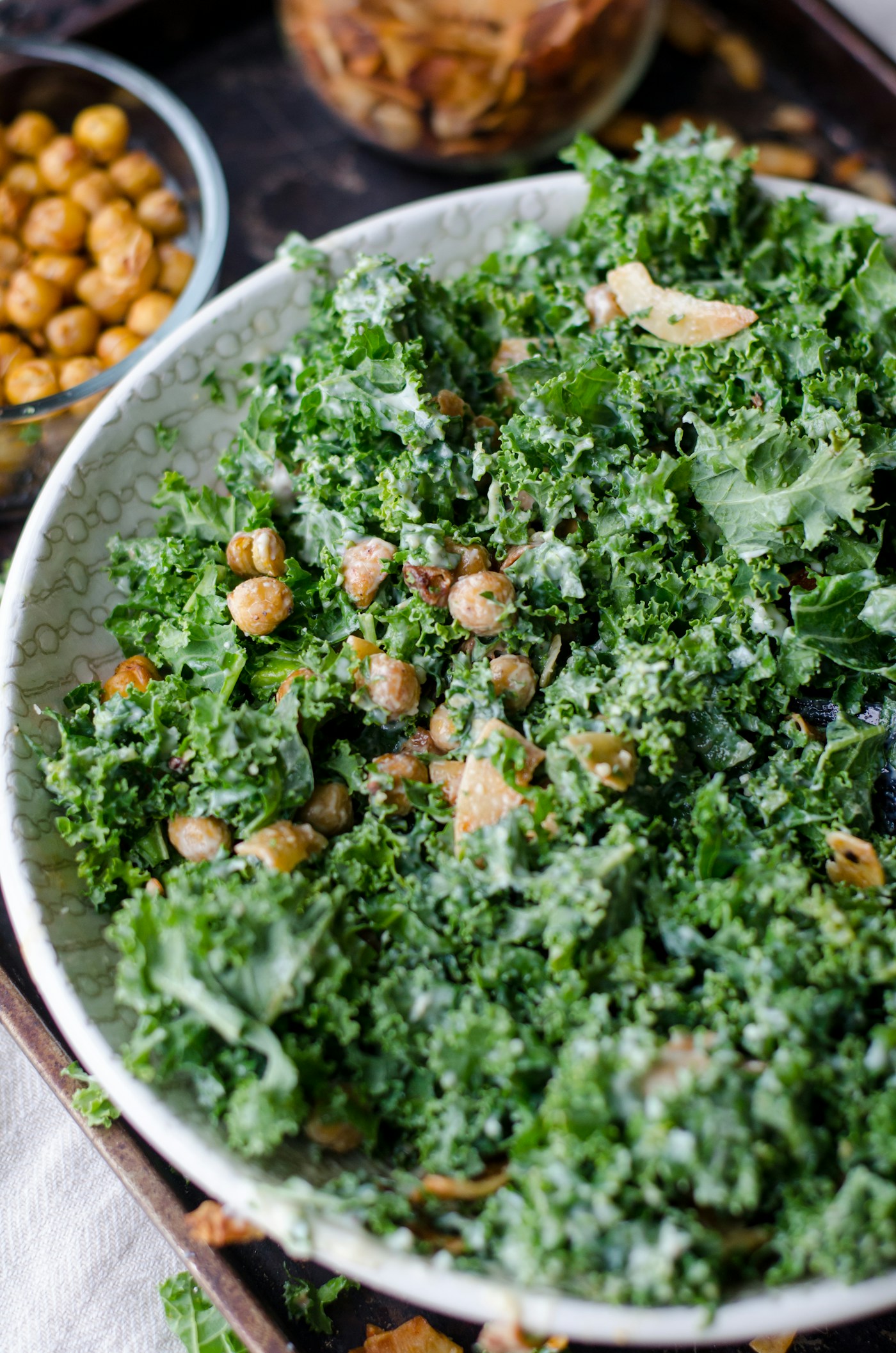
Kale
Home/Food & Drink/Best Superfoods in the World
Food & Drink · Best Superfoods in the World

Kale

The King of Greens
#8
World Ranking
0%
of All Votes
0
Total Votes

The most nutrient-dense leafy green on the planet. One cup provides over 100% of daily vitamin K, A, and C requirements.

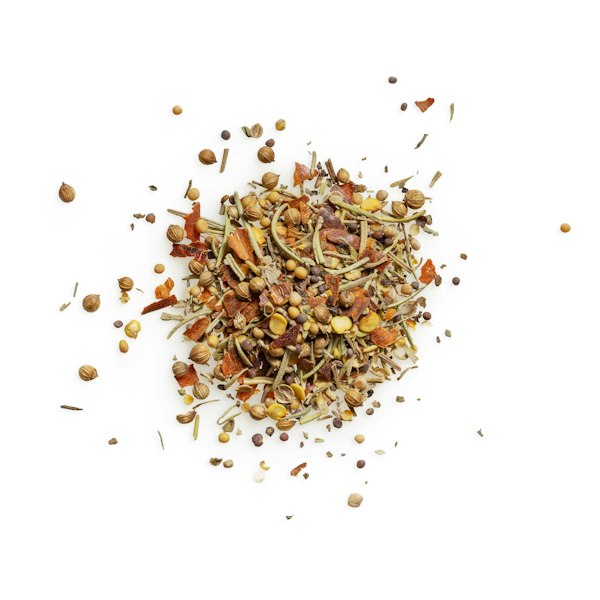
Turmeric history India
4,000
Years of History
History & Origins

Born in Eastern Mediterranean and Asia Minor

Kale was one of the most common vegetables in ancient Greece and Rome, where it was cultivated for both food and medicine. It spread throughout Europe during the Roman Empire and became a dietary staple across medieval Europe, particularly in cold northern climates where it thrived in frost. Kale was largely forgotten in the 20th century before being rediscovered by the health food movement in the 2000s.

Cultural Significance

In Scotland, kale was so central to diet and culture that dinner itself was called 'kail' and the kitchen garden was the 'kailyard'. In Germany, kale (Grünkohl) festivals are still held every January in Lower Saxony, where the first frost-sweetened kale of winter is celebrated with communal feasts. In the American South, slow-cooked kale greens remain a cornerstone of soul food tradition.

Science-Backed

Properties & Benefits

Cancer Prevention
Cancer Prevention
Glucosinolates are converted by gut bacteria into sulforaphane and indole-3-carbinol, which activate phase II detoxification enzymes, inhibit cancer cell proliferation, and induce apoptosis across multiple cancer types.
Cholesterol Reduction
Steamed kale's fibre binds bile acids in the gut, forcing the liver to convert more cholesterol into new bile acids. This directly reduces circulating LDL cholesterol through a mechanism distinct from statins.
Antioxidant Protection
Kale's combination of quercetin, kaempferol, vitamin C, and beta-carotene provides broad-spectrum antioxidant protection. Quercetin and kaempferol have anti-inflammatory and anti-viral effects in addition to antioxidant activity.
Bone Mineralisation
Bone Mineralisation
Vitamin K1 activates matrix Gla-protein and osteocalcin — proteins essential for calcium deposition in bone. Without adequate vitamin K, calcium is absorbed but not properly incorporated into bone matrix.
Eye Protection
Eye Protection
Kale is the richest food source of lutein and zeaxanthin — carotenoids that accumulate in the retinal macula and protect against age-related macular degeneration and cataracts by filtering harmful blue light.
Detoxification Support
Isothiocyanates from kale glucosinolates upregulate liver phase II detoxification enzymes, enhancing the body's ability to neutralise and eliminate environmental toxins, carcinogens, and metabolic waste products.
From Farm to Jar

How Kale is Made

Brassica oleracea var. sabellica · Leaves
1
Cultivation
Kale grows in cool climates and is one of the most frost-hardy vegetables — exposure to frost actually converts starches to sugars, sweetening the flavour. It grows year-round in mild climates and is ready to harvest 60-80 days after planting.
2
Harvesting
Kale is harvested by removing outer leaves while leaving the central growing point intact, allowing the plant to continue producing for months. Baby kale for salads is harvested at 3-4 weeks; mature kale at 8-12 weeks.
3
Post-Harvest
Kale is highly perishable — it loses 50% of its glucosinolate content within 24 hours of harvest at room temperature. Immediate refrigeration is essential, and pre-washed bagged kale should be consumed within 3-5 days.
4
Processing
For kale powder and supplements, leaves are harvested at peak nutrition, washed, and freeze-dried at -40°C to preserve enzymes and phytonutrients. Freeze-drying retains 90-95% of nutrients versus 40-60% for conventional drying.
Turmeric production process
Nutrition Facts
Serving size: 100g raw kale
Sulforaphane precursors (key compound)~105mg glucosinolates
Calories49 kcal
Carbohydrates8.8g
Protein4.3g
Fat0.9g
Fiber3.6g
Vitamin K704% DV
Vitamin C134% DV
Nutritional Profile

What's Inside?

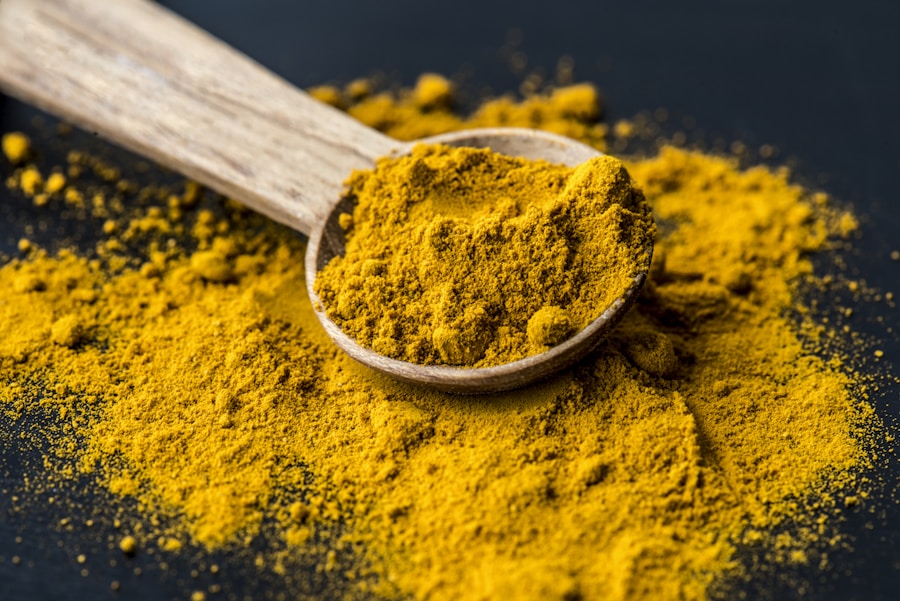
The key compound in turmeric is curcumin — not the vitamins or minerals. At 60-90mg per teaspoon, you need consistent daily use or supplements to reach therapeutic doses of 500-2000mg. Always combine with black pepper to activate absorption by up to 2,000%.
Key Compound
Curcumin
Therapeutic Dose
500-2000mg/day
Absorption Booster
Black Pepper
Increase
2,000%
In the Kitchen

Recipes with Kale

Massaged Kale Salad
15 min
Massaged Kale Salad
Modern Wellness · 2 servings
Ingredients
200g curly kale, stems removed
2 tbsp extra virgin olive oil
juice of 1 lemon
1 tsp sea salt
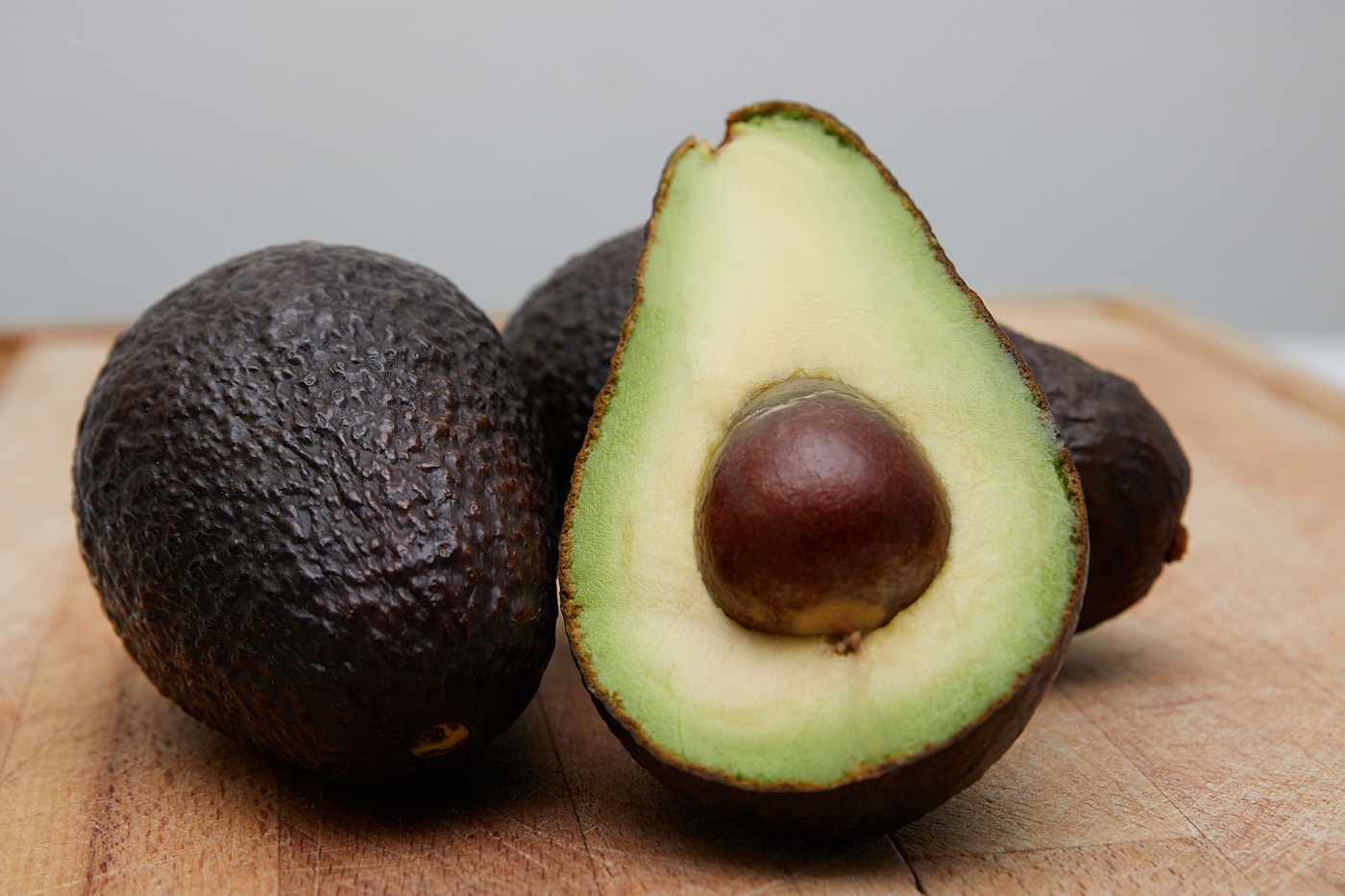
1 avocado, diced
2 tbsp toasted pumpkin seeds
shaved parmesan or nutritional yeast
Method
1
Tear kale into pieces and place in a large bowl. Add olive oil, lemon, and salt.
2
Massage vigorously with your hands for 3-4 minutes until kale softens and darkens.
3
Top with avocado, pumpkin seeds, and parmesan. Serve immediately.
💡 Massaging is not optional — it breaks down the tough cell walls, making kale tender, digestible, and far less bitter. Massaged kale lasts 2 days refrigerated.
Crispy Kale Chips
20 min
Crispy Kale Chips
Modern · 2 servings
Ingredients
200g kale, stems removed and torn
2 tbsp olive oil
1 tsp sea salt
1 tsp smoked paprika
optional: nutritional yeast for cheesy flavour
Method
1
Preheat oven to 150°C. Wash and thoroughly dry kale — any moisture causes steaming not crisping.
2
Toss with olive oil, salt, and paprika. Spread in single layer on baking trays.
3
Bake 15-18 minutes until crispy but not brown. Watch carefully — they burn suddenly.
💡 150°C low and slow is the secret. High heat burns the edges before the centre crisps. Completely dry kale is essential.
White Bean and Kale Soup
35 min
White Bean and Kale Soup
Tuscany, Italy · 4 servings
Ingredients
300g kale, roughly chopped
2 cans white beans, drained
1 onion, diced
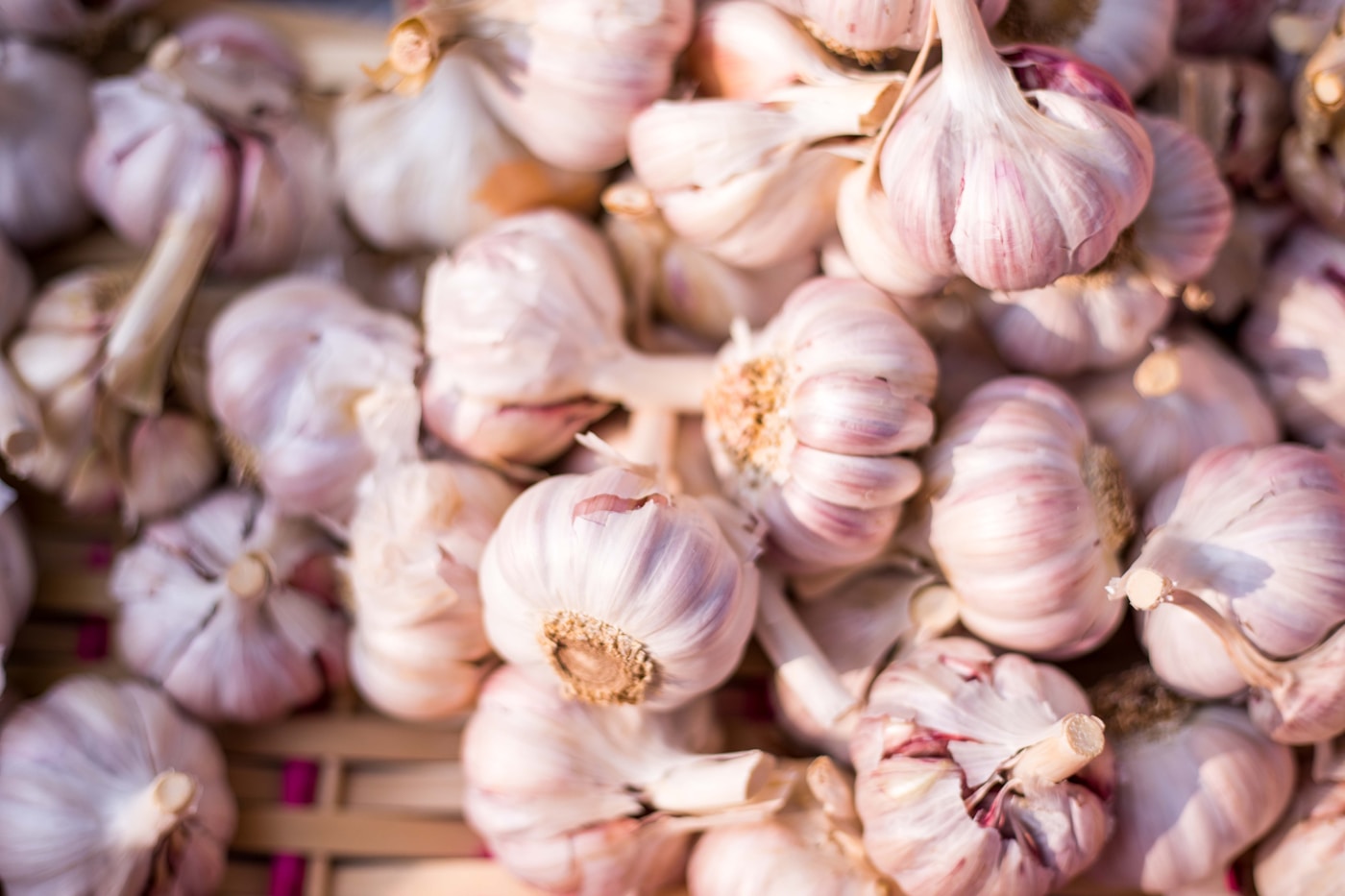
4 garlic cloves, sliced
1 litre vegetable stock
2 tbsp olive oil
1 tsp chilli flakes
salt and pepper
Method
1
Soften onion in olive oil for 5 minutes. Add garlic and chilli for 1 minute.
2
Add stock, beans, and kale. Simmer 20 minutes until kale is tender.
3
Season generously and finish with a drizzle of good olive oil.
💡 This is ribollita — one of Tuscany's oldest dishes. The beans provide complete protein when combined with the kale's amino acids.
Honest Assessment

Pros & Cons

Advantages
Unmatched Nutrient Density
Kale provides more nutrients per calorie than virtually any other food. At 49 calories per 100g, it delivers over 100% of daily vitamin K, vitamin A, and vitamin C simultaneously — a combination no supplement can replicate.
Cancer Prevention
Glucosinolates in kale are converted to sulforaphane and indole-3-carbinol — compounds that inhibit cancer cell growth, induce apoptosis, and detoxify carcinogens. Population studies link cruciferous vegetable consumption to 30-40% lower cancer risk.
Cardiovascular Protection
Kale's bile acid sequestrants reduce LDL cholesterol by binding bile acids in the gut. One study found steamed kale reduced LDL by 10% and raised HDL by 27% over 12 weeks — comparable to cholesterol medication.
Bone Health
The combination of vitamin K1 (704% DV), calcium, and magnesium in kale makes it one of the most bone-protective foods available. Vitamin K activates osteocalcin — the protein that anchors calcium into bone matrix.
Disadvantages
Digestive Difficulty Raw
Raw kale's tough cell walls and high fiber can cause significant bloating, gas, and digestive discomfort, particularly in people with sensitive digestion or IBS. Massaging or cooking resolves this.
Vitamin K Interactions
The extraordinarily high vitamin K content creates serious interactions with anticoagulant medications. This is not a minor consideration — it requires active management with a healthcare provider.
Bitter Flavour
Kale's glucosinolates create a pronounced bitterness that many people find unpleasant. Massaging with salt and acid, cooking, or pairing with sweet and fatty ingredients is necessary for palatability.
Head-to-Head

Kale vs Others

Kale
vs
Spinach
Similarity
Both are dark leafy greens with exceptional nutrient density and similar culinary uses
Key Difference
Spinach provides more iron and folate; kale provides more vitamin K, vitamin C, calcium, and cancer-preventive glucosinolates
Alternate between both — they provide complementary nutrients and using both covers a wider nutritional spectrum than either alone
Kale
vs
Broccoli
Similarity
Both are cruciferous vegetables with high glucosinolate and sulforaphane content
Key Difference
Broccoli has more sulforaphane precursors and vitamin C; kale has more vitamin K, lutein, and is more versatile raw
Choose broccoli for maximum sulforaphane; kale for vitamin K, lutein, and raw salad versatility. Both should feature weekly.
Kale
vs
Moringa
Similarity
Both are extraordinarily nutrient-dense green foods often compared as the most nutritious greens available
Key Difference
Moringa provides more protein and iron per gram; kale provides more vitamin K and cancer-preventive glucosinolates
Choose kale for cancer prevention and vitamin K; moringa for protein and iron supplementation, particularly in plant-based diets
Important

Warnings & Precautions

💊
Vitamin K and Blood Thinners
Kale is extremely high in vitamin K1, which directly affects blood clotting. People on warfarin must maintain consistent kale consumption — sudden large increases can dangerously reduce anticoagulant effectiveness.
🫘
Thyroid Function
Raw kale contains goitrogens that can interfere with thyroid iodine absorption in people with existing thyroid conditions. Cooking destroys 90% of goitrogens. People with hypothyroidism should prefer cooked kale.
🪨
Kidney Stones
Kale contains significant oxalates which bind calcium and can contribute to calcium oxalate kidney stones in susceptible individuals. Cooking reduces oxalate content by 30-50%.
Surprising Facts

Did You Know?

01
Kale contains more vitamin C per gram than oranges — 120mg per 100g versus 53mg in oranges — making it one of the most vitamin C-dense foods on earth despite being a leafy green rather than a citrus fruit.
02
Kale belongs to the same species as cabbage, broccoli, cauliflower, and Brussels sprouts (Brassica oleracea) — they are all the same plant, selectively bred over centuries for different edible parts.
03
One cup of raw kale provides more than 100% of daily vitamin K, 98% of vitamin A, and 71% of vitamin C — three critical vitamins in a single 33-calorie serving, making it the most nutrient-dense food per calorie ever measured.
04
Kale was the most widely consumed vegetable in Europe throughout the Middle Ages — it was so important to Scottish culture that the word 'kail' was synonymous with food itself, and kitchens were called kail-yards.
05
The bitter compounds in kale (glucosinolates) are converted by the body into sulforaphane and indole-3-carbinol — two of the most potent natural cancer-preventive compounds identified in nutritional science.
Explore More

Other Superfoods

Avocado
Avocado
2 votes
Turmeric
Turmeric
1 votes
Ginger
Ginger
1 votes
Garlic
Garlic
1 votes
Moringa
Moringa
0 votes
Chia Seeds
Chia Seeds
0 votes
Matcha
Matcha
0 votes
Açaí
Açaí
0 votes
Name Your Side

Is Kale the world's best superfood?

Vote head-to-head against the other 14 superfoods. Live rankings built by real votes from people worldwide.

Vote Now →
Home
Ask
Profile