Turmeric
Home/Food & Drink/Best Superfoods in the World
Food & Drink · Best Superfoods in the World

Turmeric

The Golden Spice of Life
#2
World Ranking
20%
of All Votes
1
Total Votes

Ancient golden spice with powerful anti-inflammatory and antioxidant properties. Used for 4,000 years in Ayurvedic medicine.
Turmeric history India
4,000
Years of History
History & Origins

Born in Southeast Asia, primarily India

Turmeric has been used in India for at least 4,000 years. It appears in Sanskrit texts as a spice, a dye, and a medicine. Ancient Ayurvedic texts mention turmeric as a treatment for skin conditions, digestive problems, and liver disease. It spread along ancient trade routes to China, Africa, and the Middle East, reaching Europe in the 13th century when Marco Polo described it as a vegetable with properties similar to saffron.

Cultural Significance

In Hindu culture, turmeric is sacred. It is used in wedding ceremonies, religious rituals, and applied to the skin of brides and grooms before marriage. In Ayurveda it is called Haridra — one of the most important medicinal herbs. In Chinese medicine it has been used for 2,000 years. In Thailand and Indonesia it is a core ingredient in traditional medicine and cuisine.

Science-Backed

Properties & Benefits

Anti-Inflammatory
Anti-Inflammatory
Curcumin blocks NF-kB, a molecule that activates inflammation genes. One of the most powerful natural anti-inflammatory agents known to science.
Antioxidant Powerhouse
Neutralizes free radicals and stimulates the body own antioxidant enzymes. A double anti-aging mechanism.
Brain Booster
Brain Booster
Increases BDNF, a brain growth hormone. Linked to reduced risk of Alzheimer and depression.
Heart Protective
Heart Protective
As effective as exercise in improving endothelial function — the lining of blood vessels.
Joint Relief
Joint Relief
Clinical trials show curcumin is as effective as ibuprofen for knee pain, without the side effects.
Bioavailability Hack
Combining with black pepper increases absorption by 2,000%. Always pair turmeric with black pepper.
From Farm to Jar

How Turmeric is Made

Curcuma longa — a flowering plant of the ginger family · Underground rhizome (root)
1
Planting
Turmeric is grown from rhizome pieces planted in well-drained soil. It requires tropical conditions — high humidity, warm temperatures, and heavy rainfall. India, Bangladesh, China, Thailand, and Peru are the main producers.
2
Growing
The plant grows 1-1.5 metres tall with large leaves. After 7-10 months, the leaves and stem dry out, signaling the rhizomes are ready. Each plant produces 200-300g of fresh rhizomes.
3
Harvesting
Rhizomes are dug up by hand or machine. Fresh turmeric looks similar to ginger — a brown, knobby root with bright orange flesh inside.
4
Boiling
Fresh rhizomes are boiled for 45-60 minutes. This gelatinizes the starch, reduces drying time, and gives turmeric its uniform color.
5
Drying
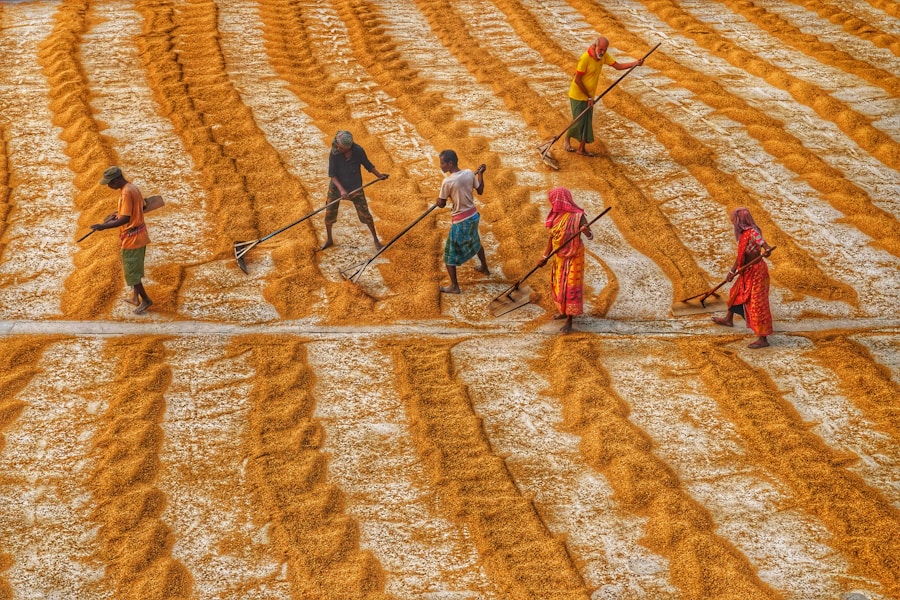
Boiled rhizomes are sun-dried for 10-15 days until moisture content drops below 10%. Improper drying leads to mold and loss of curcumin.
6
Grinding
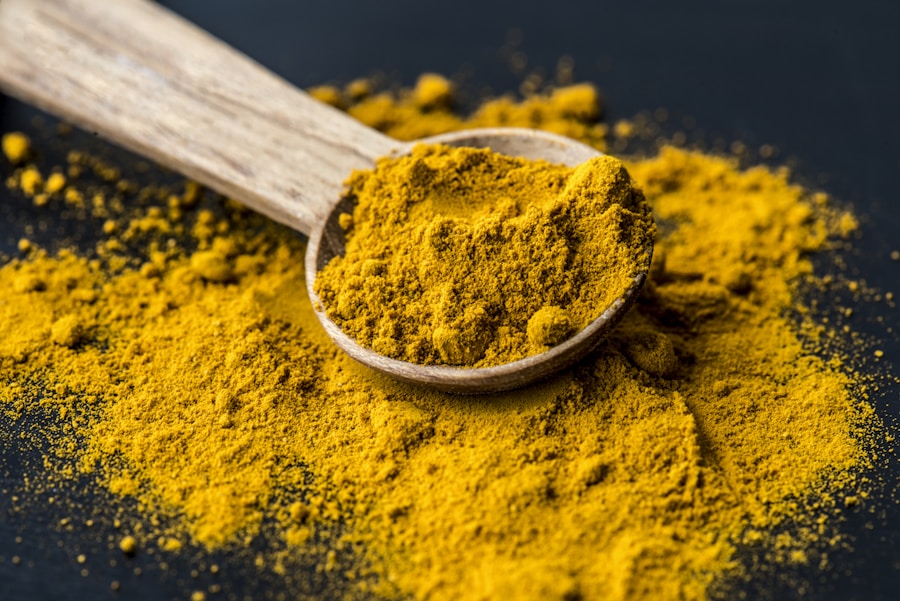
Dried rhizomes are polished to remove rough skin, then ground into fine yellow powder. The final product contains 2-5% curcumin by weight.
Turmeric production process
Nutrition Facts
Serving size: 1 teaspoon (3g) of turmeric powder
Calories9 kcal
Protein0.3g
Carbohydrates2g
Fiber0.7g
Fat0.3g
Curcumin60-90mg
Manganese26% DV
Iron16% DV
Vitamin B65% DV
Potassium3% DV
Nutritional Profile

What's Inside?

The key compound in turmeric is curcumin — not the vitamins or minerals. At 60-90mg per teaspoon, you need consistent daily use or supplements to reach therapeutic doses of 500-2000mg. Always combine with black pepper to activate absorption by up to 2,000%.
Key Compound
Curcumin
Therapeutic Dose
500-2000mg/day
Absorption Booster
Black Pepper
Increase
2,000%
In the Kitchen

Recipes with Turmeric

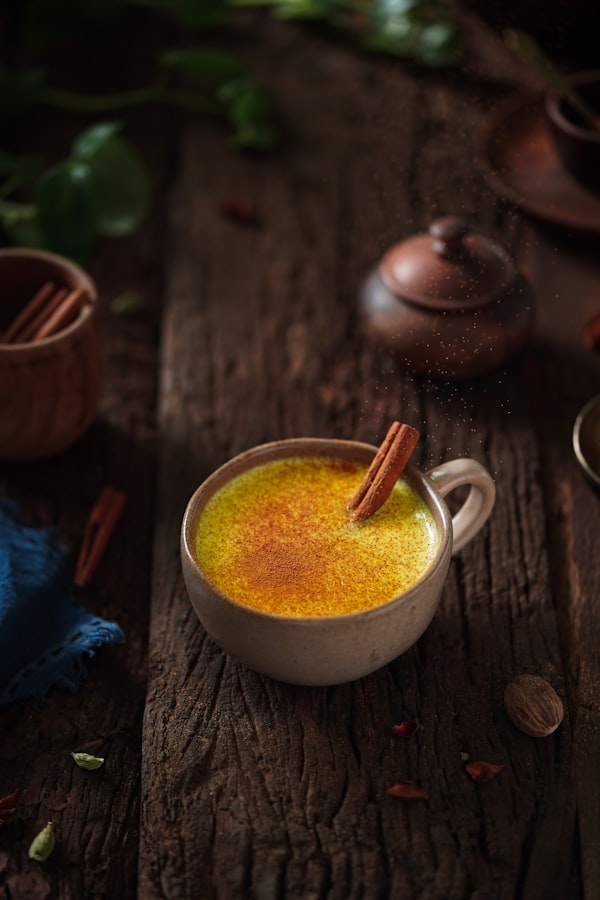
Golden Milk
5 minutes
Golden Milk
India · 1 serving
Ingredients
250ml milk
1 tsp turmeric powder
1/4 tsp black pepper
1/2 tsp cinnamon
1 tsp honey
1/4 tsp ginger powder
Method
1
Heat milk until warm but not boiling.
2
Add turmeric, black pepper, cinnamon, and ginger. Whisk until combined.
3
Pour into a cup and stir in honey.
4
Drink warm before bed.
💡 Black pepper increases curcumin absorption by 2,000%.
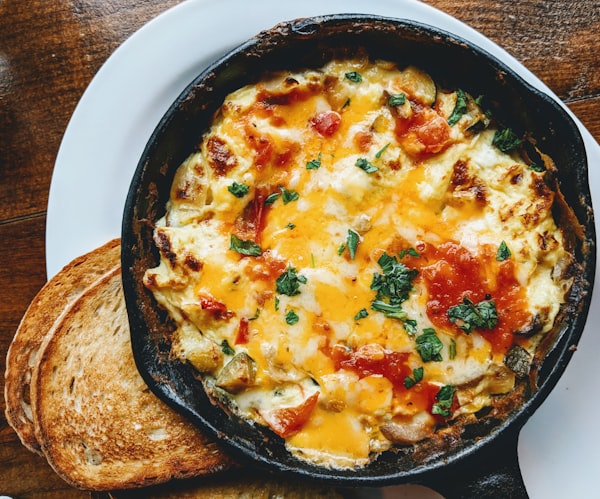
Turmeric Scrambled Eggs
10 minutes
Turmeric Scrambled Eggs
Modern fusion · 2 servings
Ingredients
4 large eggs
1/2 tsp turmeric
1/4 tsp black pepper
1/4 tsp cumin
2 tbsp olive oil
Salt to taste
Fresh coriander
Method
1
Whisk eggs with turmeric, black pepper, cumin, and salt.
2
Heat olive oil in a pan over medium-low heat.
3
Add egg mixture and cook slowly, folding gently.
4
Remove from heat while slightly wet.
5
Garnish with coriander.
💡 Low, slow heat preserves curcumin. High heat degrades its beneficial compounds.
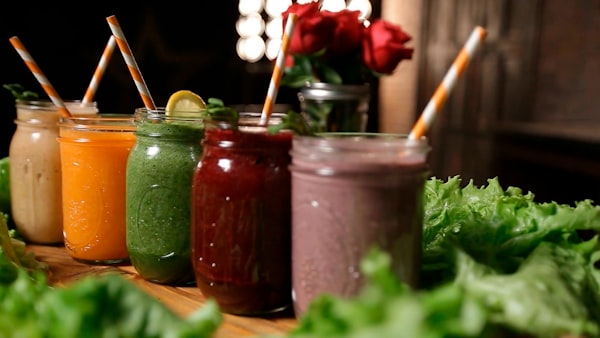
Immunity Shot
5 minutes
Immunity Shot
Modern wellness · 4 servings
Ingredients
2 lemons, juiced
1 orange, juiced
1 tsp fresh turmeric
1 tsp fresh ginger
Pinch black pepper
Pinch cayenne
Method
1
Combine all ingredients and mix vigorously.
2
Strain through a fine mesh sieve.
3
Pour into shot glasses.
4
Store remainder in fridge up to 3 days.
💡 Take on an empty stomach in the morning for maximum absorption.
Honest Assessment

Pros & Cons

Advantages
Scientifically backed
Over 10,000 studies validate its properties. Not a trend — 4,000-year-old medicine with modern scientific confirmation.
Versatile
Used in cooking, drinks, supplements, and topically for skin. Integrates easily into daily life.
Safe for most people
Culinary amounts are safe for almost everyone. Well-tolerated even at higher doses in most clinical trials.
Anti-cancer potential
Curcumin has shown anti-tumor properties in laboratory and animal studies. Human trials are ongoing.
Affordable
One of the cheapest superfoods. A 100g bag provides months of daily use at therapeutic doses.
Disadvantages
Poor absorption
Curcumin has very low bioavailability on its own. Without black pepper or fat, most passes through unused.
Blood thinning
High doses can interact with blood thinners like warfarin. Stop supplementing 2 weeks before surgery.
Stains everything
The bright yellow pigment permanently stains clothes and surfaces. Handle with care.
May worsen gallstones
Turmeric stimulates bile production. People with gallstones should consult a doctor first.
Limited human evidence
Most impressive studies are in vitro or in animals. High-quality human trials are fewer than suggested.
Head-to-Head

Turmeric vs Others

Turmeric
vs
Ginger
Similarity
Both are rhizomes from the same family with anti-inflammatory properties.
Key Difference
Ginger is more effective for nausea. Turmeric wins on antioxidant capacity and joint health.
Turmeric for inflammation, Ginger for digestion
Turmeric
vs
Cinnamon
Similarity
Both are ancient spices used medicinally for thousands of years.
Key Difference
Cinnamon excels at blood sugar regulation. Turmeric is stronger for inflammation and brain health.
Depends on your goal
Turmeric
vs
Black Pepper
Similarity
Often used together — black pepper dramatically increases turmeric absorption.
Key Difference
They are complementary. Black pepper activates turmeric rather than replacing it.
Use both together
Important

Warnings & Precautions

⚠️
Pregnancy
Culinary amounts are safe. Medicinal doses should be avoided — turmeric can stimulate uterine contractions at high doses.
💊
Drug Interactions
May interact with blood thinners, diabetes medications, and antacids. Consult a doctor before supplementing.
🩸
Before Surgery
Stop turmeric supplements at least 2 weeks before any surgery due to blood-thinning properties.
🫀
Iron Absorption
Very high doses may reduce iron absorption. People with iron deficiency should not take supplements with iron-rich meals.
Surprising Facts

Did You Know?

01
India produces 80% of the world turmeric and consumes 80% of what it produces. The average Indian consumes 2-2.5g per day.
02
Buddhist monks robes were traditionally dyed with turmeric for over 2,000 years. The color stains permanently.
03
Over 10,000 peer-reviewed studies have been published on curcumin. Research accelerated 30x in the last decade.
Explore More

Other Superfoods

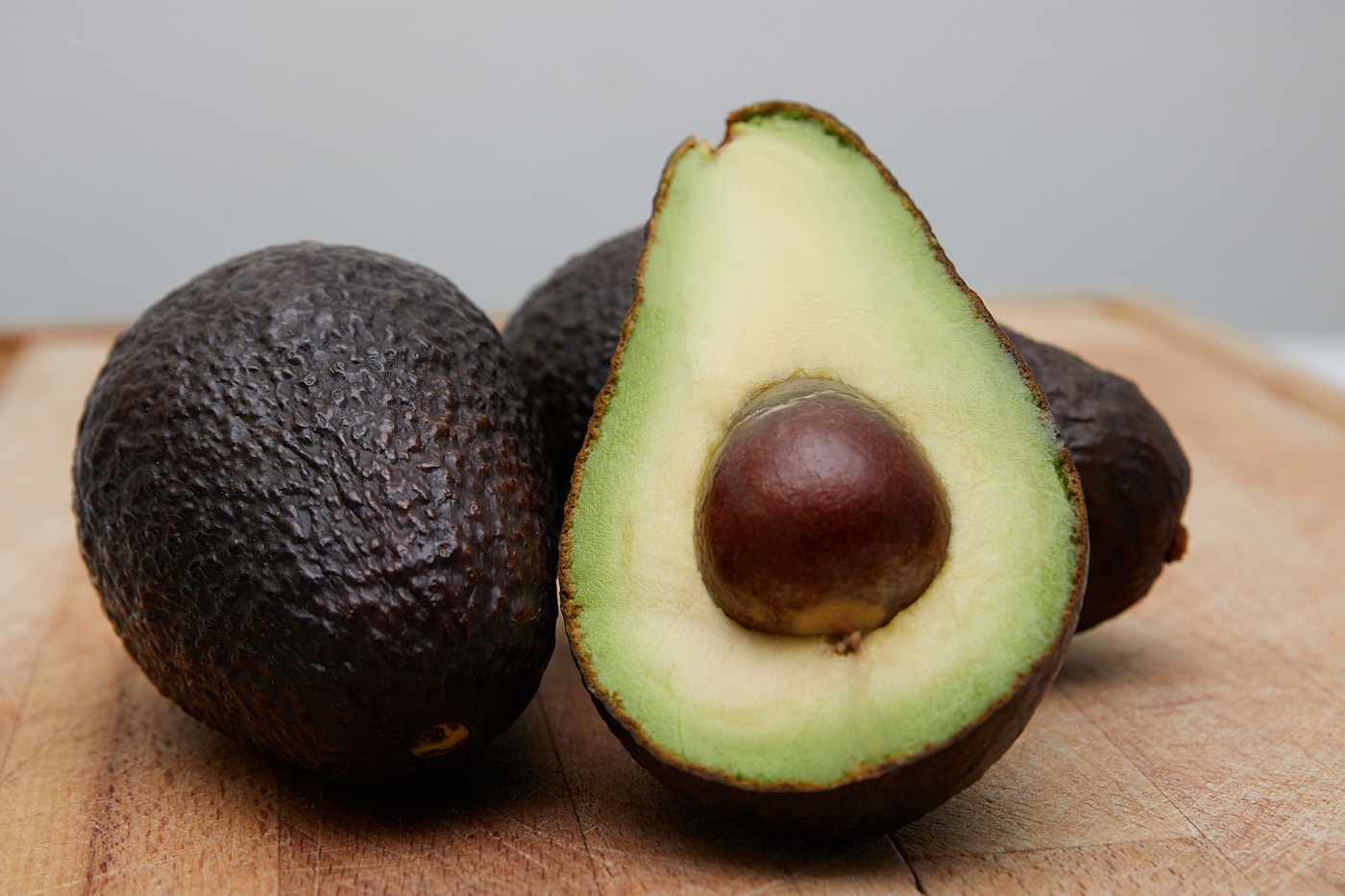
Avocado
Avocado
2 votes
Ginger
Ginger
1 votes
Garlic
Garlic
1 votes
Moringa
Moringa
0 votes
Chia Seeds
Chia Seeds
0 votes
Matcha
Matcha
0 votes
Kale
Kale
0 votes
Açaí
Açaí
0 votes
Name Your Side

Is Turmeric the world's best superfood?

Vote head-to-head against the other 14 superfoods. Live rankings built by real votes from people worldwide.

Vote Now →
Home
Ask
Profile