Açaí
Home/Food & Drink/Best Superfoods in the World
Food & Drink · Best Superfoods in the World

Açaí

The Amazon's Purple Gold
#9
World Ranking
0%
of All Votes
0
Total Votes

Amazonian berry with the highest antioxidant score of any food tested. Rich in healthy fats, fiber, and heart-protective anthocyanins.

Turmeric history India
3,000
Years of History
History & Origins

Born in Amazon River delta, Brazil

Acai has been consumed by indigenous Amazonian peoples for thousands of years as a primary food source rather than a supplement. The Caboclo and Ribeirinho communities of the Amazon estuary traditionally ate acai pulp mixed with tapioca as a daily meal. It remained unknown outside Brazil until the 1990s when Brazilian surfers and athletes popularised it, and it reached global health food markets in the early 2000s.

Cultural Significance

In the Amazon estuary region of Pará state, acai is not a superfood trend but a cultural institution — breakfast, lunch, and dinner for millions of Brazilians. The city of Belém consumes more acai per capita than anywhere on earth, and the rhythmic sound of acai being processed in street stalls is part of daily urban life. Acai harvest is also a significant source of income for Amazonian communities, providing an economic incentive to preserve rather than clear the rainforest.

Science-Backed

Properties & Benefits

Antioxidant Protection
Acai's ORAC value of 102,700 per 100g reflects the combined activity of anthocyanins, proanthocyanidins, flavones, and phenolic acids — a broader spectrum of antioxidant classes than any other fruit.
Cardiovascular Support
The combination of oleic acid, anthocyanins, and plant sterols in acai reduces LDL oxidation, improves endothelial function, lowers blood pressure, and reduces platelet aggregation through complementary mechanisms.
Anti-Inflammatory
Anti-Inflammatory
Acai anthocyanins (particularly cyanidin-3-glucoside and cyanidin-3-rutinoside) directly inhibit NF-κB and COX-2 inflammatory pathways, reducing systemic inflammation markers measurably in human trials.
Neuroprotection
Neuroprotection
Acai polyphenols reduce neuroinflammation, improve mitochondrial function in brain cells, and activate autophagy — the cellular cleaning process that removes damaged proteins linked to neurodegeneration.
Immune Modulation
Immune Modulation
Acai polysaccharides activate macrophages and natural killer cells, enhancing innate immune surveillance without causing excessive immune activation or inflammation.
Skin Protection
Skin Protection
Applied topically or consumed, acai's anthocyanins and vitamin E protect skin cells from UV-induced oxidative damage, reduce inflammation, and support collagen synthesis — making acai oil a premium cosmetic ingredient.
From Farm to Jar

How Açaí is Made

Euterpe oleracea (acai palm) · Berry (drupe fruit)
1
Harvesting
Acai palms grow 15-30 metres tall in flooded Amazon forests. Harvesters climb barefoot using rope loops to reach berry clusters at the crown. Each cluster contains up to 900 berries and is cut and lowered by rope.
2
Immediate Processing
Berries begin fermenting within 24 hours of harvest and must reach processing facilities the same day. They are soaked in water to soften, then mechanically processed to separate the thin edible pulp from the large indigestible seed.
3
Freezing
Acai pulp is immediately frozen at -18°C to arrest fermentation and preserve anthocyanins. This is why all acai outside the Amazon is sold frozen — there is no alternative that preserves nutritional quality.
4
Freeze-Drying
For powder production, frozen pulp is freeze-dried at -40°C under vacuum, removing all moisture while preserving the anthocyanin structure. The resulting powder is 10x more concentrated than fresh pulp.
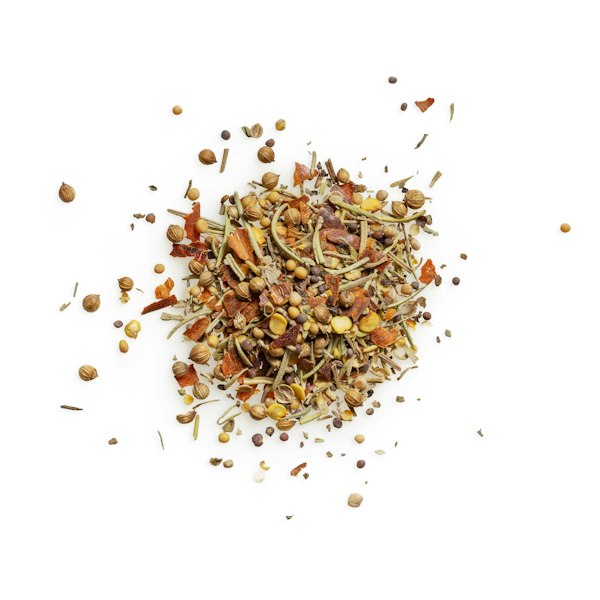
Turmeric production process
Nutrition Facts
Serving size: 100g frozen acai pulp
Anthocyanins (key compound)320mg
Calories70 kcal
Carbohydrates4g
Protein1.5g
Fat5g
Fiber2g
Vitamin A15% DV
Iron8% DV
Nutritional Profile

What's Inside?

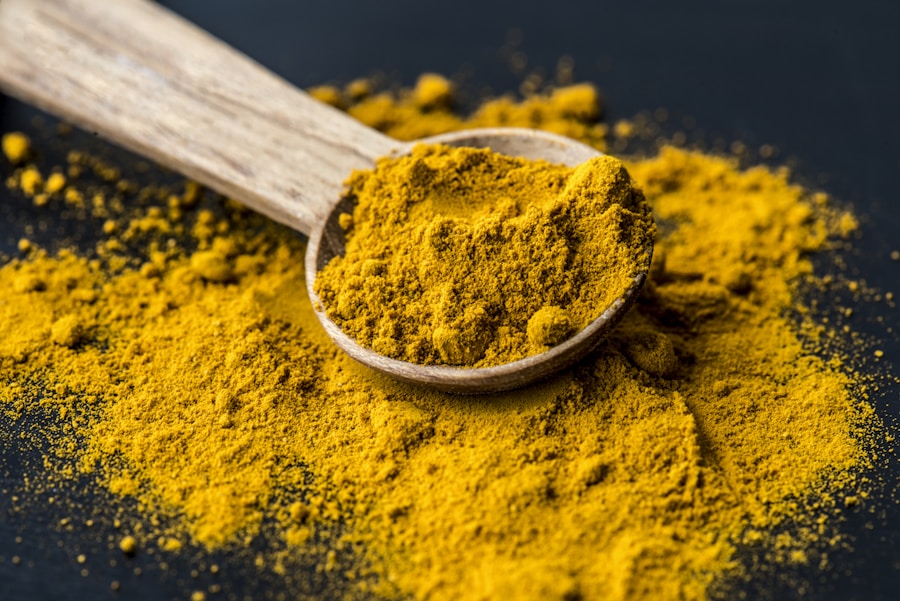
The key compound in turmeric is curcumin — not the vitamins or minerals. At 60-90mg per teaspoon, you need consistent daily use or supplements to reach therapeutic doses of 500-2000mg. Always combine with black pepper to activate absorption by up to 2,000%.
Key Compound
Curcumin
Therapeutic Dose
500-2000mg/day
Absorption Booster
Black Pepper
Increase
2,000%
In the Kitchen

Recipes with Açaí

Classic Acai Bowl
5 min
Classic Acai Bowl
Brazil / California · 1 serving
Ingredients
100g frozen acai pulp (unsweetened)
1 frozen banana
60ml coconut milk or almond milk
toppings: granola, fresh banana slices, berries, honey, coconut flakes
Method
1
Blend frozen acai and banana with just enough milk to blend — keep it thick.
2
Pour into a bowl — it should be the consistency of thick ice cream, not drinkable.
3
Arrange toppings artfully on top and serve immediately.
💡 The key is keeping it thick. Add liquid minimally. A thin acai bowl is a mistake — it should hold toppings without sinking.
Amazonian Acai Porridge (Açaí na Tigela Tradicional)
5 min
Amazonian Acai Porridge (Açaí na Tigela Tradicional)
Pará, Brazil · 1 serving
Ingredients
200g frozen acai pulp
2 tbsp tapioca granules or cassava flour
1 tbsp honey
banana slices to serve
Method
1
Thaw acai pulp slightly and blend until smooth.
2
Mix in tapioca for body and honey for sweetness.
3
Serve in a bowl topped with banana — the traditional Amazonian way.
💡 This is how acai is actually eaten in the Amazon — not the Instagram bowl with 12 toppings. It is simple, dense, and deeply satisfying.
Acai Recovery Smoothie
5 min
Acai Recovery Smoothie
Modern Sports Nutrition · 1 serving
Ingredients
100g frozen acai pulp
150g frozen mixed berries
1 scoop protein powder (optional)
200ml oat milk
1 tbsp almond butter
1 tsp honey
Method
1
Blend all ingredients until smooth.
2
Consume within 30 minutes post-workout for optimal recovery.
💡 The anthocyanins in acai reduce exercise-induced muscle inflammation. Consuming within the post-workout window maximises recovery benefits.
Honest Assessment

Pros & Cons

Advantages
Exceptional Antioxidant Density
Acai's ORAC score of 102,700 per 100g is the highest of any fruit tested. The anthocyanins, flavonoids, and proanthocyanidins provide multi-layered antioxidant protection against oxidative stress and cellular aging.
Heart-Healthy Fat Profile
56% of acai's fat is oleic acid — the same monounsaturated fat in olive oil. This unique fat profile for a fruit supports cardiovascular health, reduces LDL cholesterol, and provides sustained energy.
Anti-Inflammatory
Acai's anthocyanins inhibit COX-1 and COX-2 inflammatory enzymes and reduce circulating inflammatory markers including CRP and IL-6, with effects comparable to anti-inflammatory medications in some studies.
Cognitive Protection
Acai polyphenols cross the blood-brain barrier, reduce neuroinflammation, and have shown improvements in memory and cognitive function in older adults in preliminary human trials.
Disadvantages
Highly Processed Outside Brazil
Fresh acai is unavailable globally. Frozen, freeze-dried, and juice forms have significantly different nutritional profiles. Quality varies enormously between products, and many commercial acai products are nutritionally poor.
Expensive
High-quality unsweetened acai pulp costs significantly more than comparable antioxidant sources like blueberries or pomegranate. The superfood marketing premium is substantial.
Limited Clinical Evidence
Despite extraordinary antioxidant measurements in laboratory testing, large-scale human clinical trials on acai's specific health benefits remain limited. Most evidence is from small studies or animal research.
Head-to-Head

Açaí vs Others

Açaí
vs
Blueberries
Similarity
Both are anthocyanin-rich berries with powerful antioxidant and brain-protective properties
Key Difference
Acai has 15x more antioxidants per gram and significant healthy fats; blueberries have stronger clinical evidence for brain health and are more accessible and affordable
Choose blueberries for evidence-based brain health at low cost; acai for maximum antioxidant density and heart-healthy fat content
Açaí
vs
Pomegranate
Similarity
Both are antioxidant-rich fruits with cardiovascular and anti-inflammatory benefits
Key Difference
Pomegranate's punicalagins are more potent for cardiovascular benefits specifically; acai provides healthy fats and broader antioxidant spectrum
Choose pomegranate for targeted cardiovascular protection; acai for broader antioxidant coverage and healthy fat content
Açaí
vs
Walnuts
Similarity
Both provide heart-healthy fats with antioxidant and anti-inflammatory properties
Key Difference
Walnuts provide omega-3 ALA and more protein; acai provides higher antioxidant density and unique anthocyanins
Choose walnuts for omega-3 and protein; acai for antioxidant density. Both support cardiovascular and brain health through different mechanisms.
Important

Warnings & Precautions

🌿
Pollen Allergy
People with pollen allergies, particularly to palms, may react to acai. Initial consumption should be cautious, particularly with fresh or minimally processed products.
⚠️
Added Sugar in Products
Most commercial acai products — bowls, juices, and frozen packs — contain significant added sugar. Always check labels and choose unsweetened acai pulp. The berry itself is low in sugar; the products often are not.
🦠
Chagas Disease Risk
Improperly processed raw acai juice has been linked to Chagas disease transmission in Brazil from contamination by the triatomine bug. Only consume commercially processed, pasteurised acai products outside traditional Amazonian contexts.
Surprising Facts

Did You Know?

01
Acai berries have the highest ORAC (antioxidant) score of any fruit ever tested — 15 times more antioxidants per gram than blueberries, 20 times more than red grapes, and 30 times more than red wine.
02
Acai berries cannot be exported fresh — they begin fermenting within 24 hours of harvest and must be processed within hours. Every acai product outside Brazil is frozen pulp, freeze-dried powder, or juice.
03
The acai palm (Euterpe oleracea) produces fruit in clusters of up to 900 berries, and a single tree can produce up to 20kg of fruit per year for over 200 years — making it one of the most productive food plants in the Amazon.
04
Acai contains oleic acid — the same heart-healthy monounsaturated fat as olive oil and avocado — at levels of 56% of total fat content, making it unique among fruits for its fat composition.
05
The Caboclo people of the Amazon have consumed acai as a dietary staple for thousands of years — it accounts for up to 42% of total food intake in some Amazonian communities, consumed as a thick purple porridge with fish.
Explore More

Other Superfoods

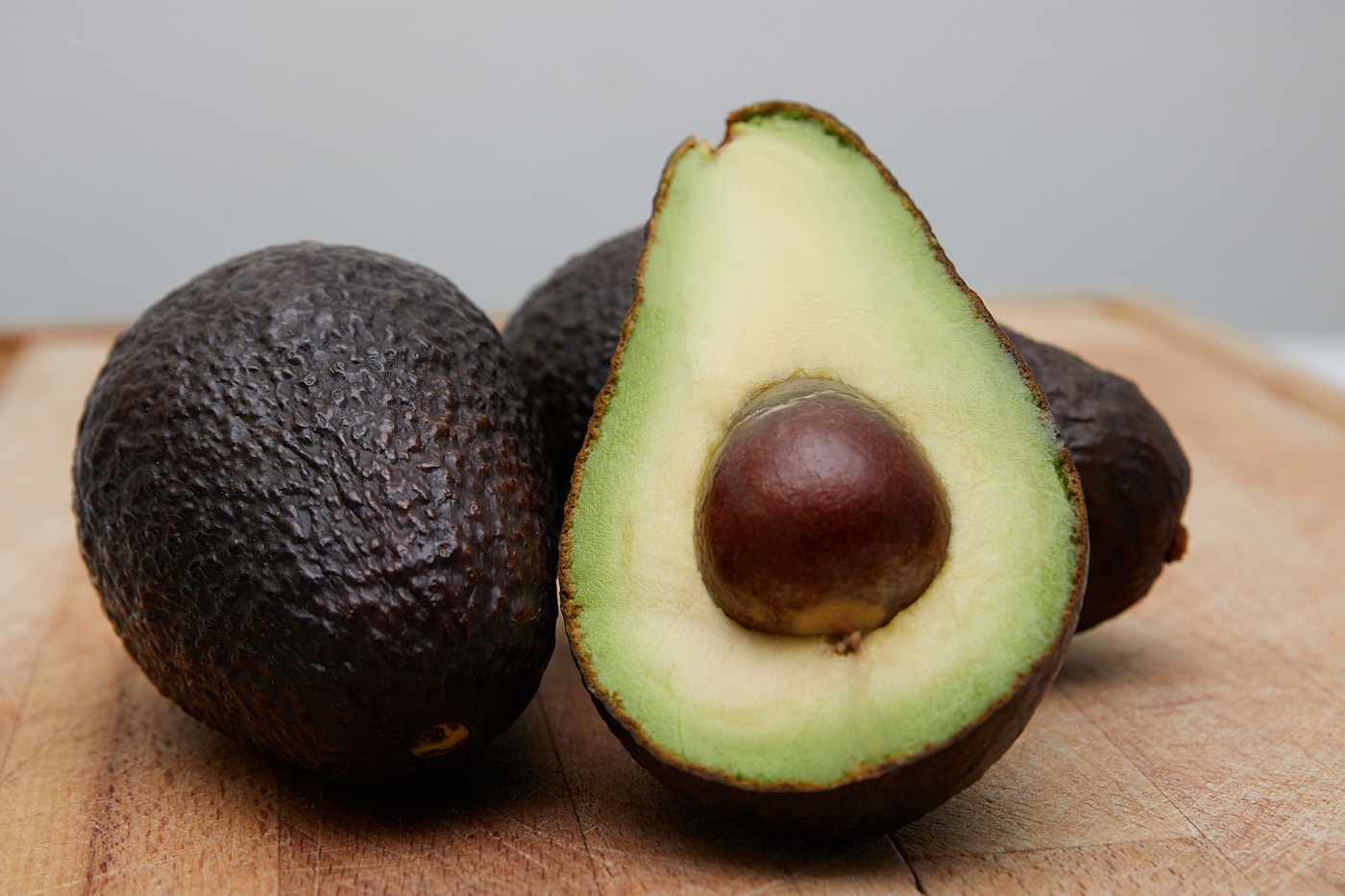
Avocado
Avocado
2 votes
Turmeric
Turmeric
1 votes
Ginger
Ginger
1 votes
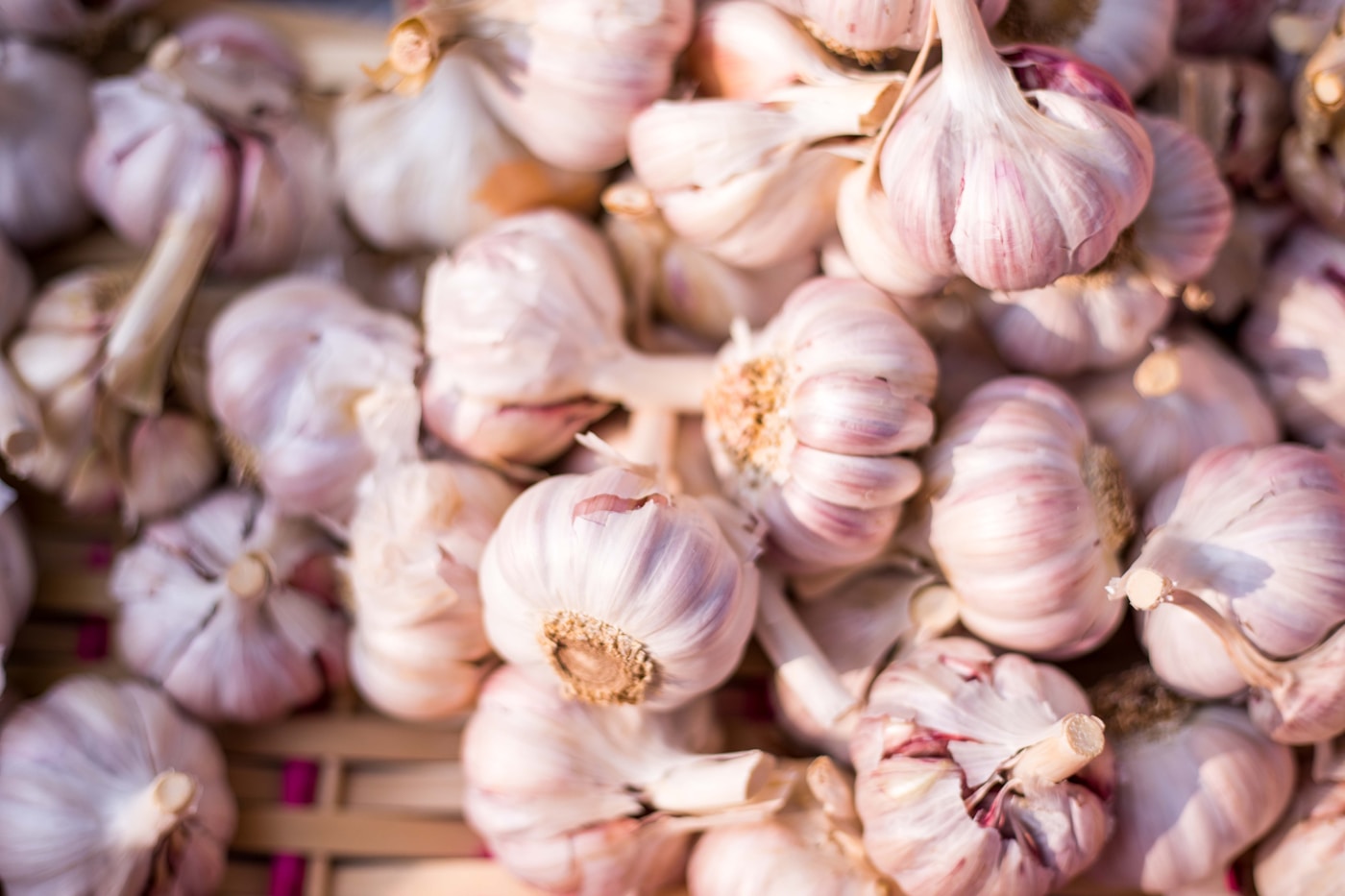
Garlic
Garlic
1 votes
Moringa
Moringa
0 votes
Chia Seeds
Chia Seeds
0 votes
Matcha
Matcha
0 votes
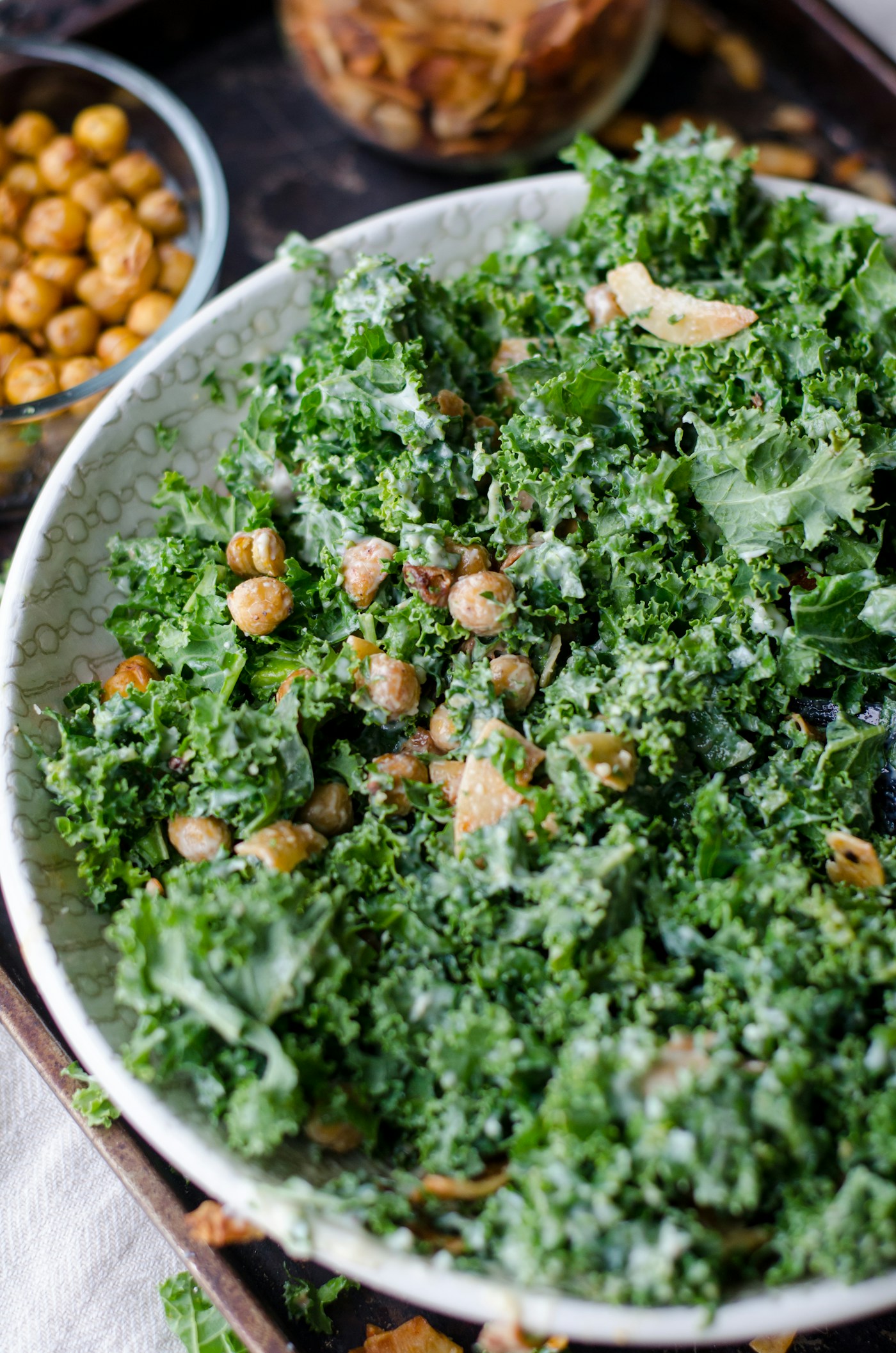
Kale
Kale
0 votes
Name Your Side

Is Açaí the world's best superfood?

Vote head-to-head against the other 14 superfoods. Live rankings built by real votes from people worldwide.

Vote Now →
Home
Ask
Profile