
Potent root used worldwide for digestion, nausea relief, and immune support. One of the most studied medicinal plants on earth.

History & Origins
Born in Southeast Asia (India and China)
Ginger originated in Southeast Asia and has been cultivated for thousands of years. It spread to the Mediterranean via the spice trade and reached Europe by the 9th century, becoming one of the most sought-after spices of the medieval world.
Cultural Significance
In Ayurvedic medicine, ginger is called the 'universal medicine' — a remedy for virtually every ailment. In Chinese medicine it is considered warming and used to treat cold-related conditions. In medieval Europe it was so valued it was used as currency to pay taxes.
Science-Backed
Properties & Benefits



From Farm to Jar
How Ginger is Made
Zingiber officinale · Underground rhizome (root)
1
Planting
Ginger rhizomes are planted 5-10cm deep in warm, humid soil in spring. The plant grows for 8-10 months before harvest, requiring temperatures above 25°C.
2
Harvesting
Young ginger is harvested at 5-6 months for mild, juicy roots. Mature ginger is harvested at 8-10 months when the leaves yellow, producing more pungent, fibrous roots.
3
Processing
Fresh ginger is washed and sold as-is. For powder, roots are sliced and dried at 40°C for 6-8 hours, then ground. Drying converts gingerol to the more potent shogaol.
4
Extraction
For supplements and essential oil, ginger is steam-distilled or solvent-extracted to concentrate the active compounds gingerol, shogaol, and zingerone into standardised doses.
Nutrition Facts
Serving size: 1 teaspoon fresh ginger (5g)
Gingerol (active compound)~6mg
Calories4 kcal
Carbohydrates0.9g
Protein0.1g
Fat0g
Fiber0.1g
Magnesium1% DV
Potassium2% DV
Nutritional Profile
What's Inside?
The key compound in turmeric is curcumin — not the vitamins or minerals. At 60-90mg per teaspoon, you need consistent daily use or supplements to reach therapeutic doses of 500-2000mg. Always combine with black pepper to activate absorption by up to 2,000%.
Key Compound
Curcumin
Therapeutic Dose
500-2000mg/day
Absorption Booster
Black Pepper
Increase
2,000%
In the Kitchen
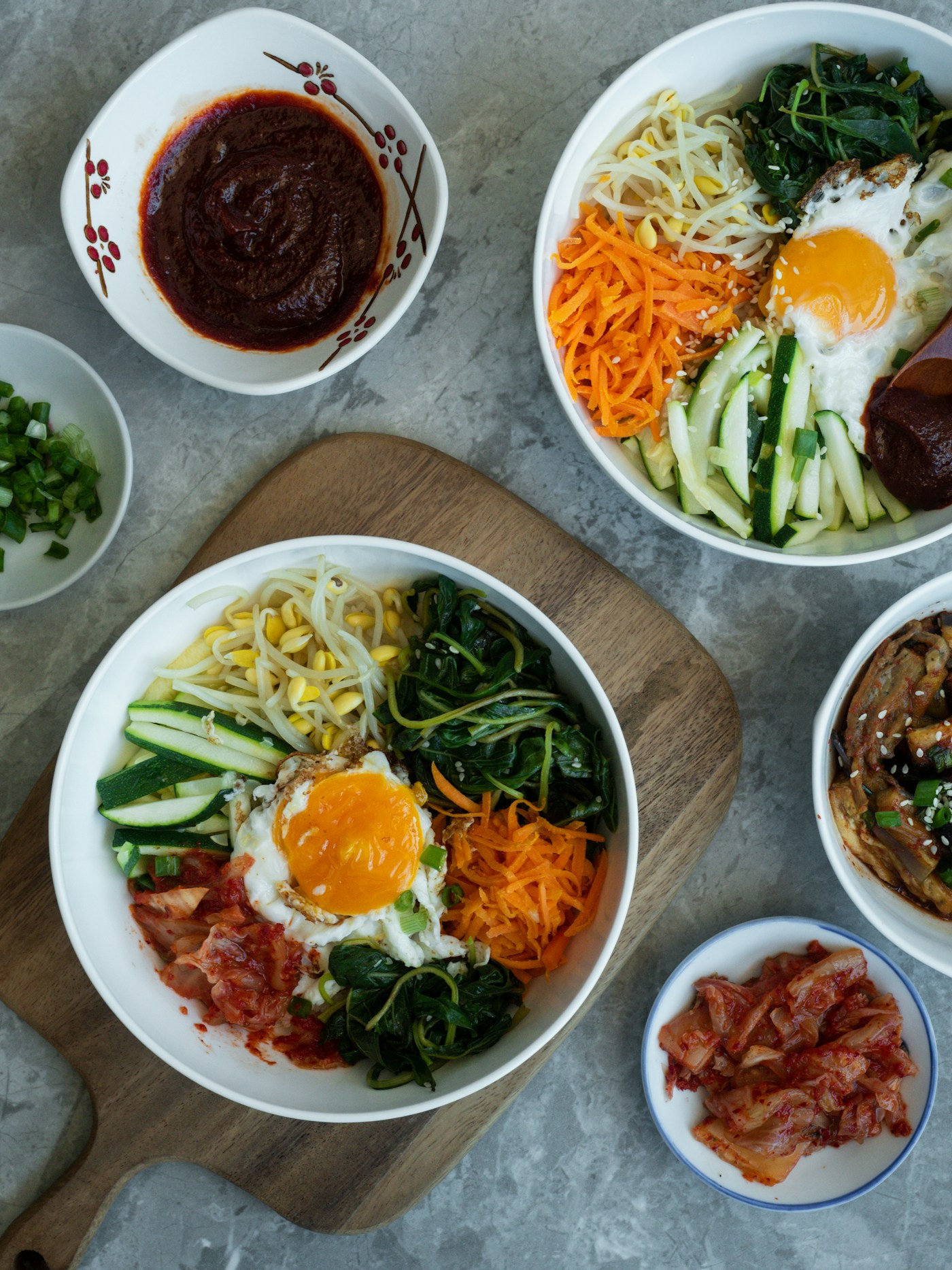
Recipes with Ginger
Honest Assessment
Pros & Cons
✓
AdvantagesNausea Relief
Multiple clinical trials confirm ginger is as effective as anti-nausea drugs for morning sickness, chemotherapy nausea, and motion sickness — without side effects.
Powerful Anti-Inflammatory
Gingerol and shogaol inhibit inflammatory pathways, reducing pain in osteoarthritis patients in studies comparable to ibuprofen.
Digestive Support
Ginger accelerates gastric emptying, reducing bloating and indigestion. It stimulates digestive enzymes and reduces gut inflammation.
Blood Sugar Control
Studies show ginger can reduce fasting blood sugar by up to 12% and improve insulin sensitivity, making it valuable for metabolic health.
✕
DisadvantagesDrug Interactions
Ginger can interact with blood thinners, diabetes medications, and blood pressure drugs. High therapeutic doses require medical supervision.
Digestive Irritation
More than 5g per day can cause heartburn, diarrhea, and stomach discomfort in sensitive individuals.
Mild Effects
While the research is promising, most studies use standardised extracts at doses far higher than what you get from culinary use. Cooking doses provide wellness benefits, not medicinal ones.
Head-to-Head
Ginger vs Others
Important
Warnings & Precautions
💊
Blood Thinners
Ginger can enhance the effects of anticoagulant medications like warfarin. Consult your doctor before taking high doses if you are on blood-thinning medication.
🤰
Pregnancy
Up to 1g per day is considered safe for morning sickness in pregnancy, but higher doses should be avoided as they may stimulate uterine contractions.
⚠️
Heartburn
In some people, large amounts of ginger can worsen acid reflux or heartburn. If you experience this, reduce your dose or take it with food.
Surprising Facts
Did You Know?
01
Ginger has been used as medicine in Asia for over 5,000 years, making it one of the oldest known medicinal plants in human history.
02
The active compound gingerol transforms into shogaol when dried — shogaol is up to 10 times more potent as an anti-inflammatory than gingerol in fresh ginger.
03
Ginger is the only food shown in clinical trials to be as effective as prescription drugs for reducing nausea without side effects.
04
Ancient Greek bakers imported ginger from Asia to make gingerbread — making it one of the world's first international spice trade items.
05
NASA studied ginger for astronauts because it is the only natural remedy proven effective against motion sickness at zero gravity.
Explore More
Other Superfoods




Name Your Side
Is Ginger the world's best superfood?
Vote head-to-head against the other 14 superfoods. Live rankings built by real votes from people worldwide.
Vote Now →