Sweet Potato
Home/Food & Drink/Best Superfoods in the World
Food & Drink · Best Superfoods in the World

Sweet Potato

Nature's Most Complete Carbohydrate
#14
World Ranking
0%
of All Votes
0
Total Votes

One of the most complete foods in nature. Exceptionally high in beta-carotene, fiber, and slow-release carbohydrates.

Turmeric history India
10,000
Years of History
History & Origins

Born in Central and South America (Peru and Ecuador)

Sweet potatoes originated in the tropical Americas and have been cultivated for at least 10,000 years, making them one of humanity's oldest crop plants. They were spread throughout the Pacific by Polynesian voyagers centuries before European contact — appearing in New Zealand, Hawaii, and Easter Island long before Columbus. Europeans brought sweet potatoes to Europe, Asia, and Africa in the 16th century, where they were rapidly adopted as a staple crop.

Cultural Significance

In Japan, sweet potato (satsumaimo) has been a dietary cornerstone for centuries, particularly in Okinawa where it sustained the population through famines and became central to the longevity culture of the world's longest-lived people. In the American South, sweet potato pie is a cultural institution tied to African American heritage and Thanksgiving tradition. In West Africa, sweet potatoes are a staple crop for over 100 million people and a primary source of vitamin A in regions where deficiency causes childhood blindness.

Science-Backed

Properties & Benefits

Vitamin A Production
Beta-carotene is cleaved by intestinal enzymes to produce retinal and retinoic acid — the active forms of vitamin A. Unlike preformed vitamin A, beta-carotene conversion is regulated by the body's needs, making toxicity impossible from food sources alone.
Antioxidant Protection
Beta-carotene, chlorogenic acid, and anthocyanins (in purple varieties) collectively neutralise reactive oxygen species, reduce lipid peroxidation, and protect DNA from oxidative damage linked to cancer and aging.
Blood Sugar Regulation
Sweet potato fiber slows gastric emptying and glucose absorption. Specific proteins (sporamins) have been shown to inhibit alpha-glucosidase enzyme activity, reducing post-meal glucose spikes beyond what fiber alone would explain.
Gut Microbiome Support
Sweet potato's combination of soluble fiber, insoluble fiber, and resistant starch feeds a broad range of beneficial gut bacteria, producing short-chain fatty acids that reduce intestinal inflammation and strengthen the gut barrier.
Immune Function
Immune Function
Vitamin A from sweet potato beta-carotene is essential for maintaining the integrity of mucous membranes — the first line of immune defence in the respiratory, digestive, and urinary tracts. Vitamin A deficiency severely impairs immune function.
Eye Health
Eye Health
Beta-carotene accumulates in the retina where it is converted to rhodopsin — the pigment required for low-light vision. Sweet potato consumption is the most effective dietary intervention against night blindness in vitamin A-deficient populations.
From Farm to Jar

How Sweet Potato is Made

Ipomoea batatas · Storage root (tuberous root)
1
Cultivation
Sweet potatoes grow from vine slips (not seeds) planted in warm, loose, well-drained soil. They require 90-170 frost-free days and thrive in tropical and subtropical climates. Vines spread along the ground while storage roots develop underground.
2
Harvesting
Sweet potatoes are harvested 90-120 days after planting when vines begin to yellow. They are dug carefully by hand or machine to avoid bruising, as damaged sweet potatoes deteriorate rapidly and do not store well.
3
Curing
Freshly harvested sweet potatoes must be cured immediately — held at 30°C and 85-90% humidity for 4-7 days. Curing heals surface wounds, converts starches to sugars (developing sweetness), and forms a protective layer that extends storage life from weeks to months.
4
Storage
Cured sweet potatoes store at 13-16°C and 85% humidity for 6-10 months. They must not be refrigerated — temperatures below 10°C cause chilling injury that makes them hard, tasteless, and prone to decay. Room temperature storage is ideal for home use.
Turmeric production process
Nutrition Facts
Serving size: 1 medium sweet potato (150g), baked
Beta-carotene (key compound)11.5mg
Calories130 kcal
Carbohydrates30g
Protein3g
Fat0.1g
Fiber4.8g
Vitamin A400% DV
Potassium15% DV
Nutritional Profile

What's Inside?

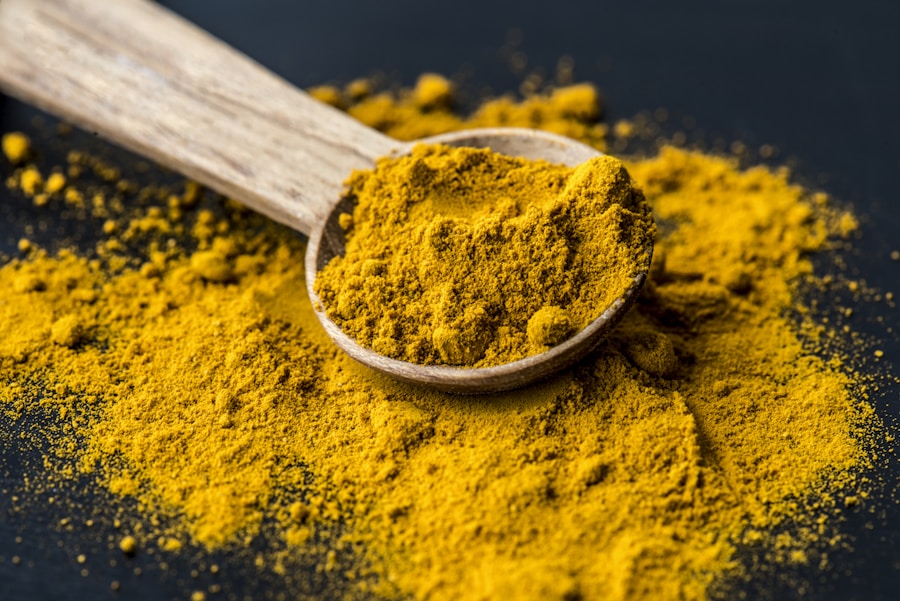
The key compound in turmeric is curcumin — not the vitamins or minerals. At 60-90mg per teaspoon, you need consistent daily use or supplements to reach therapeutic doses of 500-2000mg. Always combine with black pepper to activate absorption by up to 2,000%.
Key Compound
Curcumin
Therapeutic Dose
500-2000mg/day
Absorption Booster
Black Pepper
Increase
2,000%
In the Kitchen

Recipes with Sweet Potato

Perfect Roasted Sweet Potato
40 min
Perfect Roasted Sweet Potato
Modern · 4 servings
Ingredients
2 large sweet potatoes, cubed (2cm pieces)
3 tbsp olive oil
1 tsp smoked paprika
1 tsp cumin
half tsp garlic powder
salt and pepper
Method
1
Preheat oven to 220°C. Toss sweet potato cubes with oil and spices on a large baking tray.
2
Spread in a single layer — crowding causes steaming not roasting.
3
Roast 30-35 minutes, turning once at 20 minutes, until caramelised and tender.
💡 220°C is essential for caramelisation. Lower temperatures produce steamed sweet potato — flavourless by comparison. The sugars need high heat to caramelise.
Sweet Potato and Black Bean Tacos
30 min
Sweet Potato and Black Bean Tacos
Mexico / Modern · 4 servings
Ingredients
2 medium sweet potatoes, diced
1 can black beans, drained
1 tsp cumin
1 tsp smoked paprika
half tsp chipotle powder
corn tortillas
avocado, lime, coriander, sour cream to serve
Method
1
Roast spiced sweet potato at 200°C for 25 minutes until tender.
2
Warm black beans with remaining spices for 5 minutes.
3
Fill tortillas with sweet potato and beans, top with avocado, lime, and coriander.
💡 This provides complete protein (sweet potato amino acids complement black bean amino acids) with complex carbohydrates, fiber, and vitamin A — a nutritionally complete meal.
Okinawan Sweet Potato Mash
25 min
Okinawan Sweet Potato Mash
Okinawa, Japan · 4 servings
Ingredients
600g sweet potato, peeled and cubed
2 tbsp butter or coconut oil
100ml warm milk or oat milk
1 tsp miso paste
pinch of sea salt
sesame seeds to garnish
Method
1
Boil sweet potato in salted water for 18-20 minutes until completely tender.
2
Drain and mash with butter, warm milk, miso, and salt until smooth.
3
Serve topped with sesame seeds.
💡 The miso adds umami depth that transforms sweet potato from a simple side into something complex. This is adapted from the Okinawan diet linked to exceptional longevity.
Honest Assessment

Pros & Cons

Advantages
Unparalleled Vitamin A Source
One medium baked sweet potato provides 400% of daily vitamin A as beta-carotene. Unlike preformed vitamin A (retinol) which is toxic in excess, beta-carotene is converted to vitamin A only as needed — making sweet potato the safest and most efficient vitamin A source available.
Sustained Energy Without Spike
Despite natural sweetness, sweet potatoes have a glycaemic index of 44-61 — significantly lower than white rice or bread. Their combination of complex starch, fiber, and natural sugars produces sustained energy without the blood sugar crash of refined carbohydrates.
Gut Health
Sweet potatoes are rich in both soluble and insoluble fiber, feeding beneficial gut bacteria and supporting bowel regularity. They also contain resistant starch that escapes digestion and feeds the microbiome directly.
Anti-Inflammatory
The deep orange pigment of sweet potatoes reflects their extraordinary beta-carotene content. Beta-carotene is a potent antioxidant that reduces systemic inflammation, protects against oxidative damage, and supports immune function.
Disadvantages
High Carbohydrate Content
At 30g of carbohydrates per medium potato, sweet potatoes are a significant carbohydrate source. While the GI is lower than other carbs, the glycaemic load is still substantial and should be accounted for in low-carbohydrate eating patterns.
Oxalate Content
Sweet potatoes have moderate oxalate content which can contribute to kidney stone formation in susceptible individuals — a consideration that regular potatoes, despite their other limitations, do not share to the same extent.
Limited Protein and Fat
Unlike most other superfoods, sweet potatoes provide minimal protein (3g) and virtually no fat. They are excellent as a carbohydrate source but must be combined with protein and healthy fat sources for nutritional completeness.
Head-to-Head

Sweet Potato vs Others

Sweet Potato
vs
Regular Potato
Similarity
Both are starchy root vegetables used as carbohydrate staples in similar culinary applications
Key Difference
Sweet potato provides 400% vitamin A, lower GI (44-61 vs 80+), more fiber, and significant antioxidants; regular potato provides more potassium and vitamin C
Choose sweet potato for nutritional density and lower blood sugar impact; regular potato for potassium and neutral flavour that works in more dishes
Sweet Potato
vs
Quinoa
Similarity
Both are complex carbohydrate sources with lower glycaemic indices than refined grains
Key Difference
Quinoa provides complete protein and more minerals per serving; sweet potato provides far more vitamin A and beta-carotene antioxidants
Choose quinoa for protein and mineral density; sweet potato for vitamin A and sustained energy. Combining both in a meal creates an exceptionally balanced carbohydrate-protein foundation.
Sweet Potato
vs
Blueberries
Similarity
Both are antioxidant-rich foods with anti-inflammatory and metabolic health benefits
Key Difference
Blueberries provide anthocyanins for brain and cardiovascular health; sweet potato provides beta-carotene for eye health, immune function, and vitamin A
Both belong in a daily diet for different antioxidant profiles. Sweet potato at dinner, blueberries at breakfast — together they cover the full spectrum of carotenoid and anthocyanin protection.
Important

Warnings & Precautions

🪨
Kidney Stones
Sweet potatoes contain moderate to high levels of oxalates which can contribute to calcium oxalate kidney stones in susceptible individuals. Those with a history of kidney stones should moderate consumption and boil rather than roast, which reduces oxalate content.
🩸
Blood Sugar Monitoring
Despite a lower GI than regular potatoes, sweet potatoes still raise blood glucose significantly. People with diabetes should treat sweet potato as a carbohydrate serving and monitor their individual blood glucose response, which varies considerably.
🧡
Vitamin A Toxicity
Sweet potatoes are so rich in beta-carotene that very high consumption can cause carotenodermia — a harmless yellowing of the skin. More seriously, combining very high sweet potato intake with vitamin A supplements may approach toxic levels of preformed vitamin A.
Surprising Facts

Did You Know?

01
Sweet potatoes are one of the oldest cultivated foods in human history — archaeologists found domesticated sweet potato remains in Peruvian caves dating back 10,000 years, making them older than the wheel, writing, and most civilisations.
02
Sweet potatoes are not related to regular potatoes — they belong to the morning glory family (Convolvulaceae) while regular potatoes are nightshades (Solanaceae). The only thing they share is the word 'potato' and the fact that both grow underground.
03
The orange colour of sweet potatoes comes from beta-carotene — a single medium sweet potato provides 400% of the daily recommended vitamin A intake, making it the most efficient single-food source of vitamin A on earth.
04
The people of Okinawa, Japan — one of the world's five Blue Zones with the highest concentration of centenarians — consumed sweet potato as their primary calorie source for centuries, accounting for up to 60% of their diet during the 20th century.
05
Sweet potatoes have a paradoxically low glycaemic index of 44-61 despite their sweet taste — lower than white rice (72), white bread (75), and regular potatoes (80) — because their resistant starch and fiber slow glucose absorption significantly.
Explore More

Other Superfoods

Avocado
Avocado
2 votes
Turmeric
Turmeric
1 votes
Ginger
Ginger
1 votes
Garlic
Garlic
1 votes
Moringa
Moringa
0 votes
Chia Seeds
Chia Seeds
0 votes
Matcha
Matcha
0 votes
Kale
Kale
0 votes
Name Your Side

Is Sweet Potato the world's best superfood?

Vote head-to-head against the other 14 superfoods. Live rankings built by real votes from people worldwide.

Vote Now →
Home
Ask
Profile