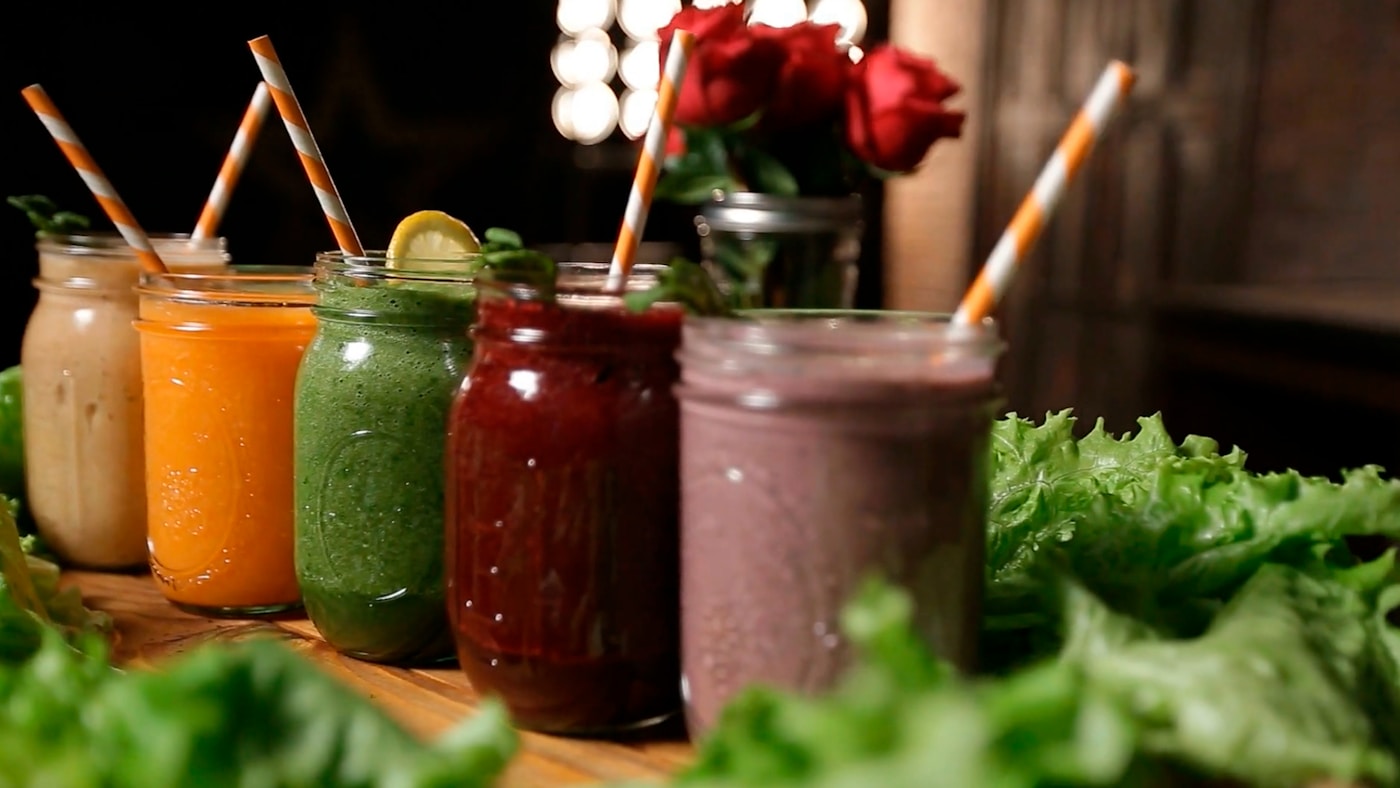
Spirulina
Home/Food & Drink/Best Superfoods in the World
Food & Drink · Best Superfoods in the World

Spirulina

The Original Superfood
#11
World Ranking
0%
of All Votes
0
Total Votes

Blue-green algae with the highest protein content of any plant food. Used by NASA as a space food supplement.
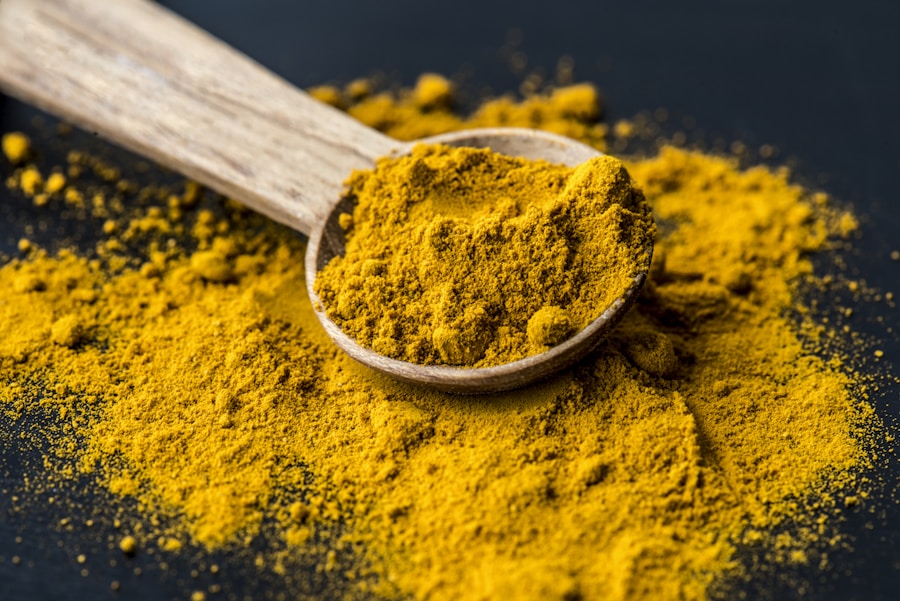
Turmeric history India
3,000
Years of History
History & Origins

Born in Alkaline lakes of Central America, Africa, and Asia

Spirulina was consumed by the Aztecs of Central America and the Kanembu people of Lake Chad in Africa centuries before modern science identified it. The Aztecs harvested it from Lake Texcoco and used it as a primary protein source. It was rediscovered by French scientists in the 1960s studying the traditional diet of the Kanembu people of Chad, who had consumed lake-dried spirulina cakes for generations.

Cultural Significance

For the Kanembu people of Lake Chad, spirulina (called dihe) remains a dietary staple — harvested by women using clay pots, sun-dried into cakes, and crumbled into soups and sauces. It provides a significant portion of daily protein in a region with limited animal protein access. The Aztecs similarly valued spirulina as a portable, concentrated food source for warriors and labourers, sold in dried form at the great markets of Tenochtitlan.

Science-Backed

Properties & Benefits

Complete Protein Source
Spirulina contains all nine essential amino acids with a particularly high concentration of branched-chain amino acids (leucine, isoleucine, valine) that directly stimulate muscle protein synthesis. The protein digestibility is 85-90% — comparable to egg white.
Phycocyanin Antioxidant
Phycocyanin is a biliprotein antioxidant unique to cyanobacteria with no equivalent in any other food. It scavenges hydroxyl radicals and peroxyl radicals with extraordinary potency and has specific anti-inflammatory activity against NF-κB and COX-2 pathways.
Immune Modulation
Immune Modulation
Spirulina polysaccharides activate macrophages, natural killer cells, and T-lymphocytes, enhancing both innate and adaptive immune responses. This immune stimulation also explains why spirulina can be problematic for autoimmune conditions.
Lipid Regulation
Lipid Regulation
Spirulina supplementation consistently reduces total cholesterol, LDL, and triglycerides while raising HDL in clinical trials. The mechanism involves inhibition of intestinal cholesterol absorption and upregulation of LDL receptor expression.
Heavy Metal Chelation
Spirulina's phycocyanin and other polyphenols bind divalent metal cations including lead, mercury, and arsenic, facilitating their excretion. This property has led to clinical use in arsenic poisoning treatment in Bangladesh.
Blood Sugar Regulation
Spirulina reduces fasting blood glucose by 8-13% and glycated haemoglobin (HbA1c) in type 2 diabetic patients in multiple clinical trials, with effects comparable to some oral hypoglycaemic medications.
From Farm to Jar

How Spirulina is Made

Arthrospira platensis (spirulina) · Whole organism (cyanobacterium)
1
Cultivation
Spirulina is grown in large open-air ponds or closed photobioreactors containing alkaline water (pH 9-11) with added nutrients. Paddle wheels circulate the culture continuously to ensure even light exposure and prevent settling.
2
Harvesting
The spirulina culture is harvested by pumping through fine microfilter screens that separate the biomass from the culture water. The harvested paste is approximately 15% dry matter — similar to thick cream.
3
Washing and Pressing
Harvested spirulina paste is washed with fresh water to remove residual salts and culture medium, then pressed to approximately 25% dry matter using mechanical press filters.
4
Drying
Pressing is followed by spray-drying (most common) or freeze-drying. Spray-drying at 150°C inlet temperature is fast and inexpensive but destroys some heat-sensitive compounds. Freeze-drying at -40°C preserves maximum phycocyanin and B vitamins but costs 5-10x more.
Turmeric production process
Nutrition Facts
Serving size: 1 tablespoon spirulina powder (7g)
Phycocyanin (key compound)~1.4g
Calories20 kcal
Carbohydrates1.7g
Protein4g
Fat0.5g
Fiber0.3g
Iron11% DV
Vitamin B12~7mcg (bioavailability debated)
Nutritional Profile

What's Inside?

The key compound in turmeric is curcumin — not the vitamins or minerals. At 60-90mg per teaspoon, you need consistent daily use or supplements to reach therapeutic doses of 500-2000mg. Always combine with black pepper to activate absorption by up to 2,000%.
Key Compound
Curcumin
Therapeutic Dose
500-2000mg/day
Absorption Booster
Black Pepper
Increase
2,000%
In the Kitchen

Recipes with Spirulina

Spirulina Power Smoothie
5 min
Spirulina Power Smoothie
Modern Wellness · 1 serving
Ingredients
1 tsp spirulina powder (3g)
1 frozen banana
150g frozen mango chunks
200ml coconut water
1 tbsp lime juice
1 tsp honey
Method
1
Blend all ingredients until completely smooth.
2
Taste — adjust sweetness if needed.
3
Serve immediately. The colour will be vivid green-blue.
💡 Mango and citrus are essential with spirulina — their sweetness and acidity balance the strong oceanic flavour. Start with half a teaspoon if new to spirulina.
Spirulina Energy Balls
15 min
Spirulina Energy Balls
Modern Wellness · 12 servings
Ingredients
200g Medjool dates, pitted
100g cashews
2 tsp spirulina powder
2 tbsp cacao powder
1 tbsp coconut oil
pinch of sea salt
desiccated coconut for rolling
Method
1
Blend dates, cashews, spirulina, cacao, coconut oil, and salt until a sticky dough forms.
2
Roll into 12 balls using wet hands.
3
Roll in desiccated coconut and refrigerate 30 minutes to firm.
💡 The dates completely mask spirulina's flavour. These energy balls store refrigerated for 2 weeks or frozen for 3 months.
Green Protein Breakfast Bowl
10 min
Green Protein Breakfast Bowl
Modern · 1 serving
Ingredients
200g Greek yogurt
1 tsp spirulina powder
1 tbsp honey
granola, banana, berries, seeds to top
Method
1
Mix spirulina and honey into yogurt until evenly coloured.
2
Top with granola, fresh fruit, and seeds.
3
Serve immediately.
💡 The yogurt completely neutralises spirulina's taste while the honey balances any remaining bitterness. This delivers 25g+ of protein with comprehensive micronutrients.
Honest Assessment

Pros & Cons

Advantages
Highest Protein Density
At 60-70% protein by dry weight with all essential amino acids, spirulina is the most protein-dense natural food on earth. A single tablespoon provides 4g of complete protein at just 20 calories — a protein-to-calorie ratio unmatched by any other food.
Phycocyanin Anti-Inflammatory
Phycocyanin — the blue pigment unique to spirulina — is a potent antioxidant and anti-inflammatory compound that inhibits COX-2 enzymes, neutralises free radicals, and reduces liver inflammation. It is the most bioactive compound in spirulina and gives it its distinctive colour.
Iron and B Vitamins
Spirulina provides highly bioavailable iron (11% DV per tablespoon) and significant B vitamins including riboflavin, thiamine, and niacin — making it particularly valuable for vegetarians and vegans who commonly face deficiencies in these nutrients.
Heavy Metal Detoxification
Multiple clinical trials show spirulina can bind and help excrete heavy metals including arsenic, lead, and mercury. A Bangladesh study found spirulina supplementation reduced chronic arsenic poisoning symptoms by 47%.
Disadvantages
B12 Bioavailability Debated
Spirulina contains vitamin B12 analogues that appear in blood tests but may not be metabolically active. Current consensus is that spirulina cannot be relied upon as a B12 source — vegans must use certified B12 supplements.
Contamination Risk
Open-pond cultivation makes spirulina vulnerable to contamination from heavy metals, pesticides, and microcystin-producing algae. Quality varies enormously between products. Cheap spirulina from unverified sources can cause liver damage.
Flavour Barrier
The strong oceanic flavour prevents many people from consuming therapeutic doses consistently. 5-10g per day is needed for meaningful health benefits — a dose that significantly flavours any food it is added to.
Head-to-Head

Spirulina vs Others

Spirulina
vs
Moringa
Similarity
Both are extraordinarily nutrient-dense green powder supplements used as daily nutritional insurance
Key Difference
Spirulina provides more protein per gram and unique phycocyanin; moringa provides more vitamins A, C, K, and a broader mineral profile
Combine both — spirulina for protein, B vitamins, and iron; moringa for vitamins and minerals. Together they create the most complete plant-based daily supplement available.
Spirulina
vs
Chlorella
Similarity
Both are green algae superfood powders with similar positioning and use cases
Key Difference
Chlorella has a thicker cell wall providing better heavy metal detoxification and contains true B12; spirulina has more protein and phycocyanin
Choose spirulina for daily protein and anti-inflammatory benefits; chlorella for detoxification protocols. Many people use both alternately.
Spirulina
vs
Whey Protein
Similarity
Both are high-protein supplements used to boost daily protein intake
Key Difference
Whey provides more leucine for muscle synthesis and better taste; spirulina provides complete micronutrients, anti-inflammatory compounds, and is vegan
Choose whey for post-workout muscle building if dairy is acceptable; spirulina for whole-food nutrition with protein as a secondary benefit
Important

Warnings & Precautions

🤢
Strong Flavour
Spirulina has a pronounced oceanic, algae-like flavour that most people find unpleasant in large amounts. Starting with 1g and gradually increasing to the therapeutic dose of 5-10g allows the palate to adjust.
💊
Blood Thinners and Immunosuppressants
Spirulina stimulates the immune system and can interact with immunosuppressant medications. People with autoimmune conditions or on immunosuppressive drugs should consult their doctor before use.
⚠️
Contamination Risk
Low-quality spirulina products can be contaminated with heavy metals, microcystins (liver toxins from other algae), or bacteria. Always purchase from certified suppliers with third-party testing for purity and safety.
Surprising Facts

Did You Know?

01
Spirulina is not a plant — it is a cyanobacterium, one of the oldest life forms on Earth, having existed for 3.5 billion years. It produces oxygen through photosynthesis and is believed to have created the oxygen atmosphere that made complex life on Earth possible.
02
Spirulina is 60-70% protein by dry weight — higher than any other natural food source, including meat, eggs, and soy. A single tablespoon provides more complete protein per calorie than a steak.
03
NASA selected spirulina as a primary food for long-duration space missions in the 1980s, concluding that 1kg of spirulina provides the equivalent nutrition of 1,000kg of mixed vegetables.
04
The Aztecs harvested spirulina from Lake Texcoco and sold it as dried cakes called 'tecuitlatl' in the markets of Tenochtitlan — a fact confirmed by Spanish conquistador Bernal Díaz del Castillo in his 1521 chronicles.
05
Spirulina can double its biomass every 2-5 days and produces 200 times more protein per acre than beef cattle, using 1% of the water — making it the most resource-efficient protein source ever identified.
Explore More

Other Superfoods

Avocado
Avocado
2 votes
Turmeric
Turmeric
1 votes
Ginger
Ginger
1 votes
Garlic
Garlic
1 votes
Moringa
Moringa
0 votes
Chia Seeds
Chia Seeds
0 votes
Matcha
Matcha
0 votes
Kale
Kale
0 votes
Name Your Side

Is Spirulina the world's best superfood?

Vote head-to-head against the other 14 superfoods. Live rankings built by real votes from people worldwide.

Vote Now →
Home
Ask
Profile