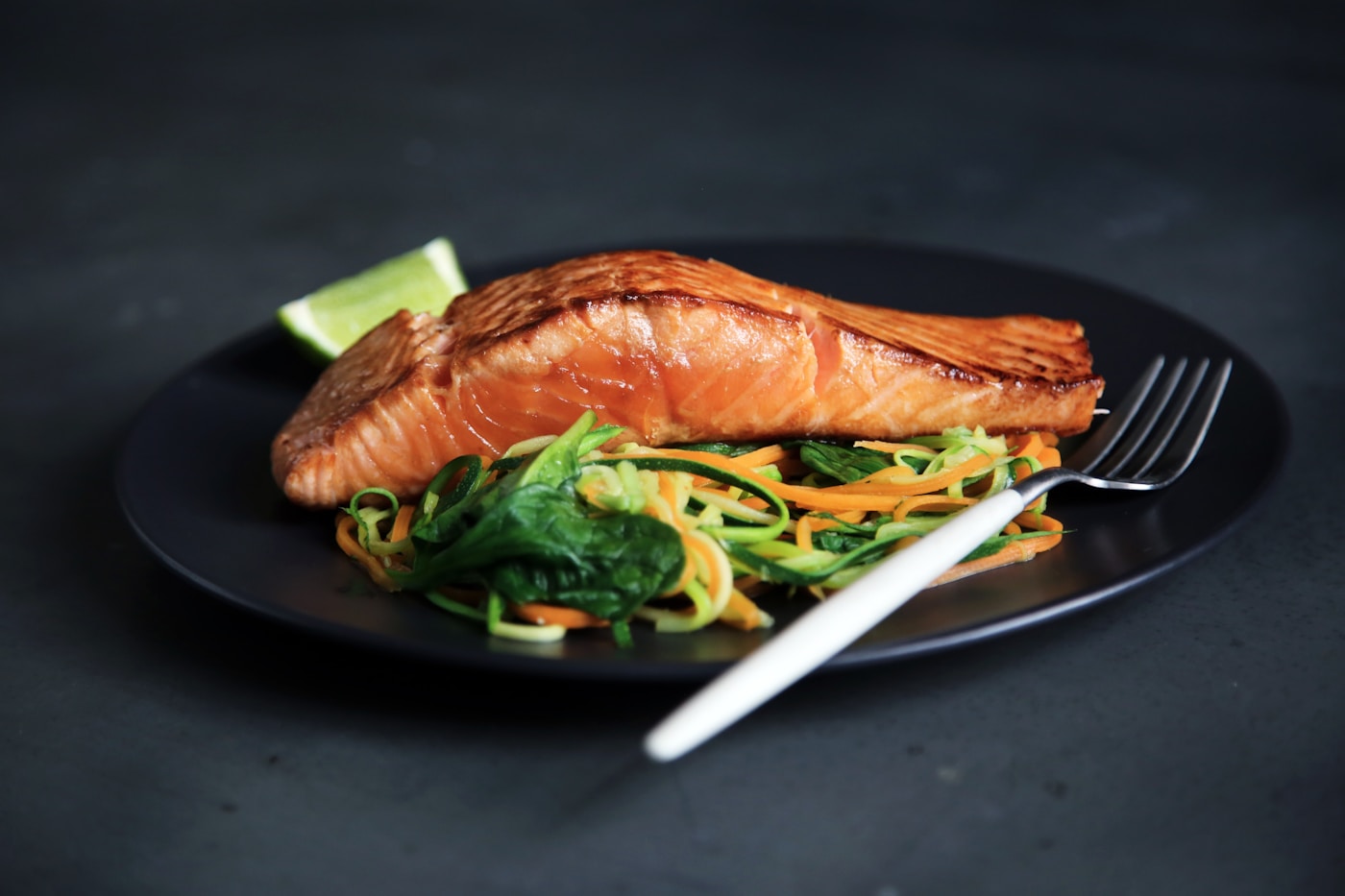
Salmon
Home/Food & Drink/Best Superfoods in the World
Food & Drink · Best Superfoods in the World

Salmon

The Ocean's Brain Food
#10
World Ranking
0%
of All Votes
0
Total Votes

The richest source of omega-3 fatty acids among common foods. Proven to reduce inflammation, improve brain function, and protect the heart.

Turmeric history India
10,000
Years of History
History & Origins

Born in Northern hemisphere — Pacific and Atlantic oceans

Salmon has been a primary food source for coastal and river communities throughout the Northern Hemisphere for at least 10,000 years. Indigenous peoples of the Pacific Northwest built entire civilisations around the salmon run — it was the economic, cultural, and nutritional foundation of their societies. In Europe, salmon was so abundant in medieval rivers that servants' contracts specified they would not be served salmon more than three times per week.

Cultural Significance

For Pacific Northwest Indigenous peoples including the Haida, Tlingit, and Chinook, salmon was not merely food but a sacred being — the Salmon People — who voluntarily sacrificed themselves to feed humans, requiring respectful treatment and return of bones to the river. The annual salmon run determined settlement patterns, trade routes, and population sizes across the entire Pacific Northwest for millennia. In Japan, salmon (sake) holds a central place in cuisine and New Year celebrations.

Science-Backed

Properties & Benefits

Cardiovascular Protection
EPA reduces triglycerides by 15-30%, raises HDL cholesterol, reduces arterial inflammation, and inhibits platelet aggregation. DHA improves arterial elasticity and reduces resting heart rate. Together they reduce cardiovascular disease risk by 25-35% in large population studies.
Brain Development and Protection
DHA is a structural component of brain cell membranes and synapses, constituting 40% of brain polyunsaturated fat. Adequate DHA supports cognitive function, reduces depression risk, and slows age-related cognitive decline.
Anti-Inflammatory
Anti-Inflammatory
EPA is a precursor to resolvins and protectins — specialised lipid mediators that actively resolve inflammation rather than merely suppressing it. This makes omega-3 EPA uniquely valuable compared to conventional anti-inflammatory compounds.
Muscle Protein Synthesis
Salmon's combination of high-quality complete protein and omega-3 fatty acids produces synergistic muscle protein synthesis effects. Omega-3s sensitise muscle tissue to the anabolic effects of protein, improving muscle building efficiency by 50% compared to protein alone.
Astaxanthin Antioxidant
Wild salmon's pink colour comes from astaxanthin — the most potent antioxidant found in nature, 6,000 times stronger than vitamin C. Astaxanthin uniquely protects both fat-soluble and water-soluble cellular compartments simultaneously.
Metabolic Regulation
Omega-3 EPA and DHA improve insulin sensitivity, reduce liver fat accumulation, and activate PPAR-gamma receptors that regulate fat metabolism and glucose homeostasis, making salmon consumption beneficial for metabolic syndrome.
From Farm to Jar

How Salmon is Made

Oncorhynchus (Pacific) / Salmo salar (Atlantic) · Whole fish (muscle flesh)
1
Wild Fishing
Wild salmon are caught by commercial fishing vessels using purse seine nets, gillnets, or trolling lines during the annual salmon run. Pacific wild salmon runs occur from June to November, with different species peaking at different times.
2
Aquaculture
Farmed salmon are raised in open-water sea cages or land-based recirculating aquaculture systems. They are fed pellets containing fish meal, fish oil, and plant proteins, and reach harvest weight of 4-5kg in 18-24 months.
3
Processing
Caught salmon are immediately bled and chilled to 0°C on ice to preserve freshness. They are then filleted, inspected, and either sold fresh (shelf life 3-4 days), frozen (-18°C, shelf life 12 months), or processed into smoked, canned, or cured products.
4
Smoking
For smoked salmon, fillets are dry-cured with salt and sugar for 12-24 hours, then cold-smoked at 25-30°C for 8-24 hours (cold smoked) or hot-smoked at 70-80°C for 2-4 hours. Cold smoking preserves more omega-3s than hot smoking.
Turmeric production process
Nutrition Facts
Serving size: 100g wild Atlantic salmon, cooked
EPA + DHA Omega-3 (key compound)2.3g
Calories208 kcal
Carbohydrates0g
Protein28g
Fat10g
Fiber0g
Vitamin D97% DV
Vitamin B12133% DV
Nutritional Profile

What's Inside?

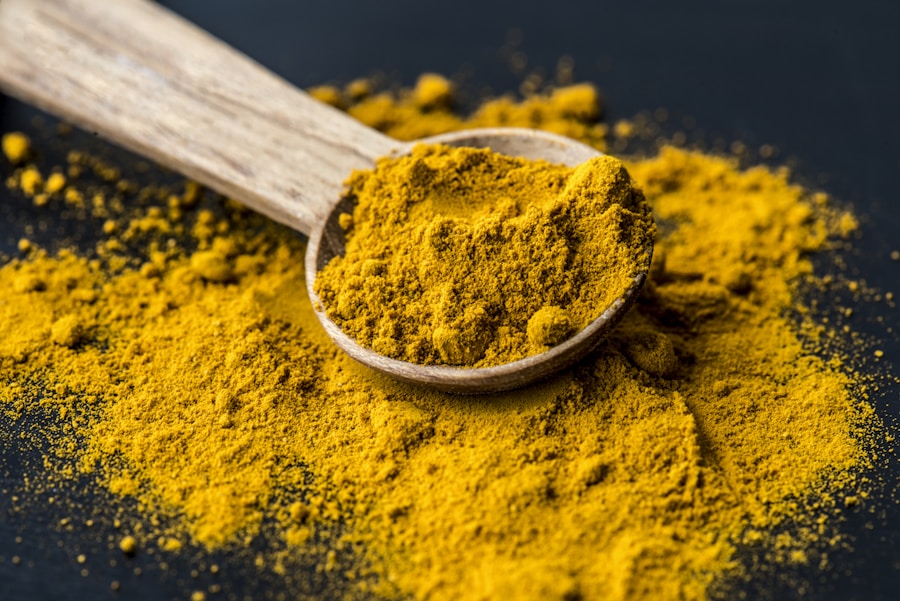
The key compound in turmeric is curcumin — not the vitamins or minerals. At 60-90mg per teaspoon, you need consistent daily use or supplements to reach therapeutic doses of 500-2000mg. Always combine with black pepper to activate absorption by up to 2,000%.
Key Compound
Curcumin
Therapeutic Dose
500-2000mg/day
Absorption Booster
Black Pepper
Increase
2,000%
In the Kitchen

Recipes with Salmon

Simple Pan-Seared Salmon
15 min
Simple Pan-Seared Salmon
Modern · 2 servings
Ingredients
2 salmon fillets (150g each), skin on
1 tbsp olive oil
sea salt and black pepper
1 lemon, sliced
fresh dill or parsley
Method
1
Pat salmon completely dry — moisture prevents proper searing. Season generously.
2
Heat oil in a heavy pan over high heat until shimmering. Place salmon skin-side down.
3
Press gently for 30 seconds to prevent curling. Cook 4 minutes until skin is crispy, then flip and cook 2-3 minutes more.
💡 Start skin-side down and cook 70% of the time on that side. The skin protects the flesh from overcooking and becomes deliciously crispy.
Miso-Glazed Salmon
25 min
Miso-Glazed Salmon
Japan · 2 servings
Ingredients
2 salmon fillets
3 tbsp white miso paste
2 tbsp mirin
1 tbsp sake or dry sherry
1 tbsp honey
1 tsp sesame oil
Method
1
Mix miso, mirin, sake, honey, and sesame oil to a smooth glaze.
2
Coat salmon fillets and marinate minimum 30 minutes (overnight is better).
3
Grill or bake at 200°C for 12-15 minutes until caramelised. Watch carefully — the miso sugars burn quickly.
💡 The miso marinade can be applied up to 3 days ahead. The longer it marinates, the deeper the umami flavour penetration.
Salmon Poke Bowl
20 min
Salmon Poke Bowl
Hawaii · 2 servings
Ingredients
300g sushi-grade salmon, diced
3 tbsp soy sauce
1 tbsp sesame oil
1 tsp sriracha
1 tsp honey
200g sushi rice, cooked
edamame, cucumber, avocado, sesame seeds, nori to serve
Method
1
Mix soy sauce, sesame oil, sriracha, and honey. Toss salmon in marinade and rest 10 minutes.
2
Divide rice between bowls and arrange toppings.
3
Add marinated salmon and finish with sesame seeds and nori.
💡 Use only sushi-grade salmon for raw preparations. The fat marbling of salmon makes it the best raw fish for poke — it stays tender and flavourful.
Honest Assessment

Pros & Cons

Advantages
Highest EPA/DHA Source
Salmon provides 2-3g of EPA and DHA per 100g serving — far more than any other food. EPA and DHA are the biologically active omega-3s that reduce cardiovascular disease risk, inflammation, and cognitive decline directly, without requiring conversion.
Complete High-Quality Protein
At 28g of complete protein per 100g with a PDCAAS (protein digestibility score) of 1.0 — the maximum possible — salmon provides the highest quality protein available, superior in digestibility to most other animal proteins.
Vitamin D Deficiency Solution
Salmon is one of the very few food sources of vitamin D3, providing 97% of daily requirements per serving. Vitamin D deficiency affects over 40% of people globally and is linked to depression, immune dysfunction, and bone disease.
Brain Health
DHA constitutes 40% of the polyunsaturated fat in brain tissue. Regular salmon consumption maintains brain DHA levels, reduces neuroinflammation, and is associated with lower rates of depression, dementia, and cognitive decline in large population studies.
Disadvantages
Environmental Sustainability
Wild salmon populations are under severe pressure from overfishing, habitat loss, and climate change. Farmed salmon has significant environmental issues including sea lice, disease, and feed sustainability. Choosing certified sustainable sources is essential.
Cost
Wild salmon is expensive, particularly outside regions where it is locally caught. The cost barrier means many people cannot consume it at the recommended frequency of 2-3 times per week for therapeutic omega-3 benefits.
Contaminants in Farmed Salmon
Farmed Atlantic salmon consistently shows higher levels of PCBs, dioxins, and other persistent organic pollutants than wild salmon due to concentrated feed. These contaminants accumulate in the fat where the omega-3s reside.
Head-to-Head

Salmon vs Others

Salmon
vs
Walnuts
Similarity
Both provide omega-3 fatty acids with cardiovascular and brain health benefits
Key Difference
Salmon provides EPA and DHA directly; walnuts provide ALA which requires conversion at 5-15% efficiency. Salmon protein is complete; walnuts provide plant protein with fiber
Choose salmon for direct EPA/DHA and complete protein; walnuts for plant-based omega-3 and fiber. Vegans should use algae-based EPA/DHA supplements as a salmon equivalent.
Salmon
vs
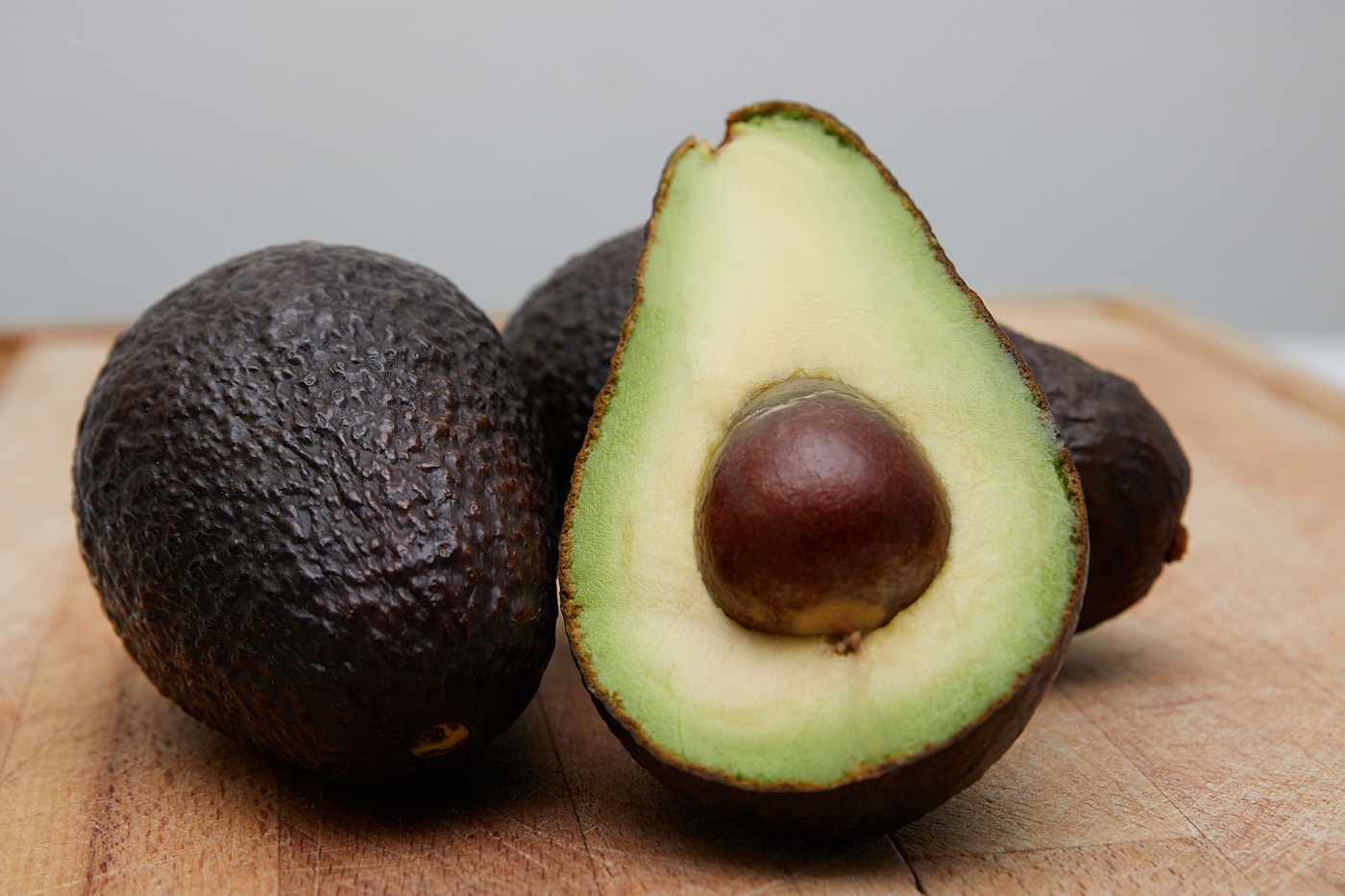
Avocado
Similarity
Both are healthy fat sources with cardiovascular and anti-inflammatory benefits
Key Difference
Salmon provides omega-3 EPA/DHA and complete protein that avocado lacks; avocado provides fiber and is suitable for vegans
Combine them in a meal — their fats are entirely complementary and together provide a complete healthy fat profile
Salmon
vs
Chia Seeds
Similarity
Both provide omega-3 fatty acids with anti-inflammatory benefits
Key Difference
Chia provides ALA omega-3 (requires conversion); salmon provides bioavailable EPA and DHA. Salmon is a complete protein; chia provides fiber and calcium
Choose salmon for direct omega-3 EPA/DHA bioavailability; chia seeds for vegan omega-3 and fiber. For brain and cardiovascular benefits, salmon's omega-3 is significantly more effective.
Important

Warnings & Precautions

🐟
Mercury and Contaminants
Farmed salmon may contain PCBs and dioxins from feed. Wild Pacific salmon has lower contaminant levels than Atlantic farmed salmon. Pregnant women should limit consumption to 2 portions per week of any oily fish.
🤧
Fish Allergy
Fish allergy is one of the most common food allergies and typically persists into adulthood. Salmon allergy can cause severe anaphylactic reactions — anyone with fish allergy must strictly avoid all salmon products.
🦠
Raw Salmon Risk
Raw or undercooked salmon can contain parasites (Anisakis) and bacteria. Sushi-grade salmon has been frozen at -20°C for 7 days to kill parasites. Never eat raw salmon that has not been specifically prepared for raw consumption.
Surprising Facts

Did You Know?

01
Wild salmon gets its pink-orange colour entirely from astaxanthin — a carotenoid antioxidant absorbed from eating krill and algae. Farmed salmon is grey by default and must be fed synthetic astaxanthin to achieve the expected colour.
02
Salmon can navigate back to the exact river — sometimes the exact tributary — where they were born, after years at sea covering thousands of kilometres, using the Earth's magnetic field and the unique chemical signature of their birth river.
03
A 100g serving of wild Atlantic salmon provides more omega-3 EPA and DHA than a full week's worth of most Western diets — making it the single most efficient way to achieve therapeutic omega-3 levels through food alone.
04
Salmon is one of only five foods providing all five major nutrients most commonly deficient in modern populations simultaneously: omega-3 fatty acids, vitamin D, vitamin B12, selenium, and high-quality complete protein.
05
The omega-3 fatty acids in salmon are not made by the fish itself — they originate in microscopic algae, pass through krill, and accumulate in salmon. This is why algae-based omega-3 supplements provide the same EPA and DHA as fish.
Explore More

Other Superfoods

Avocado
Avocado
2 votes
Turmeric
Turmeric
1 votes
Ginger
Ginger
1 votes
Garlic
Garlic
1 votes
Moringa
Moringa
0 votes
Chia Seeds
Chia Seeds
0 votes
Matcha
Matcha
0 votes
Kale
Kale
0 votes
Name Your Side

Is Salmon the world's best superfood?

Vote head-to-head against the other 14 superfoods. Live rankings built by real votes from people worldwide.

Vote Now →
Home
Ask
Profile