Quinoa
Home/Food & Drink/Best Superfoods in the World
Food & Drink · Best Superfoods in the World

Quinoa

The Mother of All Grains
#15
World Ranking
0%
of All Votes
0
Total Votes

The only plant food containing all 9 essential amino acids. Ancient Incan staple called the mother of all grains.
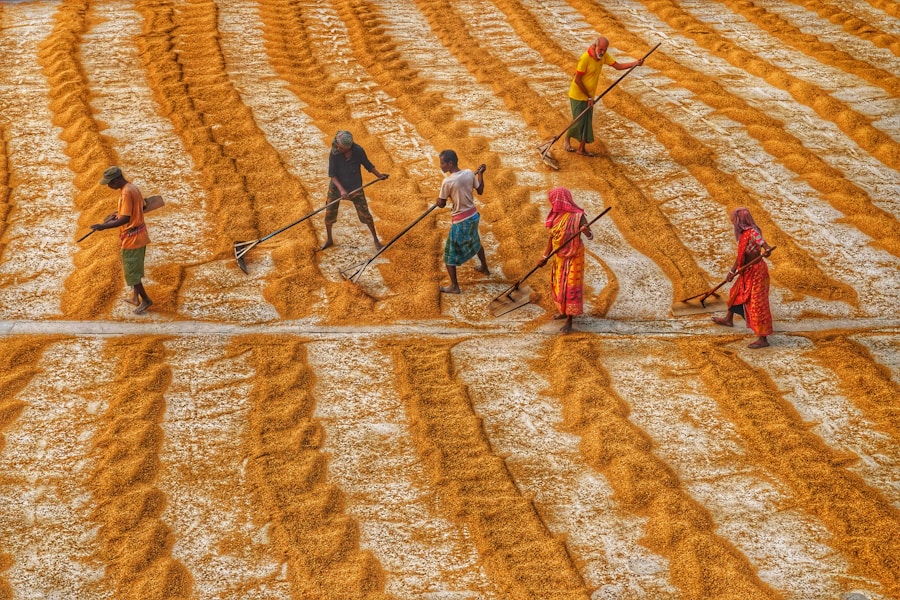
Turmeric history India
7,000
Years of History
History & Origins

Born in Andean region of South America (Bolivia, Peru, Chile)

Quinoa has been cultivated in the Andean highlands for approximately 7,000 years, with the earliest archaeological evidence found near Lake Titicaca on the Bolivia-Peru border. It was a foundational crop of the Inca Empire, providing protein at altitudes where neither meat nor conventional grains grow reliably. After the Spanish conquest suppressed its cultivation, quinoa was largely forgotten outside the Andes until the 1980s health food movement rediscovered it.

Cultural Significance

For the Inca, quinoa was not merely food but a sacred crop tied to religion, government, and identity. The Inca used quinoa in religious ceremonies, as tribute payments, and to feed armies on military campaigns across the Andes. Bolivia and Peru still hold annual quinoa planting ceremonies, and the crop remains a cultural symbol of indigenous Andean identity.

Science-Backed

Properties & Benefits

Complete Amino Acid Profile
Quinoa contains all nine essential amino acids including lysine, methionine, and threonine at levels meeting WHO requirements for complete protein. This is extraordinarily rare in the plant kingdom.
Prebiotic Fiber
Prebiotic Fiber
Quinoa's insoluble and soluble fiber feeds beneficial gut bacteria, particularly Bacteroides and Bifidobacterium species, improving microbiome diversity and reducing intestinal inflammation.
Anti-Inflammatory
Anti-Inflammatory
Quercetin and kaempferol — flavonoids in quinoa — inhibit inflammatory signalling pathways and have shown anti-inflammatory effects comparable to anti-inflammatory drugs in animal studies.
Metabolic Regulation
Quinoa's low glycaemic index, high fiber, and complete protein combine to produce exceptional post-meal blood sugar stability, reducing insulin spikes and improving insulin sensitivity over time.
Bone Support
Bone Support
The combination of manganese, magnesium, and phosphorus in quinoa directly supports bone mineralisation and density — three minerals commonly deficient in plant-based diets.
Antioxidant Protection
Quinoa contains high levels of quercetin and kaempferol — two of the most bioactive antioxidant flavonoids — at concentrations comparable to berries, unusual for a grain-like food.
From Farm to Jar

How Quinoa is Made

Chenopodium quinoa · Seeds
1
Highland Cultivation
Quinoa grows at altitudes of 3,500-4,000m in the Andean altiplano — conditions too harsh for most crops. It tolerates frost, drought, and poor soil, making it one of the world's most resilient food crops.
2
Harvesting
Plants reach 1-2 metres tall and are harvested when seeds are fully mature and the plant begins to dry, typically 5-7 months after planting. Harvesting is done by hand or machine depending on scale.
3
Threshing and Winnowing
Seeds are separated from stalks by threshing (beating against surfaces) and winnowing (tossing in wind to separate chaff). Traditional Andean harvesting still uses centuries-old manual techniques.
4
Saponin Removal
The most critical processing step: saponins are removed by washing seeds in water (wet processing) or by mechanical abrasion (dry processing). Thorough saponin removal is essential for palatability and gut comfort.
Turmeric production process
Nutrition Facts
Serving size: 185g cooked quinoa (1 cup)
Complete Protein8g
Calories222 kcal
Carbohydrates39g
Protein8g
Fat3.5g
Fiber5g
Manganese58% DV
Magnesium30% DV
Nutritional Profile

What's Inside?

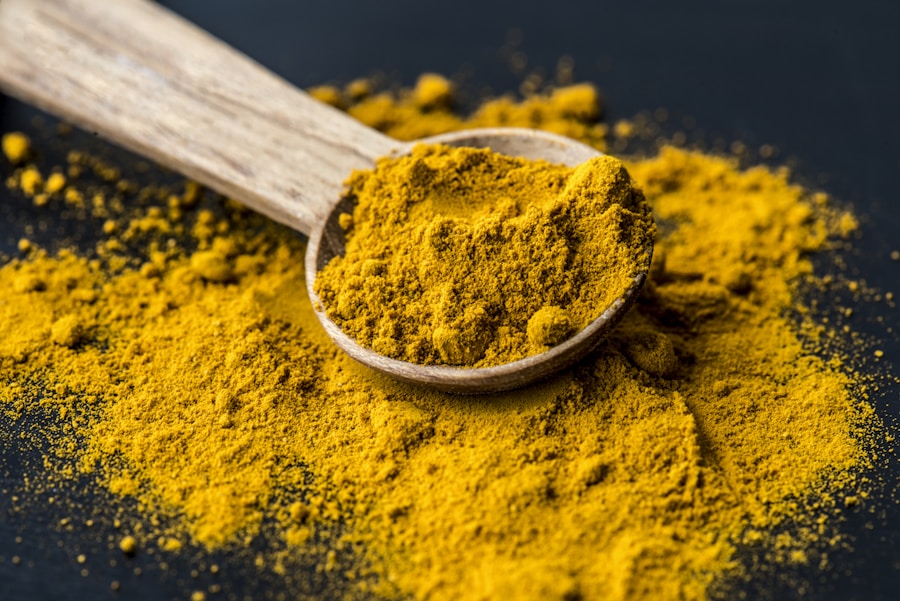
The key compound in turmeric is curcumin — not the vitamins or minerals. At 60-90mg per teaspoon, you need consistent daily use or supplements to reach therapeutic doses of 500-2000mg. Always combine with black pepper to activate absorption by up to 2,000%.
Key Compound
Curcumin
Therapeutic Dose
500-2000mg/day
Absorption Booster
Black Pepper
Increase
2,000%
In the Kitchen

Recipes with Quinoa

Perfect Quinoa (Base Recipe)
20 min
Perfect Quinoa (Base Recipe)
South America · 4 servings
Ingredients
200g quinoa
400ml water or vegetable stock
pinch of sea salt
1 tsp olive oil
Method
1
Rinse quinoa thoroughly under cold water for 1-2 minutes to remove saponins.
2
Combine with water, salt, and oil in a saucepan. Bring to a boil.
3
Reduce to lowest heat, cover, and simmer for 15 minutes. Remove from heat and rest 5 minutes covered. Fluff with a fork.
💡 Using stock instead of water transforms quinoa from bland to flavourful. The 5-minute rest is essential — it allows steam to finish cooking the grains.
Quinoa Tabbouleh
25 min
Quinoa Tabbouleh
Middle East / Modern · 4 servings
Ingredients
200g cooked quinoa (cooled)
large bunch flat-leaf parsley, finely chopped
2 tomatoes, deseeded and diced
1 cucumber, diced
4 spring onions, sliced
juice of 2 lemons
3 tbsp extra virgin olive oil
salt and pepper
Method
1
Combine cooled quinoa with all chopped vegetables in a large bowl.
2
Dress with lemon juice and olive oil. Season generously.
3
Let sit for 15 minutes before serving for flavours to meld.
💡 The parsley should be the dominant ingredient — use far more than feels right. Traditional tabbouleh is a parsley salad with grain, not vice versa.
Quinoa Breakfast Bowl
15 min
Quinoa Breakfast Bowl
Modern Wellness · 1 serving
Ingredients
80g quinoa
200ml milk or plant milk
1 tbsp honey
1 tsp cinnamon
toppings: banana, berries, nuts, seeds
Method
1
Cook quinoa in milk instead of water with honey and cinnamon for 15 minutes.
2
Transfer to a bowl and top with banana, berries, and nuts.
3
Serve immediately while warm.
💡 Quinoa porridge provides twice the protein of oat porridge with a lower glycaemic index — superior fuel for sustained morning energy.
Honest Assessment

Pros & Cons

Advantages
Complete Plant Protein
Quinoa provides all nine essential amino acids including lysine — typically deficient in plant proteins. At 8g of complete protein per cooked cup, it is the gold standard plant protein source for vegetarians and vegans.
Mineral Density
Quinoa is exceptionally rich in manganese (58% DV), magnesium (30% DV), phosphorus (28% DV), and iron (15% DV) per serving — mineral density that surpasses most grains by 2-3 times.
Gluten-Free Grain Alternative
As a naturally gluten-free pseudocereal with grain-like versatility, quinoa allows coeliac patients and gluten-sensitive individuals to enjoy grain-based meals without compromise.
Low Glycaemic Index
Despite being carbohydrate-rich, quinoa has a glycaemic index of 53 — significantly lower than rice (72) or bread (70) — due to its protein and fiber content slowing glucose absorption.
Disadvantages
Calorie Dense for a Vegetable
At 222 calories per cooked cup, quinoa is more calorie-dense than most vegetables. While the calories are nutritionally valuable, portion awareness matters for weight management.
Preparation Required
Quinoa must be rinsed before cooking and has a specific water ratio and timing. Unlike rice cookers, most people need to learn the correct technique to avoid mushy or undercooked results.
Cost
Quinoa costs 3-5 times more per serving than rice, lentils, or oats — the other high-protein plant foods. For budget-conscious eating, lentils provide more protein per pound at a fraction of the cost.
Head-to-Head

Quinoa vs Others

Quinoa
vs
Brown Rice
Similarity
Both are gluten-free whole grain alternatives widely used as meal bases
Key Difference
Quinoa provides 2x more protein, complete amino acids, and more minerals; brown rice provides more carbohydrates at lower cost
Choose quinoa for protein and nutrient density; brown rice for budget cooking and neutral flavour in Asian dishes
Quinoa
vs
Lentils
Similarity
Both are plant-based complete or near-complete protein sources with high fiber
Key Difference
Lentils provide more protein (18g per cup) at lower cost; quinoa cooks faster and has a lighter texture suitable for more dishes
Choose lentils for maximum protein on a budget; quinoa for versatility and faster preparation
Quinoa
vs
Oats
Similarity
Both are whole grain breakfast staples with high fiber and sustained energy release
Key Difference
Oats provide more beta-glucan fiber for cholesterol reduction; quinoa provides complete protein and more minerals
Choose oats for cardiovascular cholesterol benefits; quinoa for complete protein and mineral density. Combining both creates the ideal breakfast.
Important

Warnings & Precautions

⚠️
Saponin Rinsing Essential
Always rinse quinoa thoroughly before cooking to remove the natural saponin coating. Unrinsed quinoa tastes bitter and soapy, and saponins can irritate the gut lining in sensitive individuals.
🌾
Not Gluten-Free by Default
While quinoa itself contains no gluten, most commercial quinoa is processed in facilities handling wheat. Coeliac patients must purchase certified gluten-free quinoa to avoid cross-contamination.
🫘
Oxalate Content
Quinoa contains moderate oxalates which can contribute to kidney stones in susceptible individuals. Those with a history of calcium oxalate kidney stones should moderate consumption.
Surprising Facts

Did You Know?

01
Quinoa is not technically a grain — it is a seed from the Chenopodium plant, related to spinach and beets. It is classified as a pseudocereal, cooked and eaten like a grain but botanically a seed.
02
Quinoa is one of only a handful of plant foods that contains all nine essential amino acids in sufficient quantities to qualify as a complete protein — a property shared with almost no other plant food.
03
NASA studied quinoa in the 1990s as a potential crop for long-duration space missions, concluding it was 'one of the best foods for human nutrition' due to its complete protein, mineral density, and ease of cultivation.
04
The Inca Empire called quinoa 'chisaya mama' — the mother of all grains — and it was so sacred that the Inca emperor ceremonially planted the first quinoa seeds of each season using a golden spade.
05
Quinoa naturally produces saponins — a bitter soap-like coating on its seeds — as a defence against birds and insects. This is why quinoa must be rinsed before cooking, or it tastes unpleasantly bitter.
Explore More

Other Superfoods

Avocado
Avocado
2 votes
Turmeric
Turmeric
1 votes
Ginger
Ginger
1 votes
Garlic
Garlic
1 votes
Moringa
Moringa
0 votes
Chia Seeds
Chia Seeds
0 votes
Matcha
Matcha
0 votes
Kale
Kale
0 votes
Name Your Side

Is Quinoa the world's best superfood?

Vote head-to-head against the other 14 superfoods. Live rankings built by real votes from people worldwide.

Vote Now →
Home
Ask
Profile