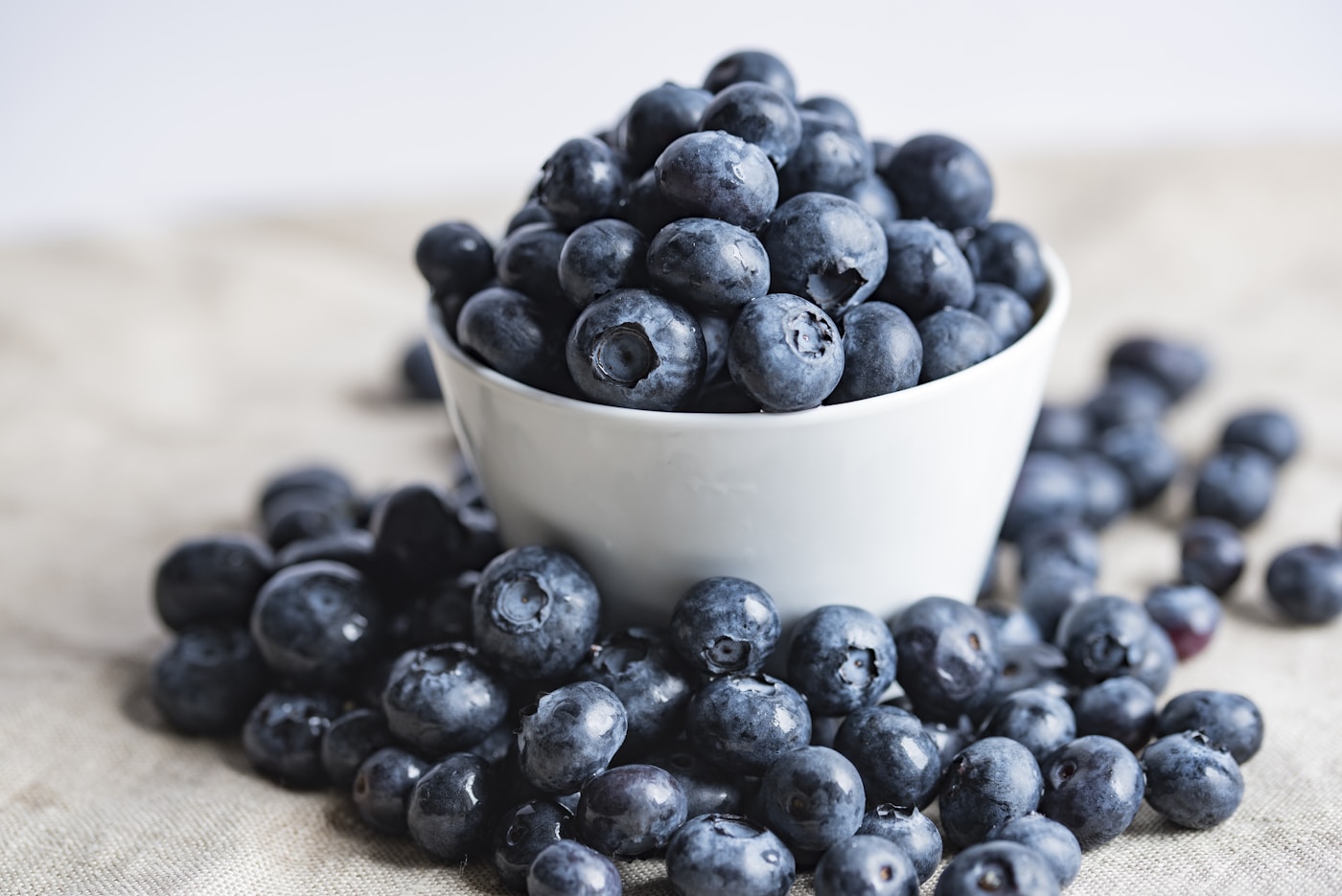
Blueberries
Home/Food & Drink/Best Superfoods in the World
Food & Drink · Best Superfoods in the World

Blueberries

The Memory Berry
#13
World Ranking
0%
of All Votes
0
Total Votes

The most antioxidant-rich fruit in the world. Proven to improve memory, reduce blood pressure, and fight aging.

Turmeric history India
13,000
Years of History
History & Origins

Born in North America

Blueberries have been harvested by Native Americans for over 13,000 years. They were used as food, medicine, and dye — dried into pemmican for winter, brewed into cough medicine, and used to preserve meat. Commercial cultivation only began in New Jersey in 1916 after Elizabeth White and Frederick Coville developed the first cultivated varieties.

Cultural Significance

Native American tribes called blueberries 'star berries' because the five-pointed star at the blossom end resembles the night sky. They were given to children as medicine and carried by warriors for sustained energy. The Cree used blueberry juice to treat coughs, and blueberry soup was given to pregnant women for strength.

Science-Backed

Properties & Benefits

Neuroprotective
Neuroprotective
Anthocyanins cross the blood-brain barrier and directly reduce neuroinflammation, protect neurons from oxidative damage, and improve synaptic plasticity — the mechanism behind memory formation.
Cardioprotective
Cardioprotective
Pterostilbene and anthocyanins reduce LDL oxidation, lower arterial blood pressure, improve endothelial function, and reduce platelet aggregation, collectively reducing cardiovascular disease risk.
Anti-Aging
Anti-Aging
Blueberries activate Nrf2 — the master antioxidant regulator — triggering the body's own antioxidant defence systems. They also activate sirtuin proteins associated with longevity and DNA repair.
Anti-Cancer
Anti-Cancer
Pterostilbene inhibits cancer cell proliferation and induces apoptosis in several cancer lines. Population studies link high berry consumption to reduced colorectal, oral, and breast cancer risk.
Metabolic Health
Metabolic Health
Blueberry polyphenols improve insulin sensitivity, reduce fasting glucose, and increase adiponectin levels — a hormone that regulates fat metabolism and reduces abdominal fat accumulation.
Urinary Tract Protection
Like cranberries, blueberries contain A-type proanthocyanidins that prevent E. coli bacteria from adhering to urinary tract walls, reducing recurrent UTI risk.
From Farm to Jar

How Blueberries is Made

Vaccinium corymbosum (cultivated) / Vaccinium angustifolium (wild) · Berry (fruit)
1
Cultivation
Blueberry bushes require acidic soil (pH 4.5-5.5), full sun, and well-draining conditions. Commercial plants take 3-5 years to produce a full crop and can bear fruit for 50+ years.
2
Pollination
Blueberries require cross-pollination between different varieties. Commercial farms maintain beehives — typically 2-3 hives per acre — during the 3-4 week blooming period in spring.
3
Harvesting
Cultivated blueberries are harvested mechanically between June and August. Wild blueberries grow naturally in eastern Canada and Maine and are harvested by hand or with traditional rakes.
4
Processing
Fresh berries are sorted, washed, and packed immediately. For frozen berries, they are IQF (individually quick frozen) at -30°C within hours of harvest, locking in nutritional content.
Turmeric production process
Nutrition Facts
Serving size: 1 cup fresh blueberries (148g)
Anthocyanins (key compound)163mg
Calories84 kcal
Carbohydrates21g
Protein1.1g
Fat0.5g
Fiber3.6g
Vitamin C24% DV
Vitamin K36% DV
Nutritional Profile

What's Inside?

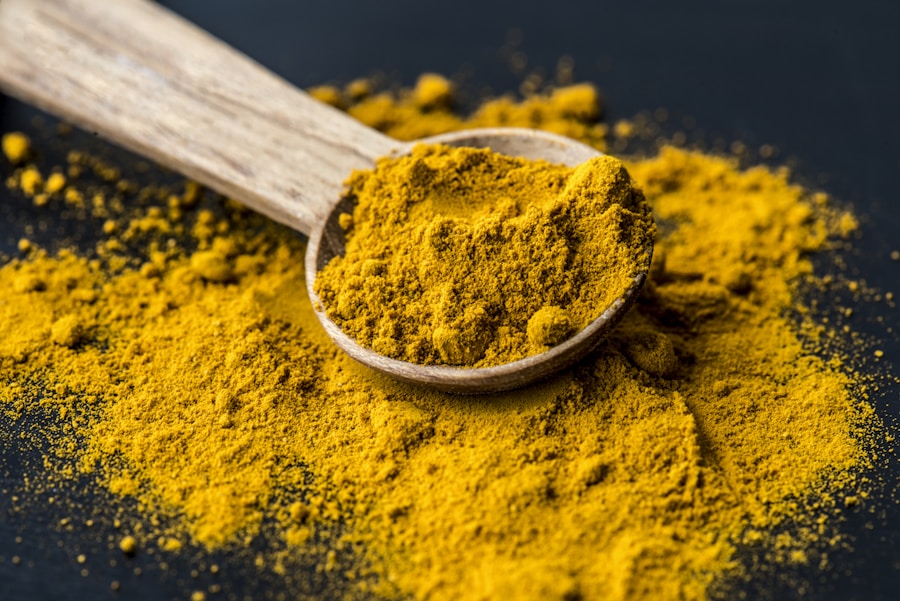
The key compound in turmeric is curcumin — not the vitamins or minerals. At 60-90mg per teaspoon, you need consistent daily use or supplements to reach therapeutic doses of 500-2000mg. Always combine with black pepper to activate absorption by up to 2,000%.
Key Compound
Curcumin
Therapeutic Dose
500-2000mg/day
Absorption Booster
Black Pepper
Increase
2,000%
In the Kitchen

Recipes with Blueberries

Blueberry Overnight Oats
5 min + overnight
Blueberry Overnight Oats
Scandinavia / Modern · 1 serving
Ingredients
80g rolled oats
200ml milk or plant milk
100g fresh blueberries
1 tbsp chia seeds
1 tbsp honey or maple syrup
1 tsp vanilla extract
Method
1
Combine oats, milk, chia seeds, honey, and vanilla in a jar. Stir well.
2
Top with half the blueberries. Seal and refrigerate overnight.
3
In the morning, top with remaining fresh blueberries and serve.
💡 The longer they soak, the creamier the texture. 12 hours is ideal.
Wild Blueberry Smoothie Bowl
5 min
Wild Blueberry Smoothie Bowl
Modern Wellness · 1 serving
Ingredients
150g frozen blueberries
1 frozen banana
60ml almond milk
1 tbsp almond butter
toppings: granola, fresh blueberries, coconut flakes
Method
1
Blend frozen blueberries, banana, and almond milk until thick and smooth.
2
Pour into a bowl — it should be thick enough to hold toppings.
3
Arrange toppings on top and consume immediately.
💡 Use wild frozen blueberries rather than cultivated — double the antioxidants at a fraction of the cost.
Blueberry & Lemon Compote
15 min
Blueberry & Lemon Compote
France · 6 servings
Ingredients
300g fresh or frozen blueberries
2 tbsp honey
zest and juice of 1 lemon
1 tsp vanilla extract
Method
1
Combine all ingredients in a saucepan over medium heat.
2
Cook for 10-12 minutes, stirring occasionally, until blueberries burst and sauce thickens.
3
Cool before using. Keeps refrigerated for 1 week.
💡 Serve over yogurt, porridge, pancakes, or vanilla ice cream. The lemon juice preserves the vibrant colour.
Honest Assessment

Pros & Cons

Advantages
Brain Protection
Anthocyanins cross the blood-brain barrier and accumulate in areas governing memory and learning. Studies show blueberry consumption improves cognitive function in older adults and may delay the onset of Alzheimer's disease.
Cardiovascular Benefits
Regular blueberry consumption reduces LDL oxidation, blood pressure, and arterial stiffness. A major Harvard study found women who ate 3+ servings per week had a 32% lower heart attack risk.
Anti-Aging Effects
Blueberries activate sirtuins — longevity proteins that regulate DNA repair and cellular stress resistance. They also reduce telomere shortening, a direct marker of biological aging.
Exercise Recovery
Anthocyanins reduce exercise-induced muscle damage and inflammation. Athletes consuming blueberries recover strength 10-15% faster than control groups in multiple studies.
Disadvantages
High Sugar Content
A cup of blueberries contains 15g of natural sugar. While the fiber mitigates the impact, those managing blood sugar should track portions carefully.
Pesticide Residues
Non-organic blueberries are frequently tested with high pesticide residues, which may offset some of their health benefits. Organic is recommended but significantly more expensive.
Short Season
Fresh blueberries are only in season for 6-8 weeks in most climates. Frozen blueberries retain 85-95% of their antioxidant content and are the practical year-round choice.
Head-to-Head

Blueberries vs Others

Blueberries
vs
Acai
Similarity
Both are anthocyanin-rich berries with powerful antioxidant profiles
Key Difference
Acai contains more fat and calories; blueberries have more clinical research behind their brain and cardiovascular benefits
Choose blueberries for evidence-based brain and heart health; acai for higher caloric density and tropical flavour
Blueberries
vs
Kale
Similarity
Both are among the most nutrient-dense foods available
Key Difference
Kale provides more vitamins, minerals, and protein per calorie; blueberries provide superior antioxidant protection via anthocyanins
Eat both daily — they provide complementary benefits and together represent the most nutrient-dense breakfast combination possible
Blueberries
vs
Matcha
Similarity
Both provide powerful antioxidants (EGCG in matcha, anthocyanins in blueberries) with brain-protective effects
Key Difference
Matcha provides caffeine and L-theanine for acute cognitive enhancement; blueberries provide long-term neuroprotection
Use matcha for immediate mental focus; blueberries for long-term brain health. Combining them in a smoothie is optimal.
Important

Warnings & Precautions

💊
Blood Thinners
Blueberries contain vitamin K, which can reduce the effectiveness of warfarin (Coumadin). People on anticoagulant therapy should maintain consistent consumption and monitor INR levels.
🩸
Blood Sugar
While blueberries have a low glycaemic index (53), people with diabetes should still monitor portions as a cup contains 21g of carbohydrates.
⚠️
Pesticides
Blueberries consistently appear on the Environmental Working Group's 'Dirty Dozen' list for pesticide residues. Opt for organic or wash thoroughly under running water.
Surprising Facts

Did You Know?

01
Blueberries are one of only three fruits native to North America — alongside cranberries and Concord grapes — and were a staple food of Native Americans for thousands of years before European contact.
02
The blue-purple colour of blueberries comes from anthocyanins — the same compounds responsible for their brain-protective effects. The deeper the colour, the higher the anthocyanin content.
03
A cup of blueberries contains more antioxidants than most other fruits and vegetables combined, according to ORAC (oxygen radical absorbance capacity) measurements.
04
Wild blueberries (Vaccinium angustifolium) contain twice the antioxidants of cultivated blueberries because their smaller size means a higher skin-to-flesh ratio, and the skin is where most anthocyanins reside.
05
NASA chose blueberries as one of the foods studied for protecting astronauts against radiation damage during long space missions, due to their exceptional antioxidant profile.
Explore More

Other Superfoods

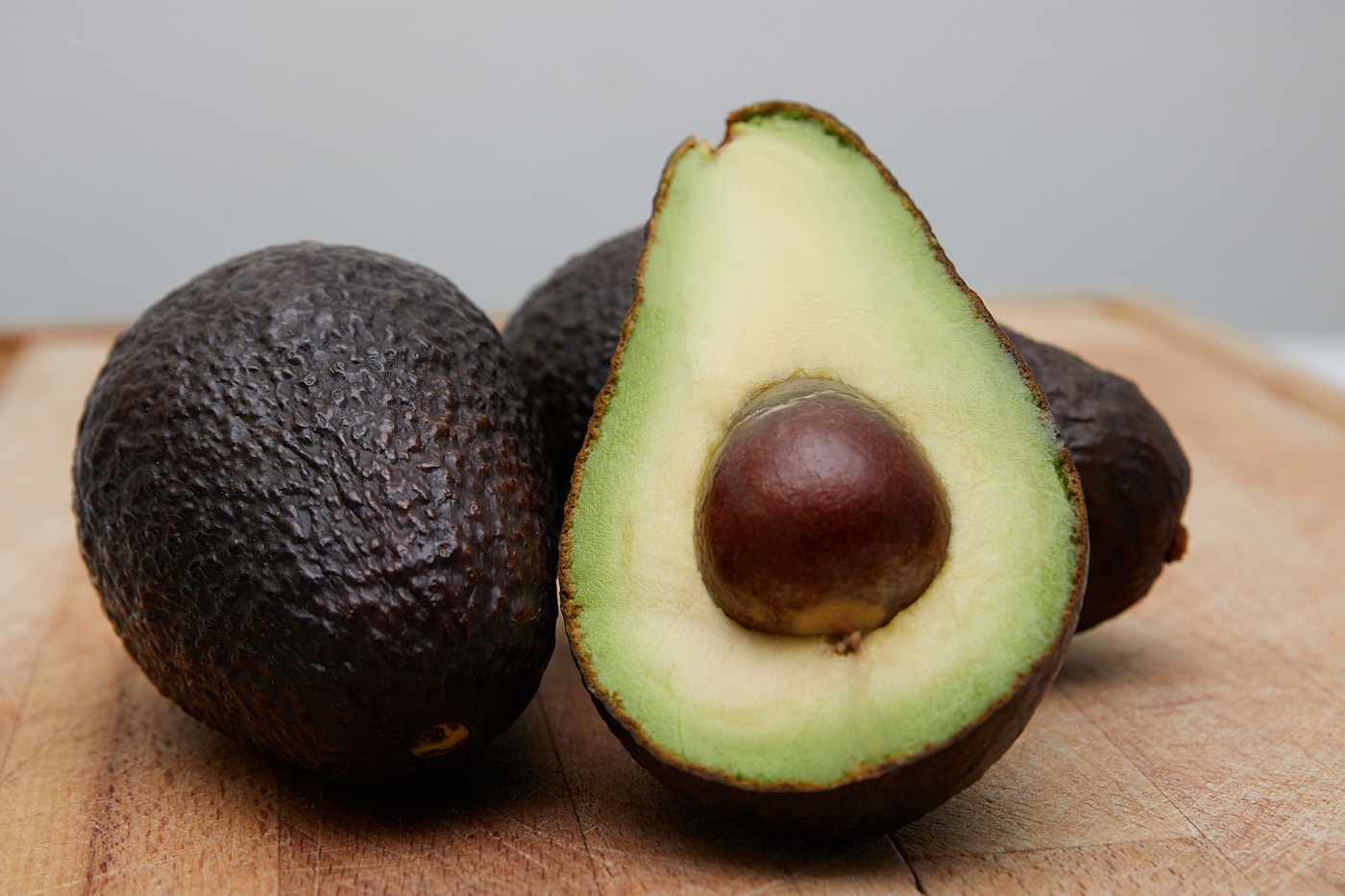
Avocado
Avocado
2 votes
Turmeric
Turmeric
1 votes
Ginger
Ginger
1 votes
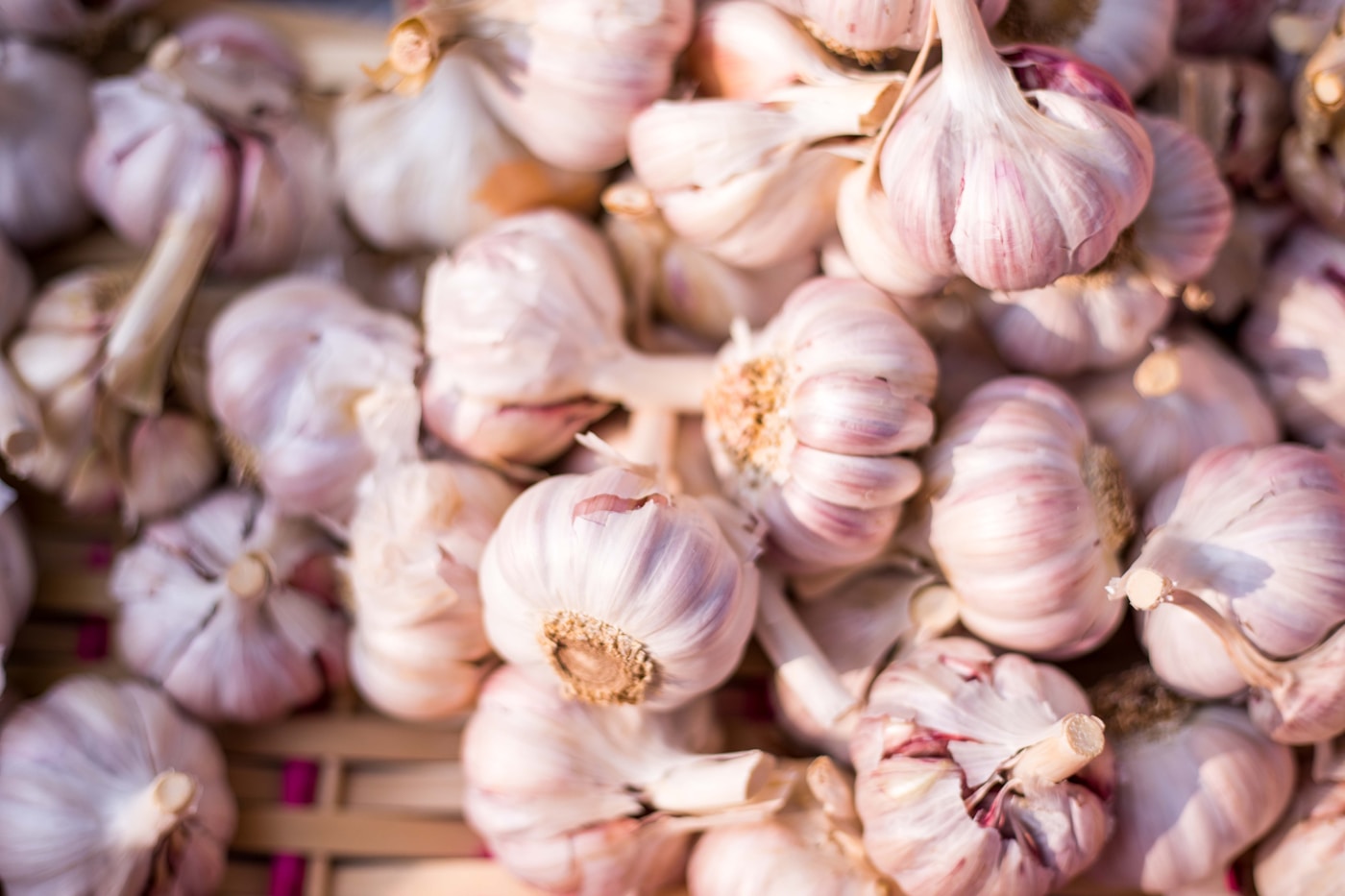
Garlic
Garlic
1 votes
Moringa
Moringa
0 votes
Chia Seeds
Chia Seeds
0 votes
Matcha
Matcha
0 votes
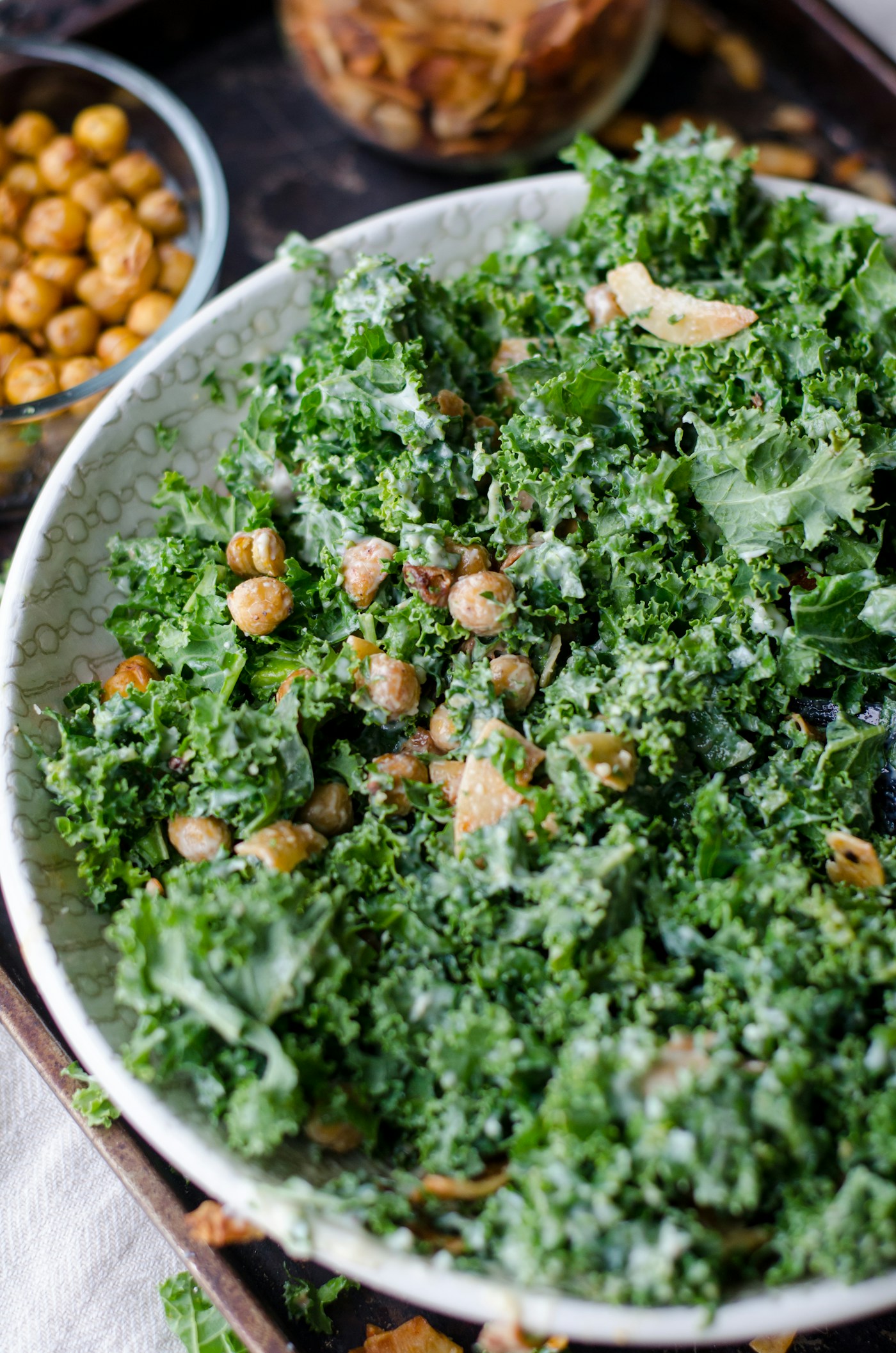
Kale
Kale
0 votes
Name Your Side

Is Blueberries the world's best superfood?

Vote head-to-head against the other 14 superfoods. Live rankings built by real votes from people worldwide.

Vote Now →
Home
Ask
Profile