The acai vs blueberries debate is one of nutrition's most misleading comparisons. On paper, acai wins decisively — its ORAC antioxidant score of 102,700 per 100g dwarfs blueberries' 9,621. That is more than ten times the antioxidant capacity. If antioxidant density were the only measure that mattered, this comparison would be over in one sentence.
But nutrition does not work that way. The ORAC score measures antioxidant capacity in a test tube, not in a human body. Bioavailability, clinical evidence, accessibility and cost are equally important. And on those measures, the comparison looks very different.
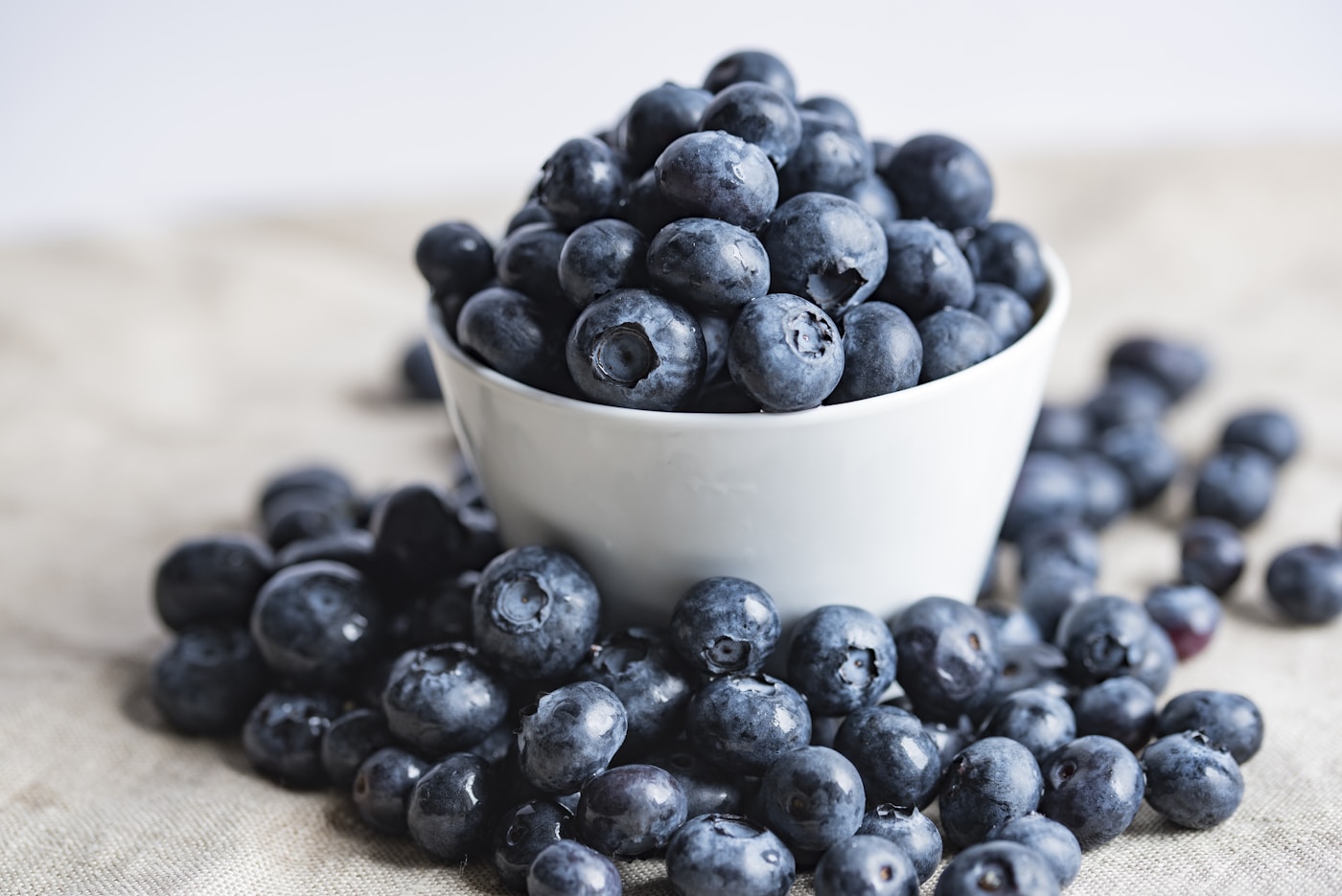
Blueberries have been studied in hundreds of peer-reviewed clinical trials. Their effects on brain health, memory, cardiovascular function and blood pressure are among the most consistently documented of any food. Acai, despite its extraordinary antioxidant profile, has a fraction of that clinical evidence base. Most acai research is laboratory or animal studies — not human trials.
The result is a genuine debate between theoretical superiority and practical evidence. Acai is the more exotic, more concentrated and more expensive option. Blueberries are the more accessible, better researched and more affordable option. This comparison is based on real votes from people worldwide on the Name Your Side global superfood ranking, updated in real time.

The Science in 30 Seconds
Which Berry is Better For You?
Acai or Blueberries: How to Choose
Acai vs Blueberries: At a Glance
Scored 1–10 across 6 key dimensions based on scientific evidence
Acai vs Blueberries: Final Thoughts
The honest answer is that most people should eat blueberries and save acai for occasional use. Blueberries deliver clinically proven brain and cardiovascular benefits at a price almost anyone can sustain daily. Acai delivers extraordinary antioxidant density at a cost that makes daily use impractical for most households.
If budget allows, use both — acai in a weekly smoothie bowl, blueberries in your daily breakfast. The combination covers different antioxidant compounds and different mechanisms of protection.
The 8,000+ votes on Name Your Side lean toward blueberries at 62% — a result that reflects the practical reality of daily nutrition choices rather than laboratory measurements. People vote with their lifestyle, not just their knowledge of ORAC scores.
The real takeaway from this comparison: do not let perfect be the enemy of good. A daily handful of frozen blueberries from your local supermarket will do more for your long-term health than an expensive acai supplement you cannot consistently afford.

