Loading votes...
← Back to ranking
Turmeric
The anti-inflammatory king
VS
Ginger
The digestive powerhouse

Two of the most powerful anti-inflammatory roots on earth. Both have thousands of years of medicinal use. But they work through different mechanisms and excel in different situations.

Turmeric wins on inflammation. Ginger wins on digestion and nausea. Both belong in your kitchen.
Last updated: April 2026
Science-backed · Real votes
Best dealamazon.com
Turmeric
Compare prices now →
Buy →
Best dealamazon.com
Ginger
Compare prices now →
Buy →
In this comparison
NutritionThe ScienceWhich is Better ForHow to ChooseVisual ComparisonThe VerdictFAQ
In this comparison
NutritionThe ScienceWhich is Better ForHow to ChooseVisual ComparisonThe VerdictFAQ

Turmeric and ginger have been used in Ayurvedic and Traditional Chinese Medicine for over 5,000 years. Both are rhizomes — underground stems — from the same plant family. Both are potent anti-inflammatory and antioxidant agents. But the similarities end there.

Turmeric owes its power to curcumin, a polyphenol that gives the root its bright yellow colour and inhibits multiple inflammatory pathways simultaneously. With over 3,000 peer-reviewed studies, curcumin is one of the most researched plant compounds in history. Its challenge is bioavailability — curcumin is poorly absorbed without black pepper extract (piperine), which increases absorption by up to 2,000%.

Ginger derives its potency from gingerols and shogaols — compounds that stimulate digestive enzymes, accelerate gastric emptying and block serotonin receptors in the gut responsible for nausea. Unlike turmeric, ginger requires no absorption enhancer. It works effectively in its natural form, whether as fresh root, dried powder or tea.

This comparison is based on real votes from people worldwide on the Name Your Side global superfood ranking, updated in real time.
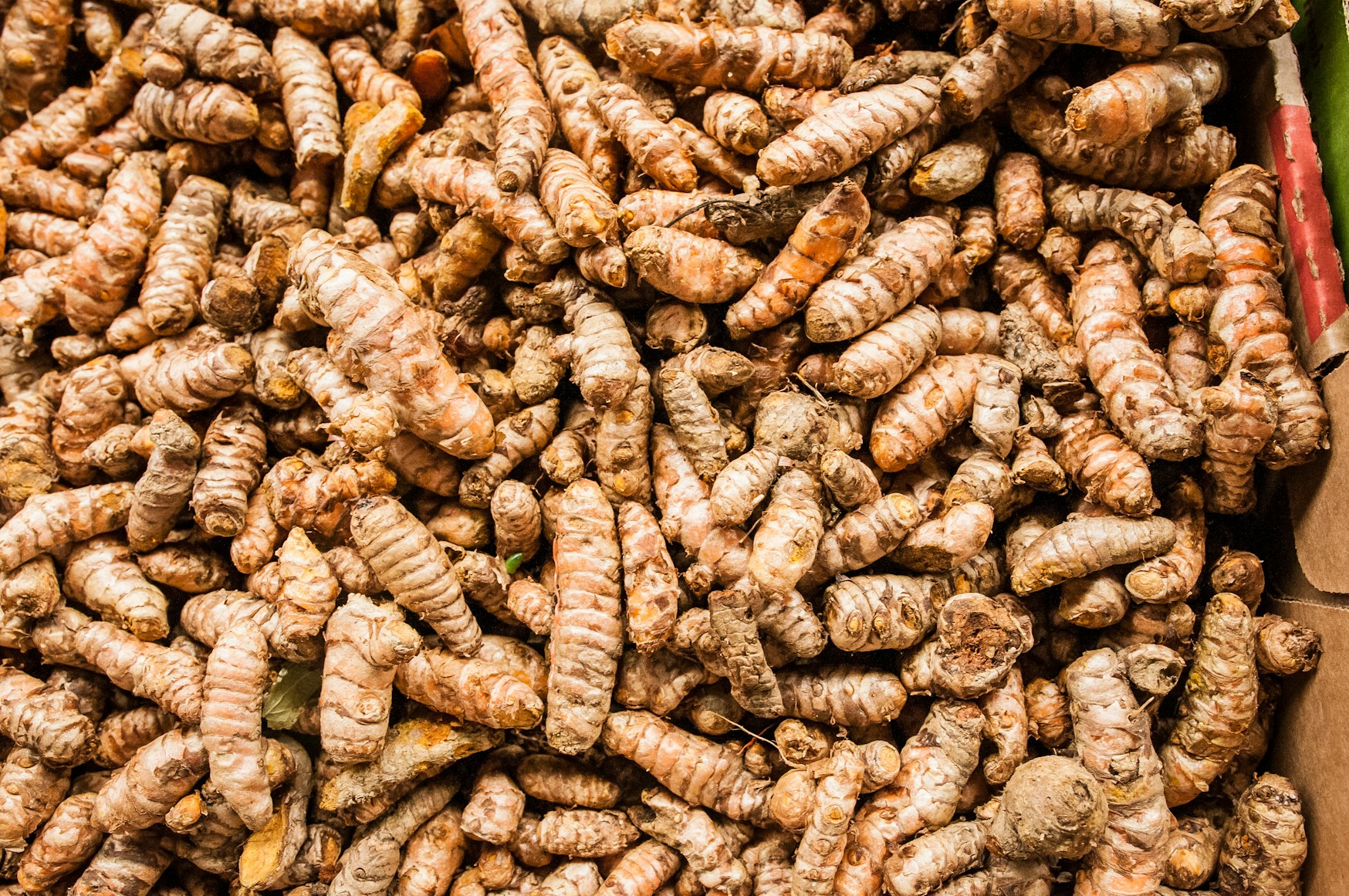
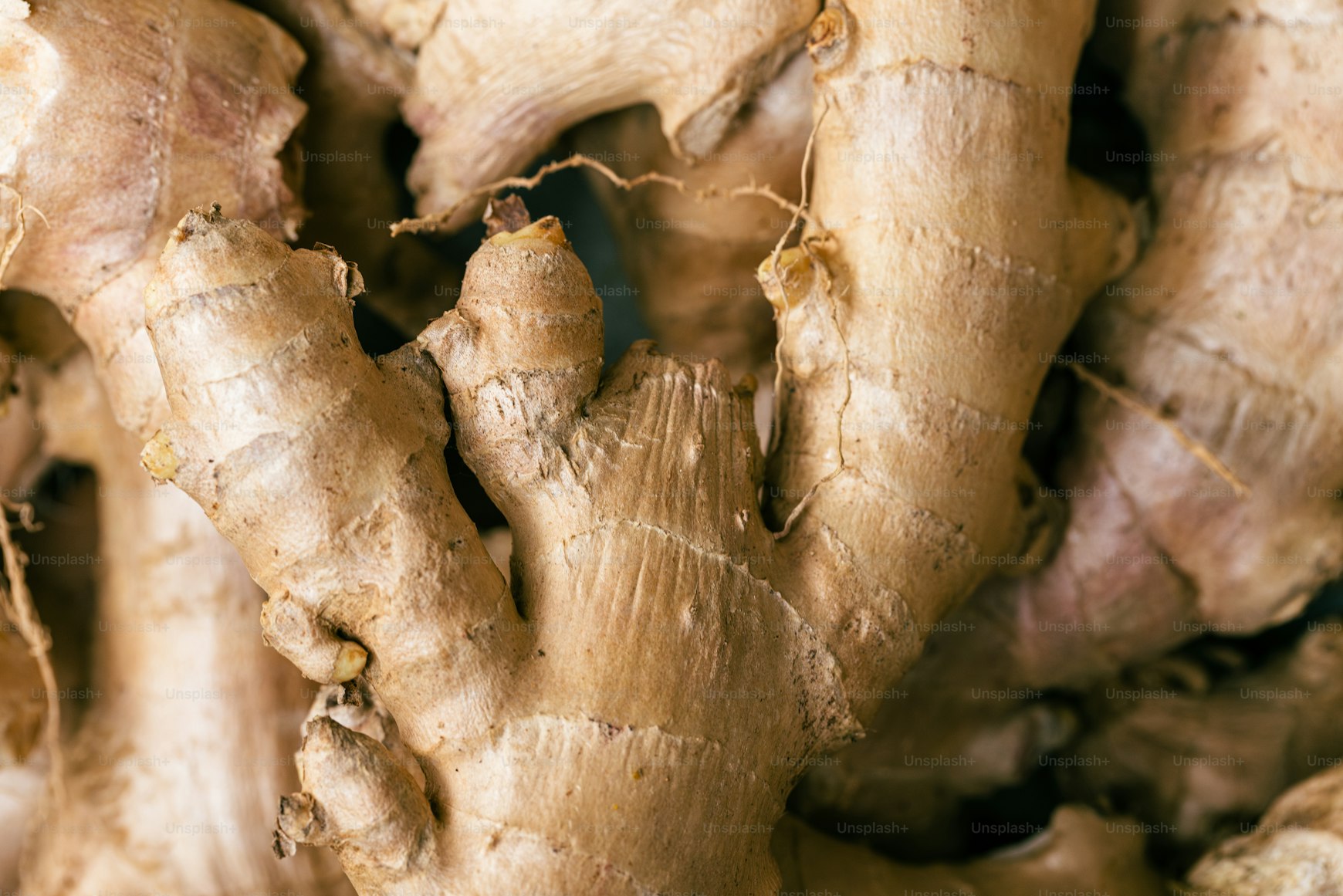
Cast your vote — who wins?
50%0 VOTES · LIVE50%
Turmeric
Turmeric
The anti-inflammatory king
Best forChronic inflammation, joint pain, liver health
OriginSouth Asia, India
TasteEarthy, bitter, slightly peppery
Price$10–25 per month
Ginger
Ginger
The digestive powerhouse
Best forNausea, digestion, morning sickness, motion sickness
OriginSoutheast Asia
TasteSpicy, warm, zingy
Price$8–20 per month
Head to Head

Turmeric vs Ginger: Active Compounds Compared

Nutrient
Turmeric
Ginger
Winner
Active compound
Curcumin (3-5%)
Gingerols & Shogaols
Anti-inflammatory
Very strong
Strong
Antioxidant (ORAC)
127,068
28,811
Digestive benefit
Moderate
Excellent
Nausea relief
None
Clinically proven
Joint pain relief
Clinically proven
Moderate
Bioavailability
Poor alone, needs piperine
Good naturally
Calories (per 10g)
35 kcal
33 kcal
Vitamin C
3% DV
4% DV
Iron
16% DV
2% DV
Magnesium
10% DV
5% DV
Blood sugar
Moderate benefit
Strong benefit
Peer-reviewed research

The Science in 30 Seconds

2009
Study
University of Arizona
Journal of Alternative and Complementary Medicine
Curcumin in turmeric inhibited COX-2 enzyme activity comparable to ibuprofen at equivalent doses — establishing turmeric as a clinically significant anti-inflammatory.
2015
Study
University of Georgia
Journal of Pain
Ginger supplementation reduced muscle pain after eccentric exercise by 25% compared to placebo — with effects appearing within 24 hours of consumption.
2019
Study
King's College London
BMJ Open
Combined turmeric and ginger supplementation reduced inflammatory markers CRP and IL-6 more effectively than either alone in adults with metabolic syndrome.
By Use Case

Which is Better For You?

For Inflammation
turmeric
Curcumin inhibits NF-κB, COX-2 and multiple inflammatory pathways simultaneously. Over 3,000 peer-reviewed studies document its anti-inflammatory effects. For chronic inflammation, arthritis, and inflammatory conditions, turmeric has no plant-based equal.
For Digestion
ginger
Gingerols and shogaols stimulate digestive enzyme production, accelerate gastric emptying and reduce intestinal cramping. Clinical trials show ginger reduces bloating, gas and indigestion more effectively than turmeric in head-to-head comparisons.
For Nausea
ginger
Ginger is the only plant remedy with consistent clinical evidence for nausea — including morning sickness, chemotherapy-induced nausea and motion sickness. Multiple systematic reviews confirm its efficacy. Turmeric has no significant anti-nausea evidence.
For Joint Pain
turmeric
Multiple randomised controlled trials show curcumin reduces joint pain and stiffness in osteoarthritis as effectively as ibuprofen in some studies — without gastrointestinal side effects. Ginger also helps but the evidence base for turmeric is stronger.
For Athletes
turmeric
Curcumin reduces delayed onset muscle soreness (DOMS) after exercise in clinical trials. Athletes taking 1.5-2g daily report faster recovery and reduced post-exercise inflammation. Ginger also reduces muscle pain but with less consistent evidence.
For Everyday Use
ginger
Ginger is easier to incorporate into daily food and drink — tea, cooking, smoothies. Its bioavailability is naturally good. Turmeric requires black pepper (piperine) to absorb properly, adding a step that many people forget.
How to choose

Turmeric or Ginger: How to Choose

Choose Turmeric
if any of these apply to you
You have chronic inflammation or arthritis
You exercise regularly and want faster recovery
You have joint or muscle pain
You want the strongest antioxidant protection
You are managing inflammatory conditions
Choose Ginger
if any of these apply to you
You experience nausea, morning sickness or motion sickness
You have digestive issues — bloating, gas, indigestion
You want an easy addition to daily cooking
You prefer something with natural bioavailability
You want to support healthy blood sugar levels
Use both if...
You want comprehensive anti-inflammatory and digestive support
You train regularly and want both recovery and gut health
You want the most complete natural wellness foundation
Visual comparison

Turmeric vs Ginger: At a Glance

Scored 1–10 across 6 key dimensions based on scientific evidence

Protein
Grams of complete protein per 10g serving. 10 = 6g+ complete protein with all essential amino acids.
2
Turmeric
2
Ginger
Antioxidants
ORAC score and antioxidant compound density. 10 = exceptional free radical protection.
9
Turmeric
7
Ginger
Bioavailability
How well your body actually absorbs the nutrients. 10 = highly bioavailable with no preparation needed.
5
Turmeric
8
Ginger
Evidence
Number and quality of peer-reviewed clinical trials. 10 = 100+ RCTs with consistent human evidence.
9
Turmeric
8
Ginger
Cost Value
Nutritional benefit per euro spent per month. 10 = exceptional value.
8
Turmeric
9
Ginger
Versatility
Ease of daily use and number of ways to consume. 10 = can be added to any food or drink.
8
Turmeric
9
Ginger
The Verdict

Turmeric vs Ginger: The Verdict

Turmeric is the superior anti-inflammatory and antioxidant agent with the strongest clinical evidence base of any plant compound. Ginger is the superior digestive and anti-nausea remedy with immediate, reliable effects. For chronic inflammation and joint pain — choose turmeric with black pepper. For nausea, digestion and acute gut issues — choose ginger. For comprehensive wellness — use both daily.

Loading results...

Turmeric vs Ginger: Final Thoughts

Turmeric and ginger represent two different philosophies of natural wellness. Turmeric is the long-term anti-inflammatory intervention — best used consistently over weeks and months for chronic conditions, post-exercise recovery and systemic inflammation. Ginger is the immediate solution — effective within hours for nausea, digestive discomfort and acute gut issues.

For most people, the practical answer is to use both. A golden milk with turmeric before bed and ginger tea in the morning covers both bases with minimal effort. The combination is used extensively in Ayurvedic medicine precisely because the two roots complement rather than duplicate each other.

The absorption issue with turmeric deserves special mention — always combine it with black pepper. Without piperine, most of the curcumin you consume passes through unabsorbed. A pinch of black pepper in your turmeric preparation is not optional; it is essential.

The votes on Name Your Side lean toward turmeric at 71% — reflecting its stronger evidence base and broader awareness in the wellness community. But for anyone dealing with nausea or digestive issues, ginger is the more immediately effective choice.

FAQ

Turmeric vs Ginger: Common Questions

Is turmeric or ginger better for inflammation?

Turmeric is significantly more powerful for inflammation. Curcumin inhibits multiple inflammatory pathways and has over 3,000 clinical studies supporting its anti-inflammatory effects. Ginger also reduces inflammation but with a weaker evidence base and less potent mechanism.

Can you take turmeric and ginger together?

Yes — they are completely safe to combine and work synergistically. Many traditional Ayurvedic formulations use both together. A common combination is turmeric with black pepper and ginger in golden milk or tea. Always add black pepper with turmeric to improve curcumin absorption by up to 2,000%.

Which is better for nausea?

Ginger is significantly better for nausea. Multiple systematic reviews confirm ginger reduces nausea from morning sickness, motion sickness and chemotherapy. It is one of the few natural remedies with consistent clinical evidence for nausea relief. Turmeric has no significant anti-nausea effects.

Does turmeric need black pepper?

Yes — always. Curcumin in turmeric has very poor bioavailability on its own. Piperine in black pepper increases curcumin absorption by up to 2,000%. Without black pepper, most of the curcumin you consume passes through unabsorbed. Even a small pinch is sufficient.

Which is better for weight loss?

Both have modest weight management benefits. Turmeric improves insulin sensitivity and reduces inflammatory markers associated with obesity. Ginger increases thermogenesis and reduces appetite in some studies. Neither is a significant weight loss supplement, but both support metabolic health as part of a balanced diet.
Explore in depth
Turmeric
Turmeric
Full profile, nutrition & recipes
Ginger
Ginger
Full profile, nutrition & recipes
More comparisons
Name Your Side — Live Rankings
Join ... people ranking the world's best superfoods
Real votes. No algorithms. No editors. Just the world deciding together.
...
Real votes
27+
Superfoods
Live
Right now
Vote now — it takes 5 seconds →
Home
Ask
Profile