Spirulina and moringa are the two most nutrient-dense plant foods ever documented. Both are sold as green powder supplements. Both are used daily by athletes, vegans, and health-conscious consumers worldwide. But they are fundamentally different organisms with different nutritional profiles, different mechanisms of action, and different ideal users.
Spirulina is a cyanobacterium — a photosynthetic microorganism that grows in alkaline lakes. Per gram, it contains more protein than beef. It contains phycocyanin, a blue pigment and antioxidant found in no other food source on earth, which reduces exercise-induced oxidative stress and improves endurance performance in peer-reviewed clinical trials. A 2010 study published in Medicine and Science in Sports and Exercise found that spirulina supplementation significantly reduced muscle damage markers in athletes after exhaustive exercise.
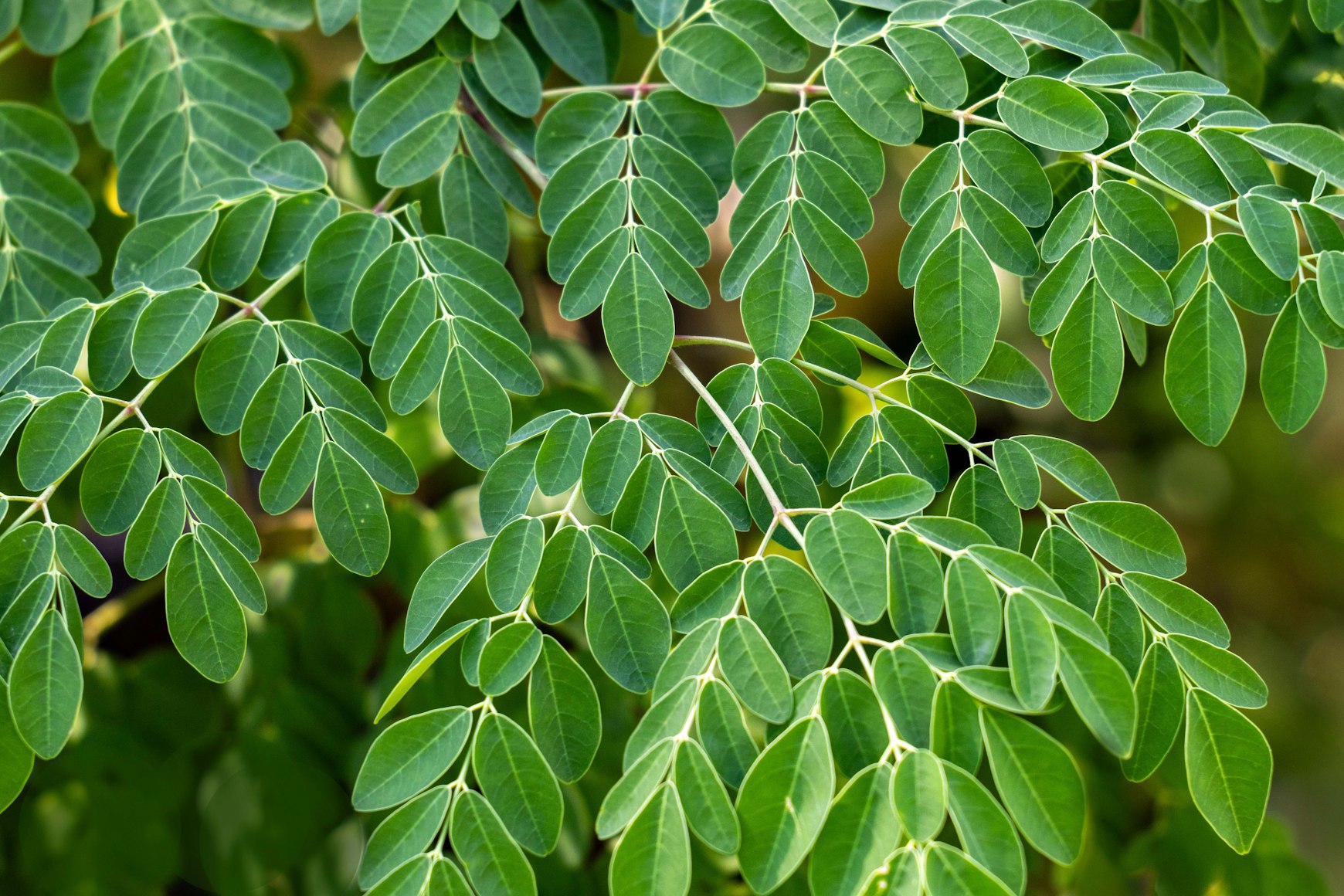
Moringa is a tree. Its leaves contain 47% of the daily recommended intake of vitamin A per 10g serving, along with significant amounts of vitamin C, vitamin K, iron, and calcium. Every part of the tree is edible. It grows in drought conditions that would kill most crops. In sub-Saharan Africa and South Asia, UNICEF and WHO distribute moringa leaf powder as a malnutrition intervention for children and pregnant women.
The question is not which one is better. The question is which one is better for you — and for what purpose. This comparison is based on real votes cast by people worldwide on the Name Your Side global superfood ranking, updated in real time.

The Science in 30 Seconds
Which is Better For You?
Spirulina or Moringa: How to Choose
Spirulina vs Moringa: At a Glance
Scored 1–10 across 6 key dimensions based on scientific evidence
Spirulina vs Moringa: Final Thoughts
The honest answer is that spirulina and moringa solve different problems. Spirulina is a performance supplement — its protein density and phycocyanin content make it the most evidence-backed plant supplement for athletes and people under physical stress. Moringa is a nutritional insurance policy — its comprehensive vitamin and mineral profile fills gaps that most diets leave open, particularly for people eating plant-based diets or living in regions with limited food diversity.
If you train regularly, spirulina belongs in your morning smoothie. If you want to cover your micronutrient bases without a cabinet full of individual supplements, moringa is the more practical and affordable choice. If your budget allows, use half a teaspoon of each daily — the combination provides what no single food source can match.
Both are available as certified organic powders. Both dissolve in smoothies, soups, and warm drinks. Neither requires refrigeration. The only real barrier is taste — spirulina more so than moringa — and that adapts within two to three weeks of daily use.
The people who have voted on this comparison through Name Your Side lean toward spirulina — a split that reflects the genuine equivalence of two superfoods that happen to excel in different areas. The right answer depends entirely on what you are asking the supplement to do.
