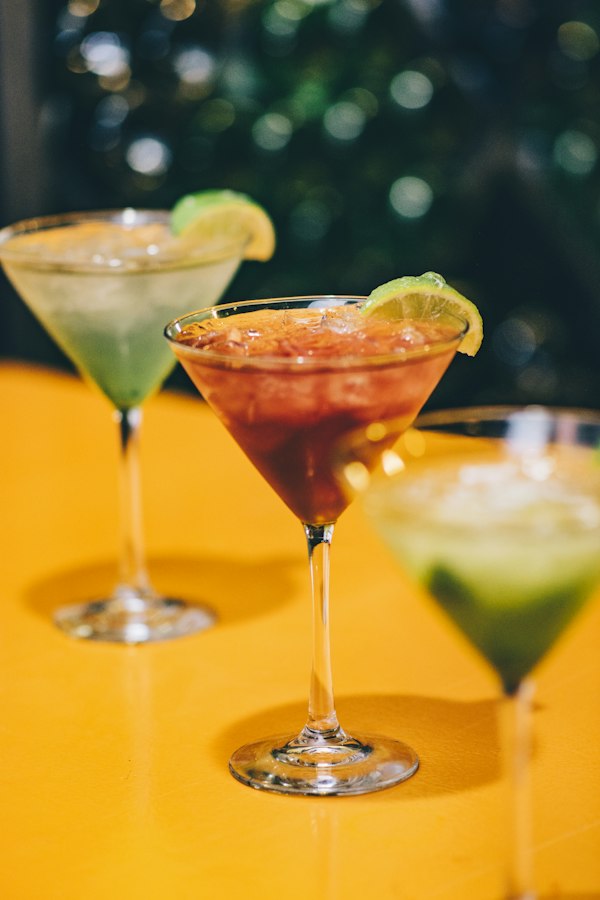
Coffee, tea, water, wine, beer, a fresh juice, or a perfectly made cocktail — what you drink is one of the most personal and culturally loaded choices you make every day. This ranking brings together real votes from people worldwide who have strong opinions about which drink genuinely deserves to be considered the best. No brand sponsorships, no café partnerships...
🥤 Drink Curiosidades
The most surprising facts about the drinks the world consumes every day.
Coffee: The World Most Traded Commodity
Coffee is the second most traded commodity in the world after oil, with over 2.25 billion cups consumed every single day. The word coffee comes from the Arabic word qahwa, which originally referred to wine. Ethiopia is the birthplace of coffee — according to legend, a goat herder named Kaldi noticed his goats dancing after eating berries from a certain tree and brought the discovery to a local monastery. Finland consumes more coffee per capita than any other nation — the average Finn drinks 12 kilograms of coffee per year. Espresso was invented in Italy in 1901, when Luigi Bezzera patented a machine that forced hot water through coffee grounds under pressure.
Tea: 5,000 Years of History in a Cup
Tea is the most consumed beverage in the world after water, with over 3 billion cups drunk every day. It was discovered in China approximately 5,000 years ago, according to legend when leaves fell into a cup of hot water being prepared for Emperor Shen Nong. All true teas — black, green, white, oolong — come from the same plant, Camellia sinensis. The difference is in how the leaves are processed. Turkey is the world largest per capita consumer of tea, drinking an average of 3.16 kilograms per person per year. The Boston Tea Party of 1773, in which American colonists dumped 342 chests of British tea into Boston Harbour, became one of the events that triggered the American Revolution.
Wine: The Ancient Drink That Built Civilisations
Wine is one of the oldest beverages in human history, with evidence of winemaking dating back 8,000 years to Georgia in the Caucasus region. The Romans were so dependent on wine that soldiers were partially paid in it — the word salary comes from the Latin salarium, meaning salt ration, but wine was equally central to military life. France produces more wine by value than any other country, though Italy and Spain produce more by volume. The world most expensive bottle of wine ever sold was a 1945 Romanée-Conti, which fetched $558,000 at auction in 2018. Champagne can only legally be called Champagne if it comes from the Champagne region of France — everything else is sparkling wine.
Water: The Most Essential and Undervalued Drink
The human body is approximately 60% water, and losing just 2% of body water can impair cognitive performance and physical endurance. The average person needs to consume about 2 litres of water per day, though much of this comes from food. The global bottled water market is worth over $300 billion annually — a remarkable figure given that tap water in most developed countries is safer and more strictly regulated than bottled water. Ancient Romans built an elaborate system of aqueducts that delivered clean water to cities across their empire — some of these structures are still standing and functional 2,000 years later. Less than 3% of the Earth water is fresh water, and of that, two thirds is frozen in glaciers.
Beer, Whiskey and Spirits: The History of Alcohol
Beer is the oldest and most widely consumed alcoholic drink in the world, with evidence of brewing dating back 7,000 years to ancient Mesopotamia. The Reinheitsgebot — the German Beer Purity Law — enacted in 1516 is one of the oldest food safety regulations still in existence, originally stipulating that beer could only be made from water, barley and hops. Whiskey takes its name from the Irish and Scottish Gaelic uisce beatha, meaning water of life. Scotland has over 130 operational whisky distilleries, producing a spirit that generates over £5 billion in exports annually. Champagne was accidentally invented by a French monk named Dom Perignon in the 17th century when secondary fermentation caused carbonation in bottles he thought had been sealed incorrectly.